_(14502759275).jpg&width=800)





Wool Sower Gall Wasp
Callirhytis seminator
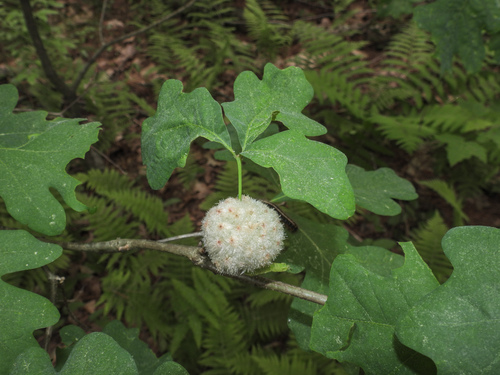
The Wool Sower Gall Wasp is a tiny insect that creates special round galls on oak trees. These galls look like little fuzzy balls and are homes for the wasp's babies!
Habitat: Forests
The Wool Sower Gall Wasp is a very tiny, dark-bodied insect, typically black or dark brown. It has delicate, clear wings that help it move between oak trees. Its small size, often just a few millimeters, makes it easily overlooked.
Category
InsectsRarity
Common
Danger
1/5 · Very low
Snaps
36
Inside the gall are many tiny chambers, each holding a developing wasp larva.
The 'wool' of the gall is actually part of the oak tree!
These fuzzy galls look like cotton balls growing right on oak tree branches!
When fully grown, the tiny adult wasps chew their way out of the gall.
Wool Sower Gall Wasp can cleverly manipulate oak tree growth to create a protective, woolly nursery for its young larvae.
Wool Sower Gall Wasp has special chemicals that trick oak trees into growing unique galls, providing shelter and food.
Wool Sower Gall Wasp can precisely lay eggs within oak buds, triggering the formation of its distinctive woolly home.
Adults might sip nectar, but the larvae eat juicy plant tissue from inside their cozy gall.
Age differences: Adult wasps may briefly feed on nectar, while larvae consume specific oak tissues.
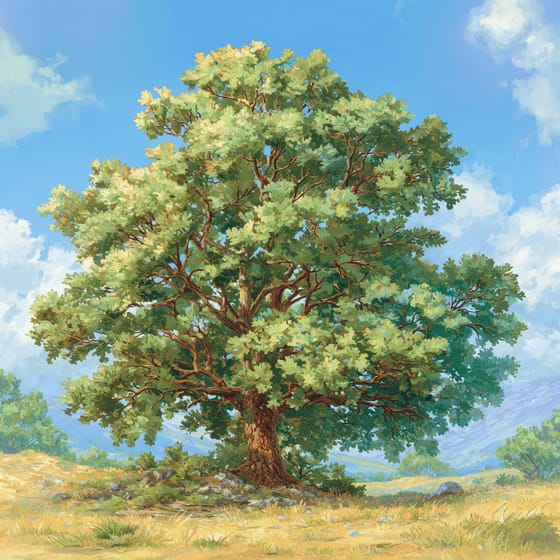
Quercus alba
Provides specific plant tissue for gall formation and larval food.
Quercus rubra
Host tree species where the wasp lays eggs and galls develop.
Torymus advenus
Its larvae consume the developing Wool Sower Gall Wasp larvae within the gall.
Furry describes animals possessing a dense covering of soft hair or fur.
Solitary animals live alone for most of their lives, only interacting with others for mating or parental care.
This trait characterizes organisms whose diet consists entirely or primarily of plant material.
Forest habitats are terrestrial environments dominated by dense tree cover, supporting a high diversity of plant and animal life.

Diurnal animals are primarily active during daylight hours, typically resting or sleeping at night.

Describes a species whose presence and role have a disproportionately large effect on its environment.

Pertaining to species that are significantly smaller than typical or average for their kind.

Describes organisms that transfer pollen, enabling the fertilization and reproduction of plants.
No aliases listed yet.
Danger
1/5 · Very low
Always look at insects from a distance and don't touch them unless you are sure they are safe.
The easiest way to identify Wool Sower Gall Wasp is to use the Snappit nature identifier app.
4-6 mm
2-3 mm
7-14 days
Adults might sip nectar, but the larvae eat juicy plant tissue from inside their cozy gall.
Forests
6
Zoom in to split clusters and explore where this object has been snapped.
Jun 2, 2026
Lyman School for BoysPhoto attribution
no rights reserved
License: CC0 1.0 ↗
Image may be shown cropped inside the card frame.

Illinois, US
You might spot Brown-Belted Bumble Bee and Eastern Gray Squirrel.
View guide →
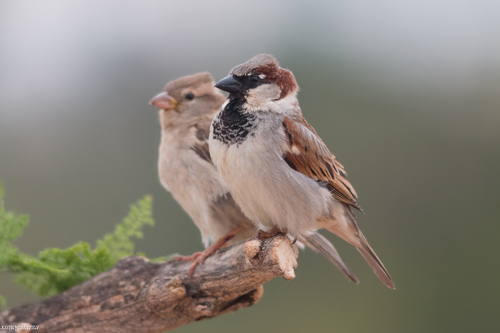
Pennsylvania, US
You might spot House Sparrow, Spotted Lanternfly, and American Robin.
View guide →

Massachusetts, US
You might spot Eastern Skunk Cabbage and Sweet Pepperbush.
View guide →

US
You might spot Common Eider and American Herring Gull.
View guide →

Massachusetts, US
You might spot Common Eastern Bumble Bee, Bee, and Eastern Calligrapher.
View guide →
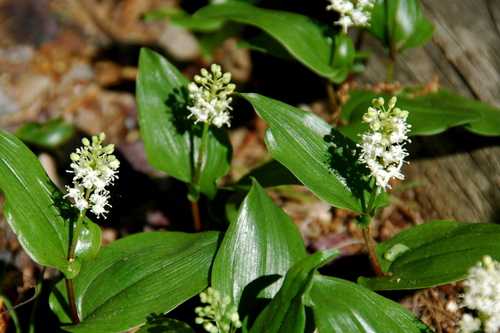
Connecticut, US
You might spot Canada Mayflower and Eastern White Pine.
View guide →
Take the discovery with you
Snap it with Snappit to identify it, learn what makes it special, and add the discovery to your collection.






.jpg&width=800)


