





Thorold's deer
Cervus albirostris
Thorold's deer is a special kind of deer that lives in the mountains. They have beautiful, long antlers and are very shy, making them hard to spot in the wild.
Habitat: Mountain regions
The Thorold's deer has a distinctive dark reddish-brown coat that often appears almost black, especially in winter. It boasts a striking white muzzle and lower jaw, which gives it its "white-lipped" nickname. Males grow large, impressive antlers that can have many branches.
Category
MammalsRarity
Rare
Danger
2/5 · Low
Snaps
Be the first to snap!
Baby Thorold's deer can stand up and walk just hours after being born!
Their thick, woolly coat protects them from freezing cold mountain winds.
These deer live higher up in the mountains than almost any other deer!
They are also called "white-lipped deer" because of their striking white muzzle!
Thorold's deer can thrive in thin mountain air because of adaptations that help them breathe efficiently at high elevations.
Thorold's deer has strong legs and specialized hooves that help them navigate steep, rocky terrain with remarkable agility.
Thorold's deer can rub their preorbital glands on branches to leave scent messages, helping them communicate with other deer.
They munch on tough mountain grasses and various alpine plants found high in the mountains.
Canis lupus
Wolves are primary predators in their range.
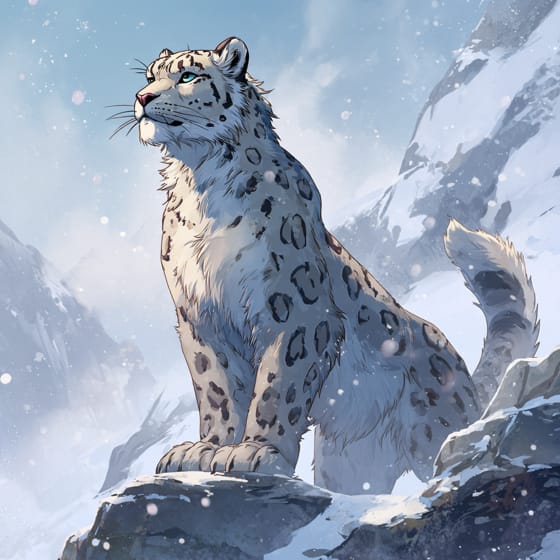
Panthera uncia
Snow leopards prey on deer at high altitudes.
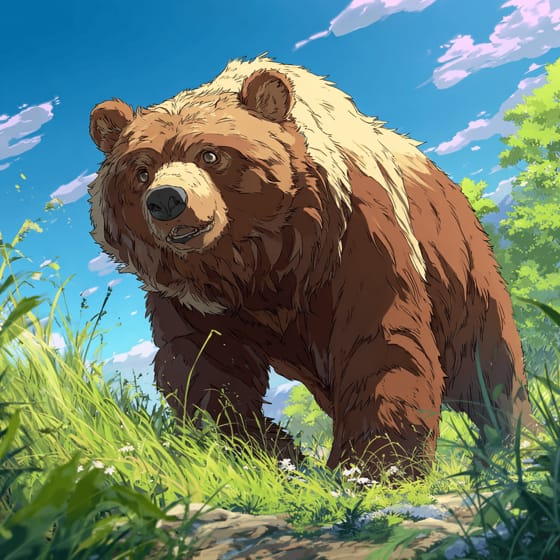
Ursus arctos
Bears may take calves or weak adults.
Picea asperata
Provides shelter and some browse in forests.
Furry describes animals possessing a dense covering of soft hair or fur.
Climbing or vine plants are characterized by a growth habit that allows them to ascend upwards by twining, tendrils, or adhesive roots.
Solitary animals live alone for most of their lives, only interacting with others for mating or parental care.
Antlered describes animals possessing antlers, which are bony, branching growths found predominantly on male deer and related species.

This trait characterizes organisms whose diet consists entirely or primarily of plant material.

This habitat trait identifies species found in mountainous regions, characterized by high elevation, steep slopes, and varying climate zones.

Forest habitats are terrestrial environments dominated by dense tree cover, supporting a high diversity of plant and animal life.

Endangered status indicates a species is at a very high risk of extinction in the wild in the near future.
No aliases listed yet.
Danger
2/5 · Low
Always watch from a distance if you see a deer in the wild. They are shy and need their space.
The easiest way to identify Thorold's deer is to use the Snappit nature identifier app.
180-200 cm
100-140 kg
10-18 years
50 km/h
They munch on tough mountain grasses and various alpine plants found high in the mountains.
Mountain regions
Grazing
Zoom in to split clusters and explore where this object has been snapped.
Recent snaps will appear here as new observations are added.
Take the discovery with you
Snap it with Snappit to identify it, learn what makes it special, and add the discovery to your collection.




.jpg&width=800)



.JPG&width=800)


.jpg&width=800)
