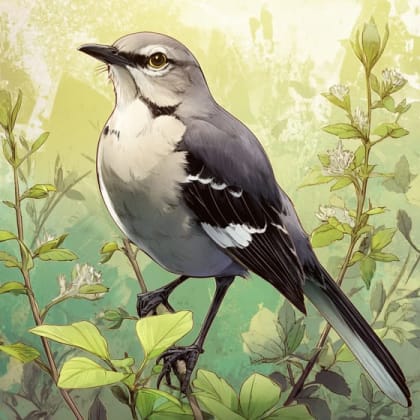





Northern Mockingbird

Step back in time at Sce:dagĭ Mu:val Va'aki, a significant archaeological site preserving ancient Hohokam structures.
Step back in time at Sce:dagĭ Mu:val Va'aki, a significant archaeological site preserving ancient Hohokam structures. Formerly known as Mesa Grande Cultural Park, this 82-acre expanse in Mesa, Arizona, provides a unique window into the lives of the ancestral Sonoran Desert dwellers, whose sophisticated civilization thrived in the region between 1 and 1450 CE. It stands as one of only two remaining Hohokam platform mounds in the greater Phoenix metropolitan area, a testament to a remarkable indigenous culture known for its impressive irrigation systems, distinctive pottery, and advanced architectural techniques. The recent renaming to Sce:dagĭ Mu:val Va'aki, meaning "Blue Fly's place of dwelling" in the O'odham language, honors the enduring legacy and sacred significance of these lands to the O'odham and Piipaash communities.
The park's central feature is the monumental Great Platform Mound, an enormous earthen structure measuring approximately 100 feet in diameter and standing 27 feet high, believed to have served as a ceremonial and administrative center for the Hohokam people. Visitors can also explore a replica of a Hohokam Ballcourt, an ancient playing field that held significant religious and cultural importance. Inside the park's museum, an extensive collection of Hohokam artifacts, including pottery, tools, and jewelry, offers tangible insights into their daily lives, craftsmanship, and resource management skills. Interpretive signs and informative displays are strategically placed throughout the site, enriching the self-guided experience.
Visiting Sce:dagĭ Mu:val Va'aki is more than just seeing ruins; it's an opportunity to connect deeply with the past and appreciate the ingenuity and cultural richness of Arizona's earliest inhabitants. Whether you join a guided tour to unravel the stories behind the mound and complex canal systems, or wander the pathways at your own pace, the park provides an invaluable educational experience. It’s a memorable destination for those seeking to understand the profound heritage that shaped the Sonoran Desert landscape. Unlock an interactive field guide for this spot: get the Snappit app to identify nature on the go.
The history of Mesa Grande Cultural Park, or Sce:dagĭ Mu:val Va'aki, is deeply rooted in the ancient Hohokam civilization, who inhabited the Salt River Valley from around 300 BCE to 1450 CE. The impressive platform mound, a central feature of the site, was constructed by the Hohokam between 1100 and 1450 AD, serving as a social and ceremonial hub for a large community that once controlled extensive farmland. The Hohokam were renowned for their sophisticated irrigation systems, which supported their agricultural practices and allowed their society to thrive in the arid desert. The site was listed on the National Register of Historic Places in 1978. In 1988, after considerable public support and advocacy efforts by groups like the Mesa Grande Archaeological Society (later the Mesa Archaeological and Historical Society), the City of Mesa acquired the land to preserve this significant cultural treasure. Since then, the site has been operated by the Arizona Museum of Natural History, with continuous archaeological studies and conservation efforts taking place. A visitor center, completed in 2013, facilitated seasonal public access to the park, allowing more people to experience and learn about this important part of Native American heritage.
Explore the pathways winding around the Great Platform Mound, envisioning the ancient city it once anchored. Delve into the Visitor Center's museum to examine actual Hohokam artifacts. Take a guided tour to gain deeper archaeological insights into the mound's construction, the Hohokam's advanced canal systems, and their ceremonial practices. Visualize ancient ballgames at the Ballcourt replica.
The park operates seasonally from October through May due to the intense summer heat in Arizona. During the open season, weather is generally pleasant, but sun protection is always advised. Special events or educational programs may be offered, particularly around International Archaeology Day or during peak cooler months.
The main outdoor interpretive trail at similar Hohokam sites is wheelchair and stroller accessible. Mesa Grande Cultural Park aims for accessibility, with accessible parking available. The Visitor Center is likely accessible, and staff can provide assistance. However, some older accounts mention park grounds being covered with gravel, so it's advisable to check the official website or contact the park directly for the most up-to-date accessibility information regarding specific paths.
The centerpiece of the park, offering a direct connection to the Hohokam's ceremonial and administrative life.
A replica of the ancient playing field, providing insight into their cultural and religious activities.
A collection of pottery, tools, jewelry, and other archaeological discoveries.
Detailed information about Hohokam culture, agricultural practices, and the significance of the site.
Each card links to a full Explore page with photos, traits, and fun facts.
Start with the big picture, then zoom in to explore individual wildlife observations around this place.
Visit during cooler months
Plan your trip between October and May for the most comfortable weather.
Go early or late
Arrive in the morning or late afternoon to avoid the midday sun and for a more peaceful experience.
Hydrate
Always bring plenty of water, especially since amenities might be limited.
Dress appropriately
Wear comfortable walking shoes, a hat, and sunscreen, as the site is primarily outdoors.
Consider a guided tour
Knowledgeable guides offer invaluable context and stories, deepening your understanding of the Hohokam culture.
Check hours before visiting
Since the park operates seasonally, confirm current opening hours and tour availability on their website or by contacting them directly.
Jun 16, 2026
Jun 16, 2026
Jun 11, 2026
Jun 11, 2026
Jun 9, 2026

Maryland, US
You might spot White-Tailed Deer and Eastern Gray Squirrel.
View guide →
.jpg)
District of Columbia, US
You might spot Eastern Gray Squirrel, Duck, and House Sparrow.
View guide →

Illinois, US
You might spot American Robin, Canada Goose, and House Sparrow.
View guide →

Virginia, US
You might spot Spotted Lanternfly and Northern Cardinal.
View guide →
Take the discovery with you
Identify the wildlife you spot, learn as you go, and keep a collection of the adventure.

























.jpg&width=800)
.jpg&width=800)




