





Touristplant
Dimorphocarpa wislizeni
The Touristplant is a special plant that grows in dry places. It has unique seed pods that look like little balloons and can float away in the wind!
Habitat: Desert
The Touristplant is an upright annual herb with grayish-green leaves and small, four-petaled white to yellow flowers. Its most distinctive feature is the inflated, papery, often purplish, bladder-like seed pods, which are much larger than its tiny flowers.
Category
PlantsRarity
Common
Danger
1/5 · Very low
Snaps
Be the first to snap!
Its puffy seed pods look like tiny alien spaceships, floating on the wind!
Squeeze a dry Touristplant seed pod, and it might make a funny popping sound!
The scientific name 'Dimorphocarpa' means 'two-shaped fruit,' referring to its unique pods.
You might see whole families of these plants rolling like a race across the desert!
Touristplant can detach from its roots and roll across the desert, spreading its seeds far and wide as a tumbleweed.
This plant has the ability to quickly sprout, grow, and flower after desert rains, making the most of fleeting moisture.
Touristplant has hollow, inflated seed pods that act like tiny parachutes, helping its seeds catch the wind and travel.
Apis mellifera
collects nectar and pollen from flowers
Dipodomys merriami
eats seeds from fallen pods
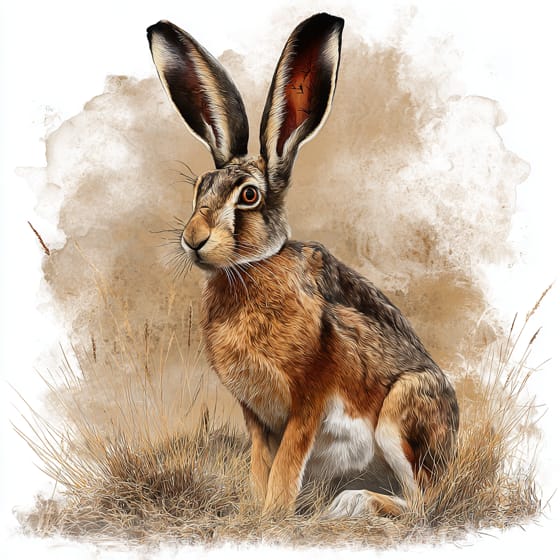
Lepus californicus
browses on young plants and leaves
Aromatic plants produce and emit fragrant volatile organic compounds, often for defense or to attract pollinators.
Flowering plants are any plants that produce flowers as part of their reproductive cycle.
Drought-tolerant plants can survive and flourish in conditions with limited water availability.
Desert habitats are arid regions characterized by extremely low precipitation and often extreme temperatures, supporting specialized flora and fauna.
No aliases listed yet.
Danger
1/5 · Very low
Always look but don't touch wild plants, as some can be prickly or not safe.
The easiest way to identify Touristplant is to use the Snappit nature identifier app.
10-60 cm
15-40 cm
0.5-1 cm
Spring to Fall
No
Mild
Annual
Zoom in to split clusters and explore where this object has been snapped.
Recent snaps will appear here as new observations are added.
Take the discovery with you
Snap it with Snappit to identify it, learn what makes it special, and add the discovery to your collection.








.jpg&width=800)



_001.jpg&width=800)




