





Trachysida aspera
Trachysida aspera
The Trachysida aspera is a special kind of beetle that has a bumpy, rough shell. These beetles are often found in gardens and forests, where they help break down dead plants.
Habitat: Forests
The Trachysida aspera is a medium-sized beetle, typically dark brown to black, with a distinctly rough and bumpy texture across its body and wing covers. It has very long, slender antennae that are often longer than its body, setting it apart from many other beetles.
Category
InsectsRarity
Common
Danger
1/5 · Very low
Snaps
Be the first to snap!
Adult Trachysida aspera can fly but are often found resting on leaves or bark.
It can take up to three years for a Trachysida aspera larva to become an adult beetle.
Its larvae are called "round-headed borers" because of their unique shape.
The beetle's scientific name means "rough-sided" in Latin! How cool is that?
Trachysida aspera larvae can chew through tough dead wood because of their strong mandibles that help them get nutrients.
Trachysida aspera has extremely long antennae that help them detect food, mates, and predators in their environment.
Trachysida aspera has a rough, bark-like texture that helps them blend perfectly with tree trunks to hide from birds.
Larvae munch on dead wood, while adults might snack on nectar or tree sap.
Age differences: Larvae feed exclusively on decaying wood; adults may feed on sap or pollen.
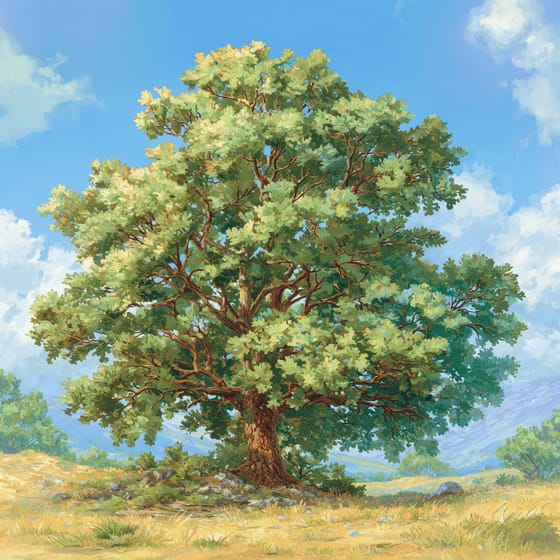
Quercus alba
Larvae bore into dead wood of this tree species.
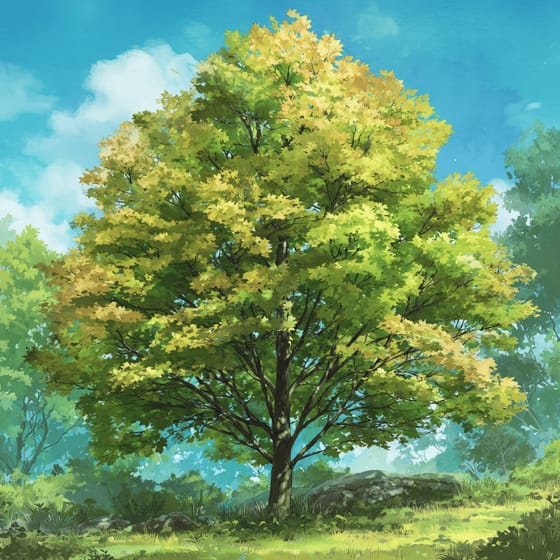
Acer saccharum
Larvae also feed within the decaying wood of this tree.
.jpg&width=800)
Dendroica coronata
Adult beetles can be a food source for insectivorous birds.
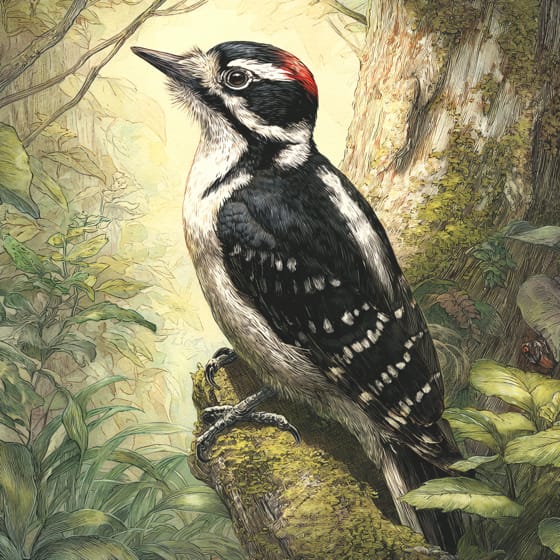
Picoides villosus
Woodpeckers extract Trachysida aspera larvae from infested trees.
Solitary animals live alone for most of their lives, only interacting with others for mating or parental care.
This trait characterizes organisms whose diet consists entirely or primarily of plant material.
Describes organisms that break down dead organic material, recycling nutrients back into the ecosystem.
Forest habitats are terrestrial environments dominated by dense tree cover, supporting a high diversity of plant and animal life.

Armored describes animals protected by a hard, external covering or shell for defense.

Nocturnal animals are primarily active during the nighttime hours, typically resting or sleeping during the day.
No aliases listed yet.
Danger
1/5 · Very low
Be gentle and observe insects from a distance. They are best left in their homes.
The easiest way to identify Trachysida aspera is to use the Snappit nature identifier app.
20-40 mm
8-16 mm
30-90 days
Larvae munch on dead wood, while adults might snack on nectar or tree sap.
Forests
Foraging
6
Zoom in to split clusters and explore where this object has been snapped.
Recent snaps will appear here as new observations are added.
Take the discovery with you
Snap it with Snappit to identify it, learn what makes it special, and add the discovery to your collection.








.jpg&width=800)



