





Trichoglossus forsteni forsteni
Trichoglossus forsteni forsteni
The Trichoglossus forsteni forsteni, also known as the Forsten's Parrot, is a colorful bird found in the forests of Indonesia. These parrots are playful and love to eat fruits and seeds.
Habitat: Forests
The Trichoglossus forsteni forsteni is a vibrant parrot with a striking pattern. It has a bright green body, a deep scarlet-red breast, and an intense purplish-blue head and belly. This subspecies stands out with its particularly rich red chest, unlike many other lorikeet variations.
Category
BirdsRarity
Common
Danger
1/5 · Very low
Snaps
Be the first to snap!
Their bright feathers help them blend in with tropical flowers and lush green leaves.
Their fast metabolism digests nectar quickly, meaning they poop every 15 minutes!
These colourful birds are only found on the Indonesian islands of Lombok and Sumbawa.
Unlike most birds, lorikeets often roost in large groups, sometimes thousands strong!
Trichoglossus forsteni forsteni has a brush-tipped tongue that helps them lap up sweet nectar from flowers like a tiny sponge.
Trichoglossus forsteni forsteni can fly with incredible agility through dense trees because of their powerful wings and streamlined body.
Trichoglossus forsteni forsteni can make a range of loud squawks and whistles that helps them communicate with their flock from afar.
They primarily drink flower nectar and pollen, but also enjoy fruits and small insects!
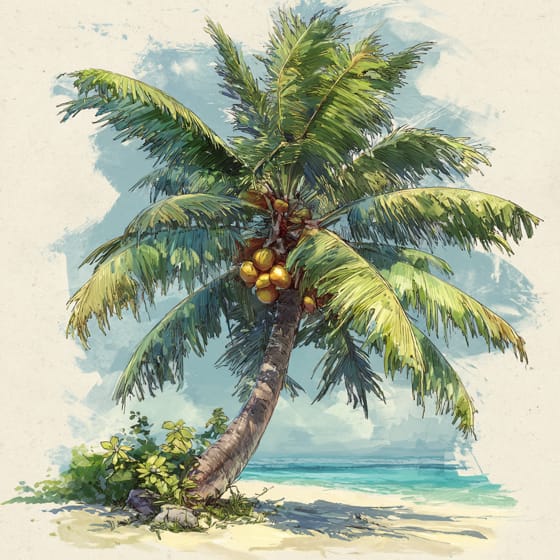
Cocos nucifera
Spreads pollen while drinking nectar from coconut flowers.
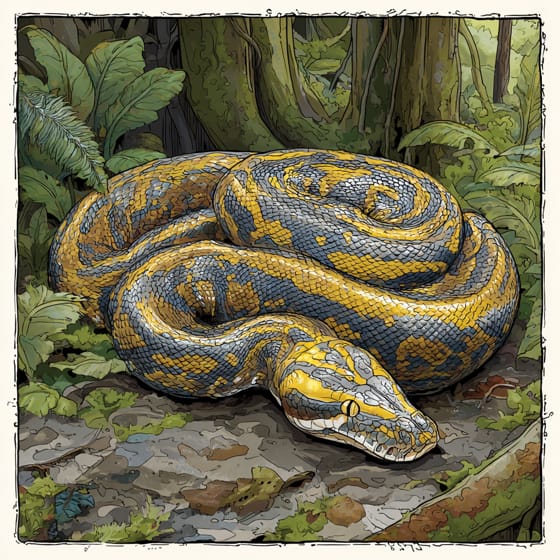
Python reticulatus
Can become prey for large snakes lurking in their tree habitats.
Accipiter virgatus
Hunted by this agile raptor, especially during flight.
Feathered describes animals, primarily birds, possessing a covering of feathers.
Social animals live in organized groups, cooperating for survival benefits such as foraging, defense, and raising offspring.
Colorful describes organisms or objects displaying a wide range of bright and distinct colors.
This trait characterizes organisms whose diet consists entirely or primarily of plant material.

Forest habitats are terrestrial environments dominated by dense tree cover, supporting a high diversity of plant and animal life.

Diurnal animals are primarily active during daylight hours, typically resting or sleeping at night.

Threatened status denotes a species likely to become endangered in the foreseeable future without effective conservation interventions.

Describes organisms that transfer pollen, enabling the fertilization and reproduction of plants.
Danger
1/5 · Very low
Always watch birds from a distance and do not try to touch them in the wild.
The easiest way to identify Trichoglossus forsteni forsteni is to use the Snappit nature identifier app.
25-28 cm
38-45 cm
0.1-0.15 kg
10-18 years
60 km/h
They primarily drink flower nectar and pollen, but also enjoy fruits and small insects!
Forests
Zoom in to split clusters and explore where this object has been snapped.
Recent snaps will appear here as new observations are added.
Take the discovery with you
Snap it with Snappit to identify it, learn what makes it special, and add the discovery to your collection.




.jpg&width=800)






