.jpg&width=800)





Tropical Checkered-Skipper
Burnsius oileus
The Tropical Checkered-Skipper is a small butterfly with beautiful checkered patterns on its wings. It flits around flowers, sipping sweet nectar and spreading joy wherever it goes!
Habitat: Coastal areas
The Tropical Checkered-Skipper is a small butterfly with a stout, dark body. Its wings are dark brown to black, covered with many square white spots that create a distinct checkered pattern, especially on the forewings. Some individuals also have a yellowish-orange spot on the hindwing underside.
Category
InsectsRarity
Common
Danger
1/5 · Very low
Snaps
1
Adult skippers use a special straw-like tongue, called a proboscis, to drink nectar!
Skippers are a mix of moths and butterflies, flying by day but with stout bodies!
Their caterpillars are often called 'leaf rollers' because they fold leaves to hide.
They can sometimes "bask" in the sun, spreading their wings to warm up quickly.
Tropical Checkered-Skipper can fly in a quick, erratic zigzag pattern because of its powerful wing muscles, helping them escape hungry predators!
Tropical Checkered-Skipper has a long proboscis that helps them reach sweet nectar deep inside tubular flowers, fueling their energetic flight.
Tropical Checkered-Skipper has a checkered wing pattern that helps them blend into dappled sunlight and shade, making them harder for birds to spot.
Adult skippers drink flower nectar, while their caterpillars munch on mallow plant leaves.
Age differences: Larvae eat plant leaves, while adults only drink flower nectar.
Sida acuta
Its caterpillars eat the leaves of this plant.
Malvastrum coromandelianum
Young skippers feed on its leaves for growth.
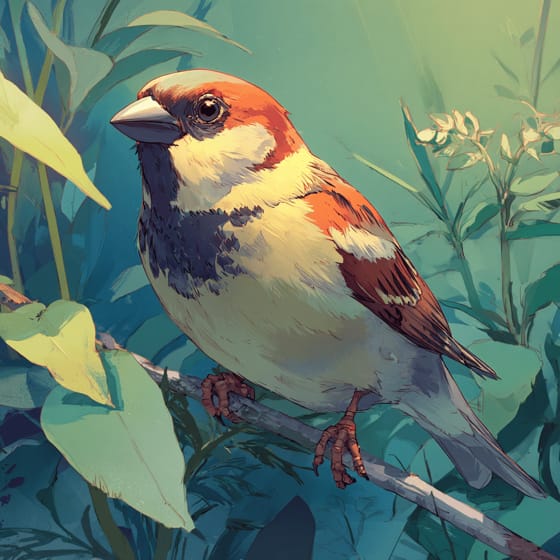
Passer domesticus
Adult skippers are a food source for birds.
Argiope aurantia
Spiders often catch skippers in their webs.
Social animals live in organized groups, cooperating for survival benefits such as foraging, defense, and raising offspring.
Colorful describes organisms or objects displaying a wide range of bright and distinct colors.
This trait characterizes organisms whose diet consists entirely or primarily of plant material.
Describes plants that are particularly attractive and beneficial to a wide range of pollinating organisms.

Coastal habitats are dynamic environments located along the interface between land and sea, influenced by tides, waves, and saltwater.

Diurnal animals are primarily active during daylight hours, typically resting or sleeping at night.

Pertaining to species that are significantly smaller than typical or average for their kind.

Describes organisms that transfer pollen, enabling the fertilization and reproduction of plants.
No aliases listed yet.
Danger
1/5 · Very low
Butterflies are gentle creatures, but it's best to watch them from a distance.
The easiest way to identify Tropical Checkered-Skipper is to use the Snappit nature identifier app.
25-38 mm
10-15 mm
10-20 days
20 km/h
Adult skippers drink flower nectar, while their caterpillars munch on mallow plant leaves.
Coastal areas
Foraging
Zoom in to split clusters and explore where this object has been snapped.

South Carolina, US
You might spot Gulf Fritillary, Poey's Furrow Bee, and Anole.
View guide →

South Carolina, US
You might spot American Alligator and Rare Skipper.
View guide →
Take the discovery with you
Snap it with Snappit to identify it, learn what makes it special, and add the discovery to your collection.







.jpg&width=800)



