.jpg&width=800)





Tropical House Gecko
Hemidactylus mabouia
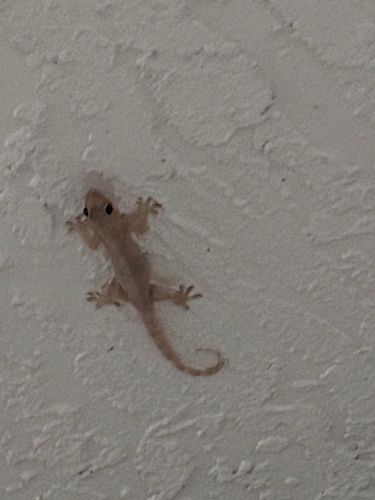
The Tropical House Gecko is a small lizard that loves to live in warm places. They have soft skin and can change color a little to blend in with their surroundings.
Habitat: Urban areas
The Tropical House Gecko is a small, slender lizard, typically light gray to tan, often with darker spots or blotches. Its skin can appear almost translucent on the underside. Unlike many lizards, it has large, immovable eyes with vertical pupils.
Category
ReptilesRarity
Common
Danger
1/5 · Very low
Snaps
8
Their skin is nearly see-through on their bellies, sometimes revealing organs!
These geckos shed their entire skin in one piece and often eat it afterwards!
They can change their skin color slightly to blend into different backgrounds!
They don't have eyelids; they lick their eyes to keep them clean!
Tropical House Gecko has specialized toe pads with millions of tiny hairs that help them stick to almost any surface, even upside down.
Tropical House Gecko can voluntarily drop its tail if caught by a predator, that helps them escape while the tail wiggles to distract.
Tropical House Gecko has excellent night vision because of specialized eye structures that help them spot insects in very low light.
Tropical House Gecko can make chirping and clicking sounds that helps them communicate with other geckos for mating or territory.
These small geckos mostly eat tiny insects and spiders, helping to keep bug populations in check!
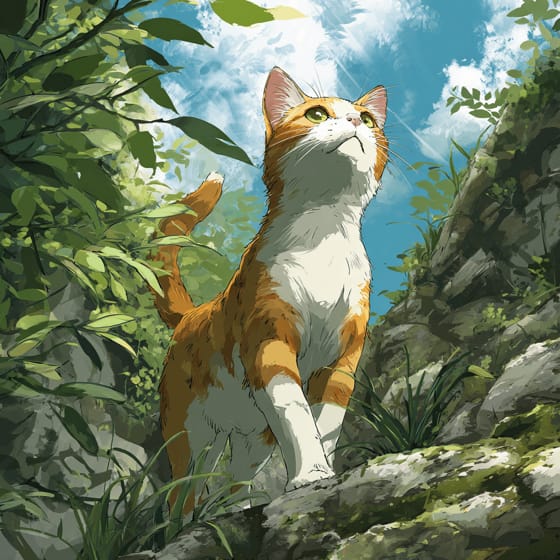
Felis catus
Common predator in urban areas.
Oxybelis aeneus
Snake species that preys on geckos.
Argiope aurantia
Preys on various small insects.
Musca domestica
Common insect prey for geckos.
Social animals live in organized groups, cooperating for survival benefits such as foraging, defense, and raising offspring.
Arboreal animals live primarily in trees, utilizing them for shelter, food, and protection from predators.
Camouflaged describes organisms that possess coloring or patterns that allow them to blend into their environment.
This trait identifies organisms whose diet primarily consists of insects and other small invertebrates.

Regenerative organisms possess the ability to regrow lost or damaged body parts, tissues, or organs.

This habitat trait indicates species that can coexist with humans in urban and suburban environments, utilizing man-made structures and green spaces.

Nocturnal animals are primarily active during the nighttime hours, typically resting or sleeping during the day.
No aliases listed yet.
Danger
1/5 · Very low
Always watch geckos from a distance and do not try to catch them.
The easiest way to identify Tropical House Gecko is to use the Snappit nature identifier app.
7.5-12.7 cm
0.002-0.005 kg
3-7 years
5 km/h
These small geckos mostly eat tiny insects and spiders, helping to keep bug populations in check!
Urban areas
Ambush
Zoom in to split clusters and explore where this object has been snapped.
Jun 5, 2026
Discovery CovePhoto attribution
(c) Giavanna Harrington (G dawg), some rights reserved (CC BY)
License: CC BY 4.0 ↗
Image may be shown cropped inside the card frame.

Florida, US
You might spot Brown Anole, Great Egret, and Snowy Egret.
View guide →
.jpg)
Municipal District of Cobh, IE
You might spot Ring-Tailed Lemur, Giraffes, and Cheetahs.
View guide →

North Rhine-Westphalia, DE
You might spot Giant Anteaters, Angolan Giraffe, and Giant Otter.
View guide →

England, UK
You might spot Carpathian Lynx, Deer, and Visayan Warty Pig.
View guide →

Florida, US
You might spot Duck, Anhinga, and White Ibis.
View guide →
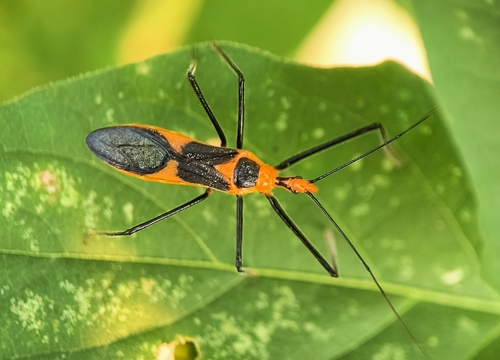
Florida, US
You might spot Milkweed Assassin Bug, Green Iguana, and White Beggarticks.
View guide →
Take the discovery with you
Snap it with Snappit to identify it, learn what makes it special, and add the discovery to your collection.