_observed_by_bob-dodge.JPG&width=800)





Trowbridge's Shrew
Sorex trowbridgii
Trowbridge's Shrew is a tiny mammal that loves to scurry around in the underbrush. With its long snout and small size, it looks a bit like a mouse but is actually a shrew!
Habitat: Forests
The Trowbridge's Shrew has a sleek body with a dark, often grayish-brown back that fades to a lighter, ash-gray belly. Its long, pointed snout and tiny, almost hidden eyes give it a distinct look, and it possesses a relatively long tail that is usually darker on top than underneath.
Category
MammalsRarity
Common
Danger
1/5 · Very low
Snaps
Be the first to snap!
Its tiny heart can beat over 1,000 times per minute – incredibly fast!
Shrews are more closely related to moles than to mice or rats!
They use ultrasonic squeaks, like tiny sonar, to explore their world!
This small mammal needs to eat every few hours to stay alive!
Trowbridge's Shrew can find hidden prey like insects underground because of its extra-long, flexible snout and keen sense of smell.
Trowbridge's Shrew has a super-fast metabolism that makes it constantly hungry, so it must eat almost all day long to survive.
Trowbridge's Shrew has incredibly quick reflexes that help it dart away from predators and snatch fast-moving insects in a flash.
This tiny hunter loves munching on insects and other small creepy crawlies!
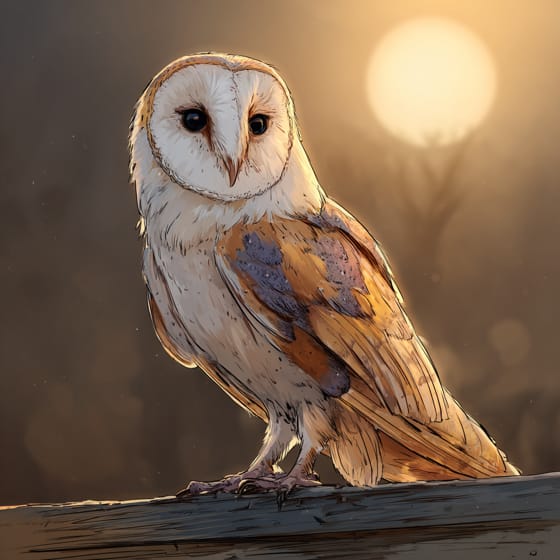
Tyto alba
A common predator that hunts shrews at night.
Mustela erminea
A quick weasel that preys on small mammals.
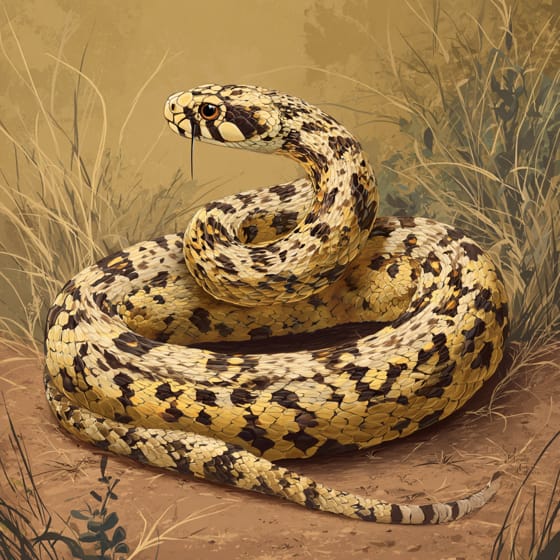
Pituophis catenifer
This snake adds shrews to its varied diet.
Formica rufa
A frequent prey item for the shrew in forests.
Furry describes animals possessing a dense covering of soft hair or fur.
Solitary animals live alone for most of their lives, only interacting with others for mating or parental care.
This trait identifies organisms whose diet primarily consists of insects and other small invertebrates.
Forest habitats are terrestrial environments dominated by dense tree cover, supporting a high diversity of plant and animal life.

This trait identifies organisms whose diet consists entirely or primarily of animal tissue.

Pertaining to species that are significantly smaller than typical or average for their kind.

This trait identifies organisms that exhibit exceptional swiftness in movement for hunting, escape, or travel.
No aliases listed yet.
Danger
1/5 · Very low
If you see a shrew, watch quietly from a distance. They are shy and prefer to be left alone.
The easiest way to identify Trowbridge's Shrew is to use the Snappit nature identifier app.
10-14 cm
0.003-0.008 kg
1-2 years
12 km/h
This tiny hunter loves munching on insects and other small creepy crawlies!
Forests
Foraging
Zoom in to split clusters and explore where this object has been snapped.
Recent snaps will appear here as new observations are added.
Take the discovery with you
Snap it with Snappit to identify it, learn what makes it special, and add the discovery to your collection.




.jpg&width=800)


.JPG&width=800)



.jpg&width=800)
