





True Crickets
gryllidae
True crickets are known for their beautiful songs, especially during warm summer nights. These little insects have long antennae and can be found hopping around in gardens and fields.
Habitat: True crickets usually live in grassy areas, gardens, and forests.
The True Crickets has a robust, cylindrical body, typically brown, black, or greenish, with long, thin antennae. They possess powerful hind legs for jumping and usually have two pairs of wings, often folded flat over their back, visually distinguishing them from slender grasshoppers.
Category
InsectsRarity
Common
Danger
0/5 · No known danger
Snaps
Be the first to snap!
A group of crickets is charmingly known as an 'orchestra'!
Crickets have their 'ears' on their front legs, not on their heads!
In ancient China, crickets were kept as tiny, musical fighting pets!
Some crickets change their chirp tune depending on the air temperature!
True Crickets can 'sing' by rubbing their wings together, which helps them attract mates and warn rivals.
True Crickets can jump far using powerful hind legs, helping them escape predators quickly.
True Crickets have super long antennae to feel and smell their surroundings, helping them find food and avoid danger.
True Crickets are most active at night, which helps them avoid daytime predators and find food in cooler conditions.
Crickets munch on plants, decaying stuff, and even tiny insects!
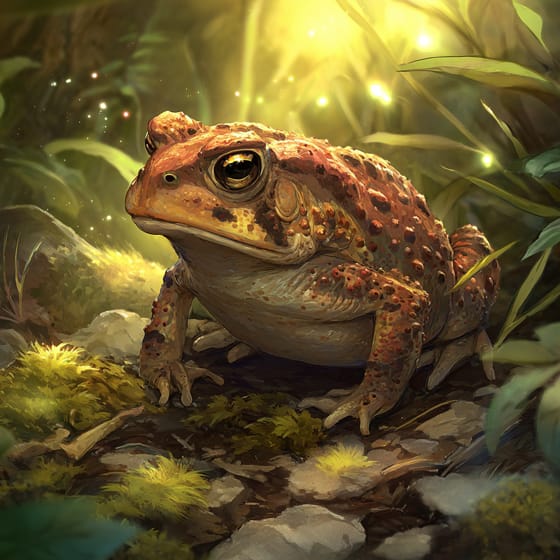
Bufo americanus
Toads ambush crickets for a quick meal.
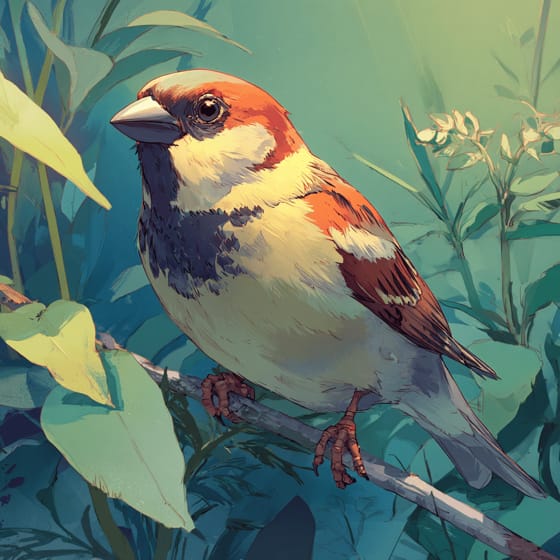
Passer domesticus
Sparrows often catch crickets on the ground.
Formica rufa
Ants can overwhelm and carry off smaller crickets.
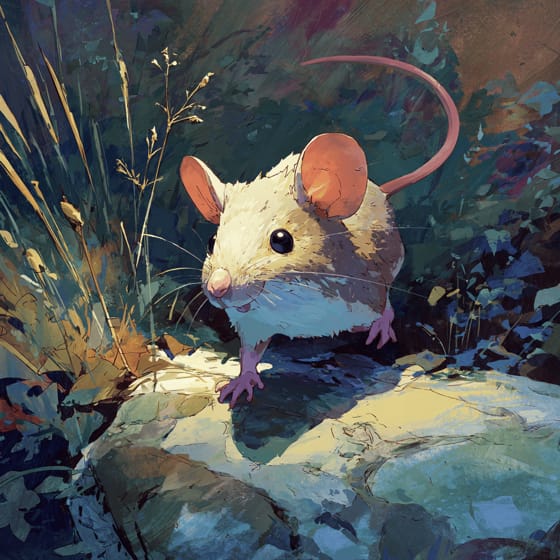
Mus musculus
Mice will opportunistically eat crickets they find.
Social animals live in organized groups, cooperating for survival benefits such as foraging, defense, and raising offspring.
Solitary animals live alone for most of their lives, only interacting with others for mating or parental care.
This trait characterizes organisms whose diet consists entirely or primarily of plant material.
This trait identifies organisms whose diet consists entirely or primarily of animal tissue.

Nocturnal animals are primarily active during the nighttime hours, typically resting or sleeping during the day.
No aliases listed yet.
Danger
0/5 · No known danger
No special safety notes yet.
The easiest way to identify True Crickets is to use the Snappit nature identifier app.
20-100 mm
10-50 mm
60-180 days
Crickets munch on plants, decaying stuff, and even tiny insects!
True crickets usually live in grassy areas, gardens, and forests.
Foraging
6
Zoom in to split clusters and explore where this object has been snapped.
Recent snaps will appear here as new observations are added.
Take the discovery with you
Snap it with Snappit to identify it, learn what makes it special, and add the discovery to your collection.








.jpg&width=800)




