





True Lilies
lilium
True Lilies are beautiful flowers that come in many colors, making gardens look magical! They have large, trumpet-shaped blooms that attract butterflies and bees.
Habitat: True Lilies thrive in gardens, meadows, and woodland edges.
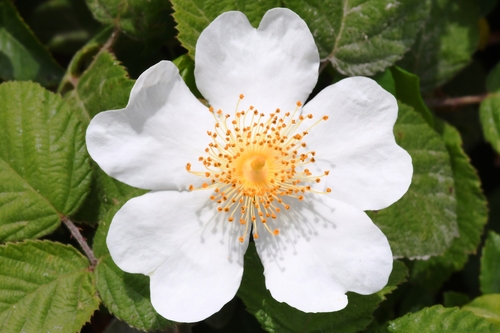
The True Lilies has large, showy flowers often shaped like trumpets or stars, held high on sturdy, unbranched stems. Their petals come in a vibrant array of colors—white, yellow, orange, pink, red, or purple—frequently adorned with distinctive spots or stripes.
Category
PlantsRarity
Common
Danger
0/5 · No known danger
Snaps
Be the first to snap!
In ancient cultures, lilies were symbols of royalty, purity, and even rebirth!
Many lilies have spots and stripes like secret maps for buzzing bees!
Some True Lily bulbs are actually edible and a delicious delicacy in certain cultures!
True Lilies can "sleep" underground as bulbs for years, emerging bigger each spring!
True Lilies can release sweet or spicy fragrances to attract insects, helping them spread their pollen far and wide.
True Lilies have special bulbs underground that store food, allowing them to regrow year after year.
True Lilies display bright spots or lines on their petals, acting as visual guides for pollinating insects.
Apis mellifera
Gathers nectar and pollen from the flowers.
Lilioceris lilii
Larvae and adults feed voraciously on leaves.
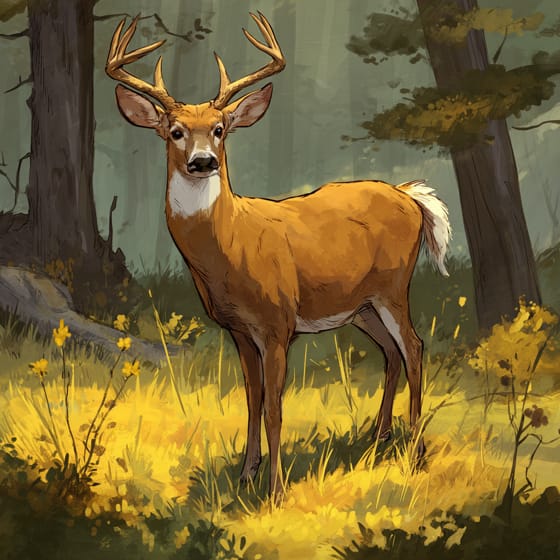
Odocoileus virginianus
Browses on the leaves and flowers of lilies.
Colorful describes organisms or objects displaying a wide range of bright and distinct colors.
This trait characterizes organisms whose diet consists entirely or primarily of plant material.
Forest habitats are terrestrial environments dominated by dense tree cover, supporting a high diversity of plant and animal life.
Diurnal animals are primarily active during daylight hours, typically resting or sleeping at night.

Describes organisms that transfer pollen, enabling the fertilization and reproduction of plants.
Danger
0/5 · No known danger
Always ask an adult before picking any flowers.
The easiest way to identify True Lilies is to use the Snappit nature identifier app.
60-180 cm
30-60 cm
5-20 cm
Summer
No
High
Perennial
Zoom in to split clusters and explore where this object has been snapped.
Recent snaps will appear here as new observations are added.
Take the discovery with you
Snap it with Snappit to identify it, learn what makes it special, and add the discovery to your collection.









.jpg&width=800)



_001.jpg&width=800)




