





True Weevils
Curculionidae
True weevils are tiny beetles with long snouts that help them eat plants. They come in many colors and shapes, and they love to hide in gardens and fields.
Habitat: Gardens
The True Weevils has a distinctive elongated snout called a rostrum, often as long as its body. They typically have a small, hard, oval or pear-shaped body, covered in dull brown, black, or grey scales, sometimes with metallic or patterned markings. Their sturdy exoskeleton provides protection.
Category
InsectsRarity
Common
Danger
1/5 · Very low
Snaps
Be the first to snap!
Certain weevil species are used by farmers to control invasive weeds naturally!
Some weevil larvae live *inside* acorns or nuts, eating the tasty insides!
Their long snouts are sometimes called 'noses,' but they're actually mouths!
There are over 80,000 species of true weevils, making them a huge family!
True Weevils can use their strong snout to drill into plants, helping them find food and make safe spots for eggs.
True Weevils can have excellent camouflage because of their varied body colors and textures that blend perfectly with plants and bark.
True Weevils can play dead by tucking in their legs and antennae because this trick makes predators think they are not worth eating.
True Weevils has a tough, shell-like exoskeleton that helps protect them from predators and environmental damage.
True weevils are herbivores, munching on various parts of plants like leaves, stems, and fruits.
Age differences: Larvae typically live inside plant tissues, feeding on internal parts, while adults usually feed externally.
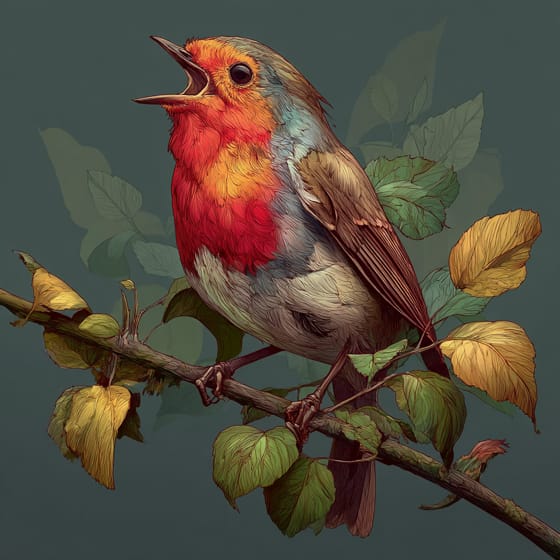
Turdus migratorius
Robins frequently forage for weevils on the ground and in plants.
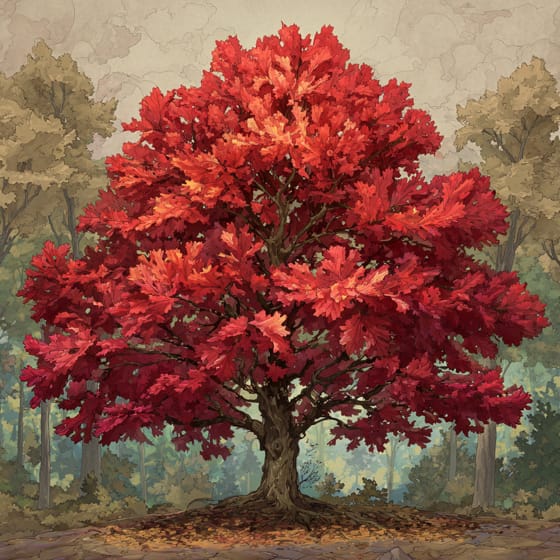
Quercus rubra
Some weevil species feed on the leaves and bark of oak trees.

Carabus auratus
Ground beetles hunt and consume weevils hiding on the ground.
Rosa gallica
Many weevil species rely on specific plants, like roses, for food and shelter.

Glycine max
The Soybean Weevil larvae damage soybean plants by feeding inside stems.
Marked with spots or patches of a different color.
Solitary animals live alone for most of their lives, only interacting with others for mating or parental care.
Camouflaged describes organisms that possess coloring or patterns that allow them to blend into their environment.
Colorful describes organisms or objects displaying a wide range of bright and distinct colors.

This trait characterizes organisms whose diet consists entirely or primarily of plant material.

Diurnal animals are primarily active during daylight hours, typically resting or sleeping at night.

Pertaining to species that are significantly smaller than typical or average for their kind.

This habitat trait indicates species that can coexist with humans in urban and suburban environments, utilizing man-made structures and green spaces.

Describes organisms that transfer pollen, enabling the fertilization and reproduction of plants.
No aliases listed yet.
Danger
1/5 · Very low
True weevils are harmless, but it's best to look at them without touching.
The easiest way to identify True Weevils is to use the Snappit nature identifier app.
3-30 mm
1-60 mm
60-700 days
2-6 km/h
True weevils are herbivores, munching on various parts of plants like leaves, stems, and fruits.
Gardens
Foraging
Zoom in to split clusters and explore where this object has been snapped.
Recent snaps will appear here as new observations are added.
Take the discovery with you
Snap it with Snappit to identify it, learn what makes it special, and add the discovery to your collection.







.jpg&width=800)



