





Tufted Duck
Aythya fuligula
The Tufted Duck is a lovely bird with a fluffy tuft on its head! It loves to swim in lakes and ponds, diving underwater to find tasty snacks like plants and small fish.
Habitat: Wetlands
The Tufted Duck is a medium-sized diving duck. Males are glossy black with striking white flanks and a prominent, backward-curving tuft of feathers on their head, paired with bright yellow eyes. Females are a browner plumage, though they also possess a smaller, less distinct tuft.
Category
BirdsRarity
Common
Danger
1/5 · Very low
Snaps
2
Baby tufted ducks are called ducklings and can swim and dive just hours after hatching!
Sometimes, Tufted Ducks lay their eggs in other ducks' nests, letting them do all the parenting work!
The male's fancy head tuft grows longer with age, signaling his experience to potential mates!
They often nest near gulls and terns, who help protect their ducklings from predators!
Tufted Ducks can dive to depths of 6 meters because their heavy bodies help them sink quickly, reaching food others can't.
Tufted Ducks have powerful webbed feet that help them 'fly' underwater, chasing prey with incredible agility.
Tufted Ducks can forage effectively at night because their keen vision helps them locate food in low-light conditions underwater.
These ducks dive underwater to feast on tasty aquatic insects, mollusks, and small fish, along with some plants!
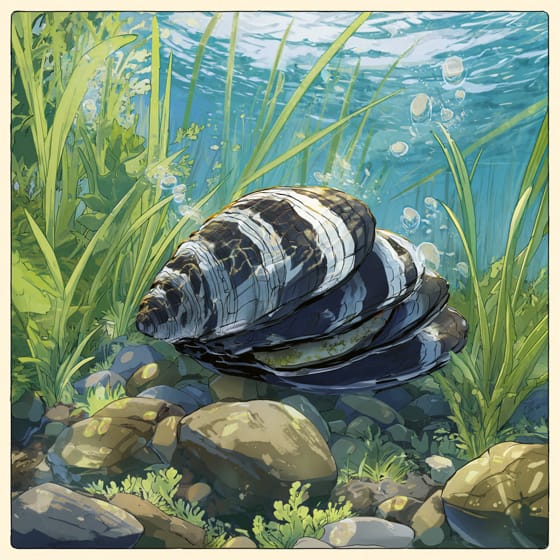
Dreissena polymorpha
An important food source, especially where mussels are abundant.

Haliaeetus albicilla
Large raptors like sea eagles prey on ducks.
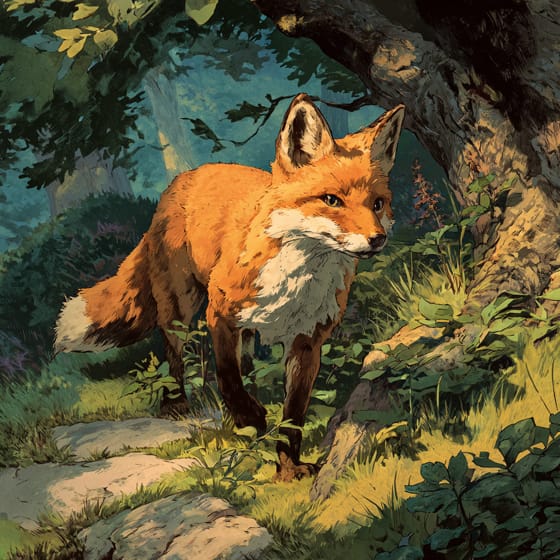
Vulpes vulpes
Opportunistic foxes will prey on ducks, especially during nesting.
Potamogeton natans
Consumes seeds and vegetative parts of aquatic plants.
Feathered describes animals, primarily birds, possessing a covering of feathers.
Characterized by having toes connected by a membrane, typically aiding in swimming.
Social animals live in organized groups, cooperating for survival benefits such as foraging, defense, and raising offspring.
Filter feeders obtain nutrients by straining suspended food particles and small organisms from water.

Piscivorous organisms are animals that primarily subsist on a diet of fish.

This habitat trait identifies species found in wetlands, which are areas of land saturated with water, either permanently or seasonally, including marshes, swamps, and bogs.

Diurnal animals are primarily active during daylight hours, typically resting or sleeping at night.

Freshwater habitats include non-saline aquatic environments such as rivers, lakes, ponds, and wetlands, vital for numerous species.

Migratory animals undertake seasonal movements from one region to another, typically in response to changes in climate or food availability.
Danger
1/5 · Very low
Always watch ducks from a distance and do not feed them bread.
The easiest way to identify Tufted Duck is to use the Snappit nature identifier app.
40-47 cm
65-72 cm
0.5-1.1 kg
5-10 years
70 km/h
These ducks dive underwater to feast on tasty aquatic insects, mollusks, and small fish, along with some plants!
Wetlands
Zoom in to split clusters and explore where this object has been snapped.
Take the discovery with you
Snap it with Snappit to identify it, learn what makes it special, and add the discovery to your collection.





.jpg&width=800)








