.jpg&width=800)




Tufted Milkvetch
Astragalus spatulatus
The Tufted Milkvetch is a special plant with fluffy, green leaves and pretty purple flowers. It grows in the wild and helps make the ground healthy.
Habitat: Grasslands
The Tufted Milkvetch has dense mats of silvery-hairy leaves. Its small, pea-like flowers range from pale lavender to purple, clustered tightly together. The plant often forms a low cushion against rocky or sandy ground.
Category
PlantsRarity
Common
Danger
1/5 · Very low
Snaps
1
It grows mostly in dry western North America, especially on open, rocky slopes.
Its roots team up with tiny helpers to make the soil healthier!
Some call it 'Paddle-Pod Milkvetch' because of its interesting flat seed pods!
This tough plant can live for many years in very dry, harsh climates!
Tufted Milkvetch can survive dry, rocky soils using special adaptations, helping it thrive where other plants cannot.
Tufted Milkvetch has strong, deep roots that anchor soil, preventing erosion and keeping the ground firm.
Tufted Milkvetch can enrich soil by partnering with bacteria to fix nitrogen, acting like a natural fertilizer.
Bombus bifarius
Visits flowers to collect nectar and pollen.
Apis mellifera
An important pollinator, transferring pollen between flowers.
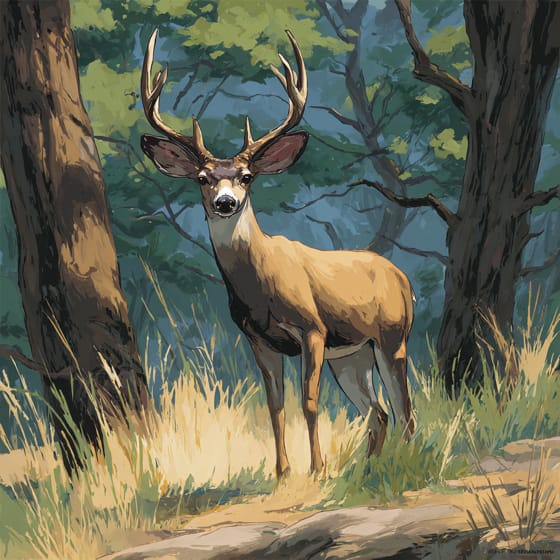
Odocoileus hemionus
May browse on leaves and stems, especially new growth.
Flowering plants are any plants that produce flowers as part of their reproductive cycle.
Describes organisms capable of converting atmospheric nitrogen into compounds usable by plants.
Drought-tolerant plants can survive and flourish in conditions with limited water availability.
Edible plants are those parts of a plant that are considered safe for human consumption.

Grassland habitats are terrestrial biomes dominated by grasses and herbaceous plants, supporting a variety of grazing animals.

Describes plants that are particularly attractive and beneficial to a wide range of pollinating organisms.

Describes a species whose presence and role have a disproportionately large effect on its environment.
No aliases listed yet.
Danger
1/5 · Very low
Always look but don't touch wild plants unless a grown-up says it's okay.
The easiest way to identify Tufted Milkvetch is to use the Snappit nature identifier app.
5-20 cm
15-40 cm
1-2 cm
Late spring to summer
No
None
Perennial
Zoom in to split clusters and explore where this object has been snapped.
Take the discovery with you
Snap it with Snappit to identify it, learn what makes it special, and add the discovery to your collection.









.jpg&width=800)



_001.jpg&width=800)



