




seaside pea
Lathyrus japonicus
The seaside pea is a lovely plant that grows near the beach. It has pretty purple flowers and green leaves that look like little tendrils. This plant loves sandy soil and can help keep the beach safe from erosion.
Habitat: Coastal areas
The seaside pea is a sprawling plant with attractive purple to pinkish-purple flowers that resemble tiny sweet peas. Its leaves are compound, typically with 4-6 leaflets, and it often has tendrils for climbing. It forms dense mats, distinguishing it from upright beach plants.
Category
PlantsRarity
Common
Danger
1/5 · Very low
Snaps
12
Honeybees and bumblebees adore its vibrant flowers, visiting often for sweet nectar and pollen.
Its seeds can float on ocean currents, helping them spread to new beaches across continents!
Some people call it the 'beach pea' because it absolutely loves sandy coastlines and dunes.
This plant is a wild cousin to the peas you might eat for dinner, both belonging to the legume family!
Seaside pea can grow in sandy, salty soil near the ocean thanks to special adaptations that manage salt intake.
This plant has deep, spreading roots that help hold loose sand in place, preventing beach erosion.
Seaside pea has tiny bacteria friends in its roots that can turn air nitrogen into plant food, enriching poor soils.
The seaside pea uses small, curly tendrils to latch onto other plants or debris, helping it reach for sunlight.
Bombus terrestris
visits flowers for nectar
Rhizobium leguminosarum
fixes nitrogen in root nodules
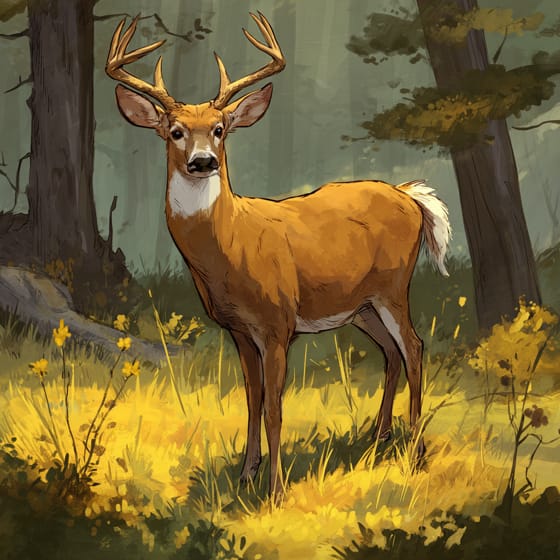
Odocoileus virginianus
browses on leaves and stems
Sitona lineatus
larvae feed on roots, adults on leaves
Climbing or vine plants are characterized by a growth habit that allows them to ascend upwards by twining, tendrils, or adhesive roots.
Flowering plants are any plants that produce flowers as part of their reproductive cycle.
Describes organisms capable of converting atmospheric nitrogen into compounds usable by plants.
Evergreen plants retain their foliage throughout the year, never shedding all their leaves at once.
Salt tolerant plants can withstand and grow in conditions with elevated salinity levels in the soil or water.

Describes plants that are particularly attractive and beneficial to a wide range of pollinating organisms.

Coastal habitats are dynamic environments located along the interface between land and sea, influenced by tides, waves, and saltwater.
No aliases listed yet.
Danger
1/5 · Very low
Always look but don't touch plants without asking an adult.
The easiest way to identify seaside pea is to use the Snappit nature identifier app.
10-50 cm
50-200 cm
1.5-2.5 cm
Spring-summer
Yes
None
Perennial
Zoom in to split clusters and explore where this object has been snapped.

Michigan, US
You might spot Bladder Campion, Bearberry, and Common Milkweed.
View guide →

US
You might spot Common Eider and American Herring Gull.
View guide →

Maine, US
You might spot Jack Pine, Lingonberry, and Sheep Laurel.
View guide →

Massachusetts, US
You might spot American Herring Gull and Common Eider.
View guide →

US
You might spot Salal, Ochre Sea Star, and Leather Star.
View guide →

Alaska, US
You might spot Brown Bear, American Beaver, and Arctic Raspberry.
View guide →
Take the discovery with you
Snap it with Snappit to identify it, learn what makes it special, and add the discovery to your collection.








.jpg&width=800)



_001.jpg&width=800)



