_-_Guelph%2C_Ontario.jpg&width=800)





Two-Marked Treehopper Complex
enchenopa binotata
The Two-Marked Treehopper is a tiny insect that loves to jump around on plants! Its unique markings make it look like a little artwork in nature.
Habitat: You can find them in forests and gardens, usually on the stems of plants.
The Two-Marked Treehopper Complex is a small, dark insect distinguished by its unique, helmet-like pronutum. This shield-like structure extends over its body, often bearing two pale markings and frequently mimicking a thorn or twig.
Category
InsectsRarity
Common
Danger
0/5 · No known danger
Snaps
1
A treehopper mother will sometimes guard her eggs and nymphs from hungry predators.
Different groups of these treehoppers communicate using unique vibratory "dialects" on their favorite plants!
Their babies, called nymphs, are spiky and sometimes fuzzy, looking quite different from the adults.
They produce a sweet liquid called honeydew that ants love to collect and eat!
Two-Marked Treehopper Complex has a thorn-like shield that helps them blend perfectly with plant stems, making them almost invisible to predators.
Two-Marked Treehopper Complex can send secret messages through plant stems using vibrations that help them find mates or warn others.
Two-Marked Treehopper Complex has a straw-like mouthpart that helps them drink nutritious sap directly from deep within plant stems.
They are plant-eaters that love to sip nutrient-rich sap directly from woody plants.

Robinia pseudoacacia
as a primary host plant for feeding and reproduction
Cercis canadensis
as another essential host plant for its sap
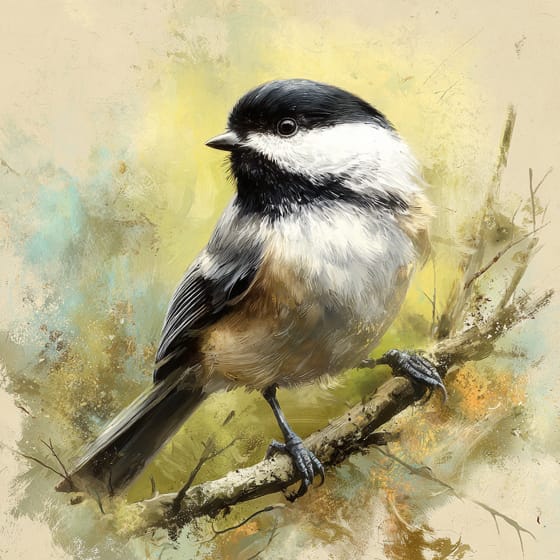
Poecile atricapillus
as they forage for insects on twigs and leaves
Misumena vatia
as it ambushes prey camouflaged on flowers
Social animals live in organized groups, cooperating for survival benefits such as foraging, defense, and raising offspring.
Arboreal animals live primarily in trees, utilizing them for shelter, food, and protection from predators.
Colorful describes organisms or objects displaying a wide range of bright and distinct colors.
This trait characterizes organisms whose diet consists entirely or primarily of plant material.

Diurnal animals are primarily active during daylight hours, typically resting or sleeping at night.
Danger
0/5 · No known danger
No special safety notes yet.
The easiest way to identify Two-Marked Treehopper Complex is to use the Snappit nature identifier app.
10-14 mm
5-7 mm
60-90 days
2 km/h
They are plant-eaters that love to sip nutrient-rich sap directly from woody plants.
You can find them in forests and gardens, usually on the stems of plants.
Foraging
Zoom in to split clusters and explore where this object has been snapped.
Take the discovery with you
Snap it with Snappit to identify it, learn what makes it special, and add the discovery to your collection.









.jpg&width=800)



