





Typical Crane Flies
Tipuloidea
Typical crane flies are long-legged insects that look a bit like giant mosquitoes. They are harmless and often found near water or in gardens, fluttering around in the evening.
Habitat: Wetlands
The Typical Crane Flies are slender, brownish or greyish insects with extremely long, delicate legs and a pair of long, narrow wings. They distinctly resemble giant mosquitoes but lack the biting mouthparts and feature a prominent V-shaped suture on their thorax.
Category
InsectsRarity
Common
Danger
1/5 · Very low
Snaps
Be the first to snap!
Despite their intimidating size and mosquito-like looks, adult crane flies are completely harmless to humans!
Many adult crane flies don't eat at all, living only on energy stored from their larval stage!
Some crane fly larvae can live underwater, breathing through their rear ends like snorkels!
Their larvae, called leatherjackets, are excellent soil recyclers, munching on decaying leaves!
Typical Crane Flies can drop a leg if caught by a predator, helping them escape to safety.
Typical Crane Flies have a short proboscis that helps them sip nectar from flowers for energy.
Typical Crane Flies use their long, segmented antennae to sense their surroundings and find mates.
Adult crane flies sip nectar, while their larvae eat decaying plants and roots.
Age differences: Larvae primarily consume decaying organic matter; many adults do not feed or only sip nectar.
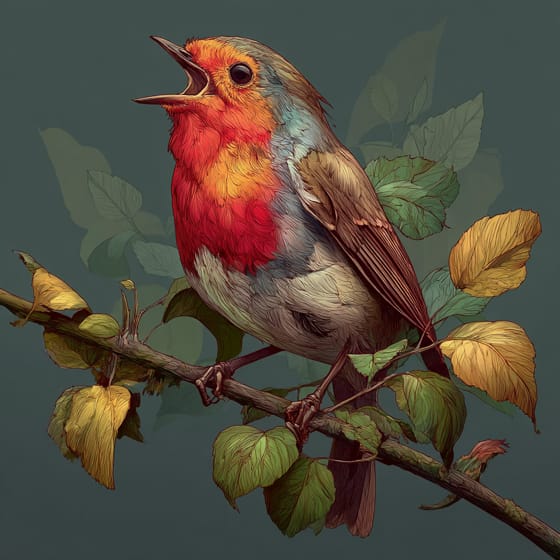
Turdus migratorius
Robins often snatch adult crane flies from lawns and gardens.
Araneus diadematus
Spiders frequently trap crane flies in their intricate webs.
Solidago canadensis
Some adults transfer pollen while visiting flowers for nectar.
Solitary animals live alone for most of their lives, only interacting with others for mating or parental care.
Aerial creatures spend a significant portion of their lives airborne, utilizing flight for various activities such as hunting, migration, or nesting.
Colorful describes organisms or objects displaying a wide range of bright and distinct colors.
This trait characterizes organisms whose diet consists entirely or primarily of plant material.

This habitat trait identifies species found in wetlands, which are areas of land saturated with water, either permanently or seasonally, including marshes, swamps, and bogs.

Nocturnal animals are primarily active during the nighttime hours, typically resting or sleeping during the day.

Describes organisms that transfer pollen, enabling the fertilization and reproduction of plants.
No aliases listed yet.
Danger
1/5 · Very low
Crane flies are safe to be around, but it's best to watch them from a distance.
The easiest way to identify Typical Crane Flies is to use the Snappit nature identifier app.
25-60 mm
10-25 mm
5-15 days
5 km/h
Adult crane flies sip nectar, while their larvae eat decaying plants and roots.
Wetlands
Foraging
Zoom in to split clusters and explore where this object has been snapped.
Recent snaps will appear here as new observations are added.
Take the discovery with you
Snap it with Snappit to identify it, learn what makes it special, and add the discovery to your collection.









.jpg&width=800)



