





Morning-glory Plume Moth
Emmelina monodactyla
The Morning-glory Plume Moth is a tiny, delicate moth with long, feather-like wings. It loves to flutter around morning-glory flowers, making it a beautiful sight in gardens.
Habitat: Urban areas
The Morning-glory Plume Moth has a slender, pale brown or grayish body and distinctive wings. Each of its forewings and hindwings are deeply split into feathery plumes, giving them a delicate, fragmented appearance unlike typical solid moth wings. It often rests in a unique 'T-shape' posture.
Category
InsectsRarity
Common
Danger
1/5 · Very low
Snaps
5
Caterpillars munch on plants that are related to sweet potatoes!
Even in winter, you might spot an adult Morning-glory Plume Moth!
Its wings are split into six separate feathery plumes!
This moth rests with its wings wide open, looking like a tiny airplane!
Morning-glory Plume Moth has deeply split, feather-like wings that help them glide and maneuver through dense vegetation with agility.
Morning-glory Plume Moth can rest with its wings extended in a 'T' shape, making it look like a twig or dried leaf to avoid predators.
Morning-glory Plume Moth caterpillars can eat common weed plants like bindweed, helping to control these fast-growing vines in gardens.
Morning-glory Plume Moths can overwinter as adults, allowing them to appear earlier in spring than many other insect species.
Caterpillars munch on morning-glory and bindweed leaves, while adults rarely eat.
Age differences: Caterpillars actively feed on host plants; adults primarily reproduce and consume little to no food.
.jpg&width=800)
Convolvulus arvensis
Caterpillars feed on its leaves.

Ipomoea purpurea
Larvae consume its foliage.
Calystegia sepium
A primary food source for larvae.
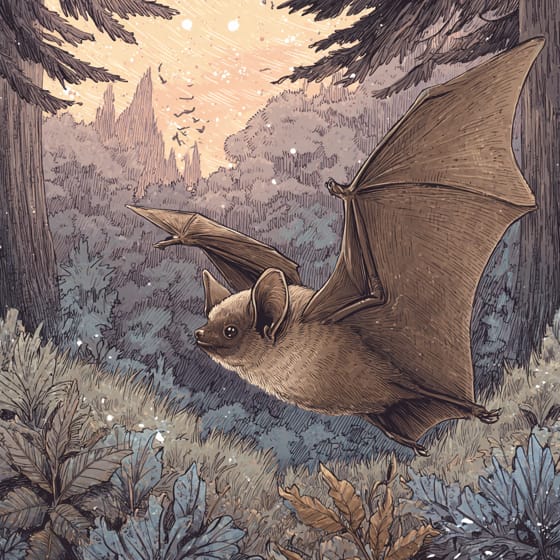
Myotis lucifugus
Bats are common nocturnal predators.
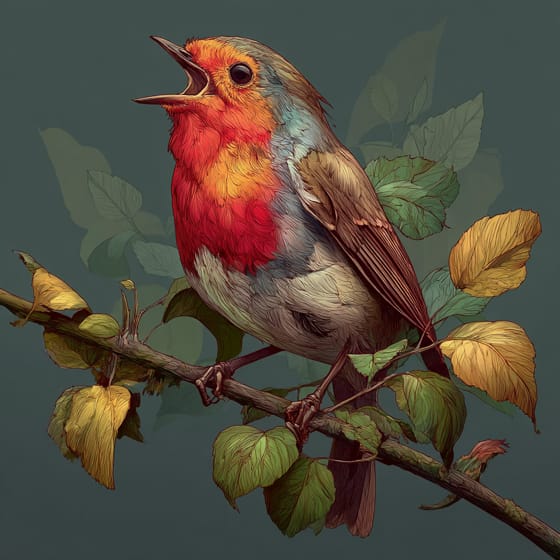
Turdus migratorius
Birds may prey on resting adults.
Feathered describes animals, primarily birds, possessing a covering of feathers.
Solitary animals live alone for most of their lives, only interacting with others for mating or parental care.
Camouflaged describes organisms that possess coloring or patterns that allow them to blend into their environment.
This trait characterizes organisms whose diet consists entirely or primarily of plant material.

Describes plants that are particularly attractive and beneficial to a wide range of pollinating organisms.

Diurnal animals are primarily active during daylight hours, typically resting or sleeping at night.

This habitat trait indicates species that can coexist with humans in urban and suburban environments, utilizing man-made structures and green spaces.

Describes organisms that transfer pollen, enabling the fertilization and reproduction of plants.
No aliases listed yet.
Danger
1/5 · Very low
Always watch moths from a distance and don't touch them, as they are delicate.
The easiest way to identify Morning-glory Plume Moth is to use the Snappit nature identifier app.
22-26 mm
10-14 mm
14-60 days
Caterpillars munch on morning-glory and bindweed leaves, while adults rarely eat.
Urban areas
Foraging
6
Zoom in to split clusters and explore where this object has been snapped.

Valencian Community, ES
You might spot African Lion, Giraffes, and African Elephant.
View guide →

Illinois, US
You might spot Polar Bear, Grizzly Bear, and African Lion.
View guide →

Nebraska, US
You might spot Mule Deer, House Sparrow, and Eurasian Collared-Dove.
View guide →

West Virginia, US
You might spot Eastern Black-Legged Tick and Celery Leaftier Moth.
View guide →

Illinois, US
You might spot Virginia Bluebells and Wavy-Lined Emerald.
View guide →
Spain, ES
You might spot Vestal, Eurasian Collared-Dove, and Common Blackbird.
View guide →
Take the discovery with you
Snap it with Snappit to identify it, learn what makes it special, and add the discovery to your collection.







.jpg&width=800)




