





Utah Honeysuckle
Lonicera utahensis
Utah Honeysuckle is a sweet-smelling shrub that grows in the wild. It has beautiful yellow and orange flowers that attract butterflies and hummingbirds, making it a lovely sight in nature.
Habitat: Mountain regions
The Utah Honeysuckle is a medium-sized shrub with opposite, oval leaves and pairs of delicate, yellowish-white to pale yellow trumpet-shaped flowers. Its striking red to orange berries develop in autumn, providing a vibrant contrast to its green foliage.
Category
PlantsRarity
Common
Danger
1/5 · Very low
Snaps
Be the first to snap!
Despite its sweet-smelling flowers, the berries have a surprisingly bitter taste to humans!
Indigenous peoples once used its tough, hollow stems for small, intricate craft projects.
Its bell-shaped flowers grow in distinct pairs, earning it the nickname 'twinflower' honeysuckle!
This hardy shrub is a favorite snack for deer and elk, especially during harsh winters!
Utah Honeysuckle's tubular flowers produce sweet nectar to attract hummingbirds and bees for efficient pollination.
This plant has a strong root system helping it survive dry, rocky soils by finding and storing water.
Its bright red berries are eaten by birds, which then scatter the seeds, helping the plant spread.
.jpg&width=800)
Selasphorus rufus
Sips nectar from the tubular flowers.
Bombus occidentalis
Collects nectar and pollen, aiding reproduction.
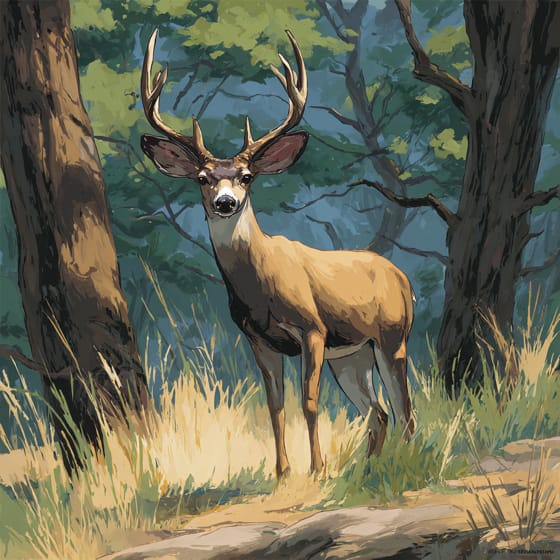
Odocoileus hemionus
Browses on its leaves and twigs, especially in winter.
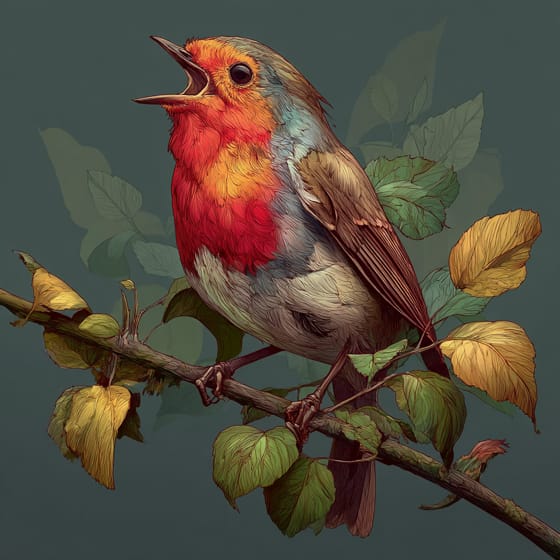
Turdus migratorius
Consumes the red berries, helping to disperse seeds.
Aromatic plants produce and emit fragrant volatile organic compounds, often for defense or to attract pollinators.
Deciduous plants periodically shed all their leaves, typically during autumn or dry seasons.
Flowering plants are any plants that produce flowers as part of their reproductive cycle.
A shrub is a woody plant smaller than a tree, typically with multiple stems branching from or near the ground.

Fragrant flowers emit a pleasant aroma, often to attract pollinators or for defense.

Fruit-bearing plants produce fruits, which are the mature ovaries of flowering plants containing seeds.

Edible plants are those parts of a plant that are considered safe for human consumption.

Describes plants that are particularly attractive and beneficial to a wide range of pollinating organisms.

This habitat trait identifies species found in mountainous regions, characterized by high elevation, steep slopes, and varying climate zones.
No aliases listed yet.
Danger
1/5 · Very low
Always look but don't touch the berries, as they may not be safe to eat.
The easiest way to identify Utah Honeysuckle is to use the Snappit nature identifier app.
100-300 cm
100-200 cm
1-2 cm
Spring-early summer
No
Mild
Perennial
Zoom in to split clusters and explore where this object has been snapped.
Recent snaps will appear here as new observations are added.

Wyoming, US
You might spot Creeping Mahonia, Utah Honeysuckle, and Woodland Pinedrops.
View guide →

Wyoming, US
You might spot Moose, Snowbrush Ceanothus, and Black Bear.
View guide →

Wyoming, US
You might spot Moose and Yellow-Bellied Marmot.
View guide →

Wyoming, US
You might spot Moose and Yellow-Bellied Marmot.
View guide →
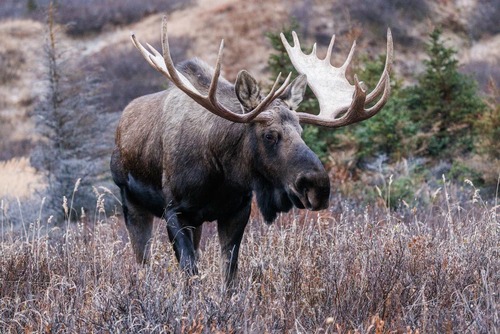
Wyoming, US
You might spot Moose, Black Bear, and Sticky Geranium.
View guide →

British Columbia, CA
You might spot Shinyleaf Meadowsweet, Northern Checkerspot, and Fireweed.
View guide →
Take the discovery with you
Snap it with Snappit to identify it, learn what makes it special, and add the discovery to your collection.







.jpg&width=800)


_001.jpg&width=800)



