





checkerbloom
Sidalcea malviflora
Checkerbloom is a beautiful flower with bright pink petals that look like little cups. It grows in sunny places and attracts butterflies and bees, making gardens colorful and lively.
Habitat: Grasslands
The checkerbloom has vibrant, cup-shaped flowers that range from pink to purplish-magenta. Its petals often display darker veins, creating a delicate checkerboard-like pattern. These showy blooms cluster atop slender, upright stems.
Category
PlantsRarity
Common
Danger
1/5 · Very low
Snaps
5
Its name comes from the unique, faint checkerboard pattern often seen on its petals!
Native to sunny California, it loves growing in open meadows and woodland edges.
Some people call it "false mallow" because its beautiful flowers resemble hibiscus.
This adaptable plant can grow in many soil types, from sandy to clay!
Checkerbloom can grow deep roots that help it find water in dry soils, helping it survive in tough places.
Checkerbloom has brightly colored petals and nectar that attract bees and butterflies, helping it reproduce.
Checkerbloom can quickly regrow after being grazed by animals or cut back, helping it recover and thrive.

Bombus melanopygus
collects nectar and pollen
Vanessa cardui
visits flowers for nectar
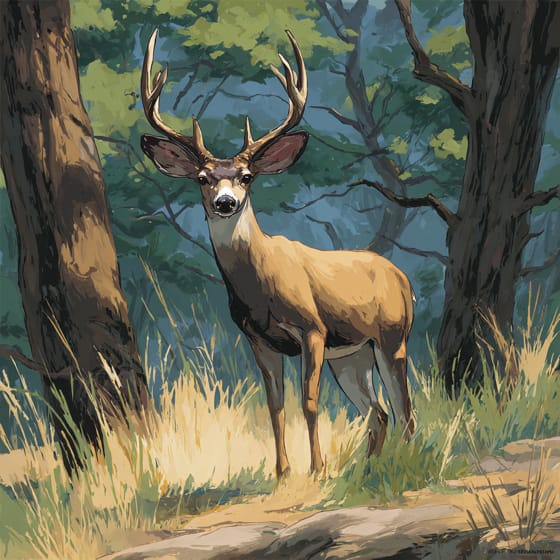
Odocoileus hemionus
browses on the foliage
Rhizophagus irregularis
improves nutrient uptake in roots
Flowering plants are any plants that produce flowers as part of their reproductive cycle.
Spring blooming plants produce their flowers during the spring season, often signifying the end of winter and the start of new growth.
Fragrant flowers emit a pleasant aroma, often to attract pollinators or for defense.
Drought-tolerant plants can survive and flourish in conditions with limited water availability.

Colorful describes organisms or objects displaying a wide range of bright and distinct colors.

Grassland habitats are terrestrial biomes dominated by grasses and herbaceous plants, supporting a variety of grazing animals.

Describes plants that are particularly attractive and beneficial to a wide range of pollinating organisms.
No aliases listed yet.
Danger
1/5 · Very low
Always look but don't pick flowers, so they can keep growing for everyone to enjoy!
The easiest way to identify checkerbloom is to use the Snappit nature identifier app.
30-100 cm
30-60 cm
2-5 cm
Late_spring_to_summer
Yes
None
Perennial
Zoom in to split clusters and explore where this object has been snapped.

California, US
You might spot Checkerbloom and Fuchsiaflower Gooseberry.
View guide →

California, US
You might spot Western Fence Lizard and Pacific Hound's Tongue.
View guide →

California, US
You might spot Douglas's Ground Squirrel and Button's Banana Slug.
View guide →
.jpg)
California, US
You might spot California Phacelia and Twinberry Honeysuckle.
View guide →
Take the discovery with you
Snap it with Snappit to identify it, learn what makes it special, and add the discovery to your collection.








.jpg&width=800)


_001.jpg&width=800)




