





Valerian
Valerianaceae
Valerian is a fragrant plant with pretty pink or white flowers. It is known for its calming scent and is loved by butterflies and bees.
Habitat: Grasslands
The Valerian has tall, upright stems reaching up to 2 meters, topped with dense clusters of tiny, fragrant white or pale pink flowers. Its leaves are deeply divided into many toothed leaflets, creating a feathery appearance distinct from simpler-leaved garden plants.
Category
PlantsRarity
Common
Danger
1/5 · Very low
Snaps
Be the first to snap!
Ancient Greeks used Valerian as a perfume and medicine.
Cats go wild for Valerian's smell, much like catnip!
Its name comes from the Latin "valere," meaning "to be strong."
Valerian was once hung in homes to ward off lightning!
Valerian has a strong, unique scent from its flowers that acts like a beacon, helping nocturnal moths find it in the dark to spread its pollen.
Valerian can produce special compounds in its roots that help calm animals and humans, making it famous for its relaxing properties.
Valerian has creeping rhizomes (underground stems) that help it spread and grow new plants nearby, even without seeds, creating strong colonies.
Apis mellifera
Collects nectar and pollen from flowers.
Agrius convolvuli
Attracted by strong night-time floral scent.
Vanessa cardui
Feeds on nectar from the abundant flowers.
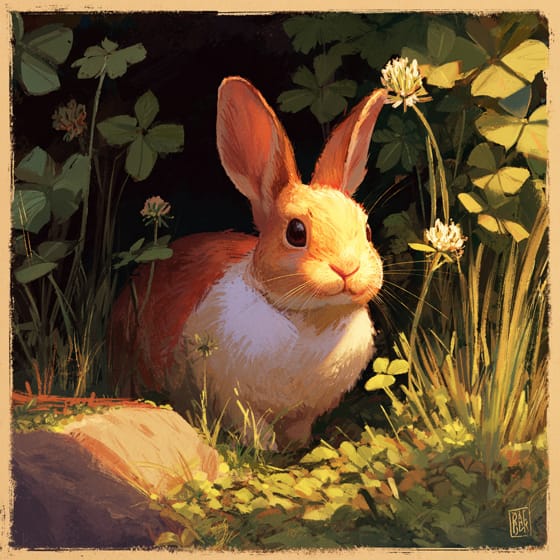
Oryctolagus cuniculus
May browse on leaves and young stems.
Perennial plants live for more than two years, typically returning to grow and bloom each year from their roots.
Fragrant flowers emit a pleasant aroma, often to attract pollinators or for defense.
Medicinal plants possess chemical compounds that can be used for therapeutic purposes to treat illnesses or maintain health.
Grassland habitats are terrestrial biomes dominated by grasses and herbaceous plants, supporting a variety of grazing animals.

This trait characterizes organisms with an exceptionally long lifespan compared to others of their kind.

Describes organisms that transfer pollen, enabling the fertilization and reproduction of plants.
No aliases listed yet.
Danger
1/5 · Very low
Enjoy looking at Valerian plants but avoid picking or eating them without adult supervision.
The easiest way to identify Valerian is to use the Snappit nature identifier app.
100-200 cm
30-60 cm
0.2-0.5 cm
Summer
Yes
Mild
Perennial
Zoom in to split clusters and explore where this object has been snapped.
Recent snaps will appear here as new observations are added.
Take the discovery with you
Snap it with Snappit to identify it, learn what makes it special, and add the discovery to your collection.









.jpg&width=800)


_001.jpg&width=800)



