





Vancouver Bumble Bee
Bombus vancouverensis
The Vancouver Bumble Bee is a fuzzy little insect that loves to buzz around flowers. They help plants grow by spreading pollen, making them super important for nature!
Habitat: Urban areas
The Vancouver Bumble Bee is a medium-sized, fuzzy bee with a distinct pattern of black and bright yellow bands across its body. It has a notable reddish-orange patch on the tip of its abdomen. This coloring helps differentiate it from other dark bumble bees in its range.
Category
InsectsRarity
Common
Danger
1/5 · Very low
Snaps
5
Queen Vancouver Bumble Bees hibernate alone underground all winter before starting a new colony.
These busy bees visit hundreds of flowers daily, helping plants grow fruits and seeds!
They have long tongues, perfect for sipping nectar from deep inside many different kinds of flowers.
Unlike honey bees, Vancouver Bumble Bees make only small amounts of honey, just enough for their colony.
Vancouver Bumble Bee can vibrate its flight muscles to shake pollen out of flowers, like a mini earthquake, because it helps them collect more food.
Vancouver Bumble Bee has a fuzzy body that traps warmth and helps it fly in cooler weather, giving it an advantage over many other insects.
Vancouver Bumble Bee can remember the best flower patches and efficient routes because it helps them find food quickly for the colony.
They drink sugary nectar for energy and gather protein-rich pollen to feed their growing family.

Trifolium pratense
Vital for the plant's seed production.
Lupinus polyphyllus
Helps these tall flowers produce new seeds.
Misumena vatia
An ambush predator hidden in flowers.

Bombus insularis
Lays its eggs in the Vancouver Bumble Bee's nest.
Furry describes animals possessing a dense covering of soft hair or fur.
Social animals live in organized groups, cooperating for survival benefits such as foraging, defense, and raising offspring.
This trait characterizes organisms whose diet consists entirely or primarily of plant material.
Describes plants that are particularly attractive and beneficial to a wide range of pollinating organisms.

Diurnal animals are primarily active during daylight hours, typically resting or sleeping at night.

Describes a species whose presence and role have a disproportionately large effect on its environment.

This habitat trait indicates species that can coexist with humans in urban and suburban environments, utilizing man-made structures and green spaces.

Describes organisms that transfer pollen, enabling the fertilization and reproduction of plants.
No aliases listed yet.
Danger
1/5 · Very low
Bumble bees are usually friendly, but it's best to watch them from a distance.
The easiest way to identify Vancouver Bumble Bee is to use the Snappit nature identifier app.
15-40 mm
9-20 mm
15-45 days
10-20 km/h
They drink sugary nectar for energy and gather protein-rich pollen to feed their growing family.
Urban areas
Foraging
Zoom in to split clusters and explore where this object has been snapped.

Montana, US
You might spot Sticky Geranium, White-Tailed Deer, and Common Toadflax.
View guide →

Montana, US
You might spot Field Crescent, Thimbleberry, and Baker's Mariposa Lily.
View guide →

Montana, US
You might spot Western Toad and Mountain Lady's-Slipper.
View guide →

British Columbia, CA
You might spot Broad-Leaved Stonecrop, Harbor Seal, and Ochre Sea Star.
View guide →
British Columbia, CA
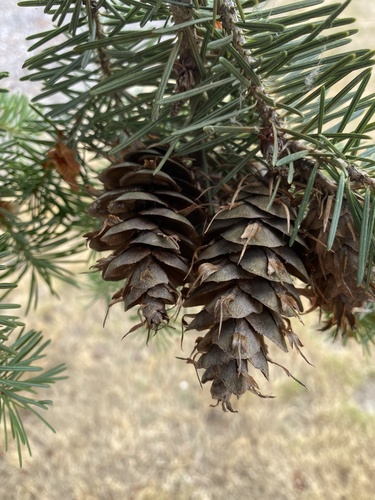
You might spot Douglas Fir, Purple Foxglove, and Oregon Oak.
View guide →
British Columbia, CA
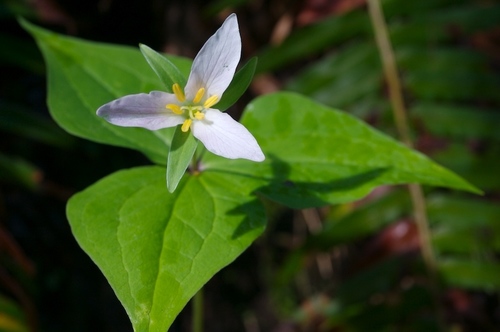
You might spot Pacific Trillium, Vanilla Leaf, and Japanese Knotweed.
View guide →
Take the discovery with you
Snap it with Snappit to identify it, learn what makes it special, and add the discovery to your collection.






.jpg&width=800)



