Douglas Fir
Nestled on the western side of picturesque Salt Spring Island, Burgoyne Bay Provincial Park offers a serene escape into a landscape rich with ecological diversity and breathtaking vistas.
Nestled on the western side of picturesque Salt Spring Island, Burgoyne Bay Provincial Park offers a serene escape into a landscape rich with ecological diversity and breathtaking vistas. This cherished park is celebrated for being the largest undeveloped bay in the Southern Gulf Islands, boasting a critical salmon-bearing estuary—a rarity that underscores its ecological significance. Visitors are treated to stunning views across Sansum Narrows towards Vancouver Island, making it an ideal destination for those seeking tranquility, natural beauty, and a deeper connection with the wild heart of British Columbia.
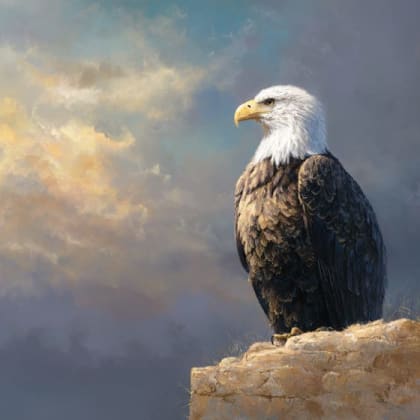
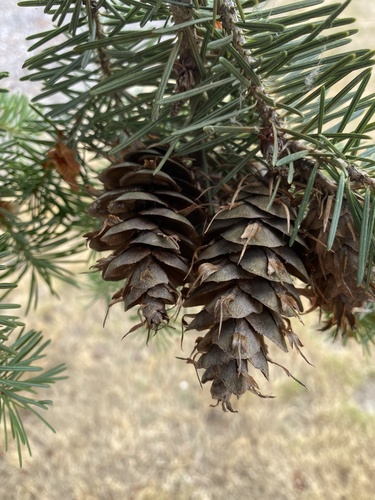
The park is a vibrant tapestry of diverse ecosystems, from the delicate beauty of Garry oak meadows to towering Douglas-fir forests, along with rocky shorelines and expansive open grasslands. As you explore its trails, you might encounter iconic native flora such as the stately Douglas-fir, the distinctive Pacific madrone, and the lush western sword fern. The park is also a haven for wildlife, where keen observers can spot Bald Eagles soaring overhead, Mule Deer gracefully traversing the terrain, and perhaps even a Northern Red-legged Frog near wetlands.
Burgoyne Bay Provincial Park is more than just a collection of trails and scenic points; it's an experience that weaves together natural splendor, opportunities for outdoor recreation, and a rich cultural heritage. Whether you're hiking to Daffodil Point in spring to witness a carpet of yellow blooms, kayaking along the pristine shoreline, or simply soaking in the views of Mount Maxwell and Baynes Peak, the park promises memorable moments. Its commitment to preserving sensitive habitats and offering low-impact recreational activities makes it an invaluable gem for families, wildlife enthusiasts, and anyone looking to immerse themselves in the tranquil allure of the Gulf Islands. Turn your visit into a safari! Use the Snappit app to scan and log wildlife sightings here.
For thousands of years, the Burgoyne Valley has held profound significance for First Nations people, who utilized its abundant fish, plants, and wildlife, leaving behind documented archaeological sites and areas of spiritual importance connected to the Hul'qumi'num creation story. The land later saw various transformations, from a cattle ranch established by early settlers to a logging operation in the mid-20th century. A pivotal moment occurred in 1999 when a public outcry against clear-cutting led to a successful campaign by island residents, resulting in the land's acquisition by a coalition of governments and environmental groups. This collective effort led to its designation as a Class A provincial park in 2004, with a comprehensive management plan finalized in 2015 that laid out trails and visitor amenities. Today, the park continues to evolve with ongoing wetland restoration efforts in partnership with the Stqeeye' Learning Society, aiming to restore ecosystems to a more natural state and enhance habitat for endangered wetland species.
Hiking: Explore a network of trails ranging from easy to moderate, with connections to Mount Maxwell Provincial Park for more challenging routes.
Wildlife Viewing: Look for birds like Bald Eagles, Turkey Vultures, and Belted Kingfishers, as well as Mule Deer and Harbor Seals.
Photography: Capture stunning landscapes, diverse flora, and wildlife.
Kayaking: A public kayak launch allows for roof-top boat access; vehicles must be moved to designated parking after launching.
Horseback Riding: Permitted along park roads.
Foreshore Exploration: Explore the beach and tidal flats, especially at low tide.
Spring: Vibrant daffodil displays, active birdlife, Northern Red-legged Frog may be more visible. Annual mowing of agricultural fields may occur late spring/early summer, causing temporary disruptions.
Fall: Autumn colors in the bigleaf maple and other deciduous trees, potentially good for bird migration.
Some paths are generally accessible, particularly shorter trails. However, some trails connecting to Mount Maxwell can be challenging. Note that recent advisories indicate some trails may be closed due to landslides and washouts. The park has designated upper parking areas for kayak launch access.
A seasonal highlight in spring with abundant daffodil blooms.
Panoramic vistas of Sansum Narrows, Mount Maxwell, Baynes Peak, and Vancouver Island.
Remnants of the area's agricultural history, including a fieldstone and wood shed and a root cellar.
A unique and ecologically vital feature.
Each card links to a full Explore page with photos, traits, and fun facts.
Start with the big picture, then zoom in to explore individual wildlife observations around this place.
Pack Out What You Pack In
There are no garbage facilities available, so be prepared to carry out all your waste to maintain the park's pristine condition.
Check Trail Conditions
Before visiting, especially after heavy rain, check the BC Parks advisories. Some trails, like #20 and #22, have recently been closed due to landslides and washouts.
Visit in Spring for Daffodils
For a truly spectacular sight, plan your visit in May to see the thousands of daffodils blooming at Daffodil Point.
Explore the Foreshore at Low Tide
Take advantage of low tide to explore the intertidal zone, but be mindful of timing to avoid getting stranded.
Wear Appropriate Footwear
Trails vary in difficulty; sturdy, waterproof hiking shoes are recommended, especially for longer hikes or uneven terrain.
Be Aware of Wetland Restoration
BC Parks is partnering with the Stqeeye' Learning Society on wetland restoration projects, so you may encounter ecological restoration work in various locations within the park.
Dec 23, 2025
Oct 16, 2025
Sep 26, 2025
Aug 27, 2025
Aug 27, 2025

Maryland, US
You might spot White-Tailed Deer and Eastern Gray Squirrel.
View guide →
.jpg)
District of Columbia, US
You might spot Eastern Gray Squirrel, Duck, and House Sparrow.
View guide →

Illinois, US
You might spot American Robin, Canada Goose, and House Sparrow.
View guide →

Virginia, US
You might spot Spotted Lanternfly and Northern Cardinal.
View guide →
Take the discovery with you
Identify the wildlife you spot, learn as you go, and keep a collection of the adventure.