





Veiny Pea
lathyrus venosus
The Veiny Pea is a fun and colorful plant that grows in the wild! Its unique veined leaves and beautiful flowers make it a special plant to discover in nature.
Habitat: Fields, roadsides, and open areas.
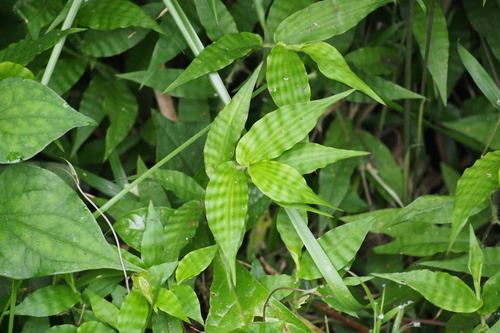
The Veiny Pea is a vibrant climbing vine, reaching upwards with its distinctively ribbed, oval leaves. Its showy purple-pink flowers bloom in clusters, each petal often displaying darker veins, making it stand out from typical green foliage.
Category
PlantsRarity
Common
Danger
0/5 · No known danger
Snaps
1
Its scientific name, 'Lathyrus venosus', means "veined pea," a nod to its prominent leaf veins!
Native American tribes historically used parts of this pea plant for various traditional purposes.
The flowers often change color slightly as they age, deepening from purplish-pink to a bluer hue!
This plant is a wild cousin of the garden sweet pea, sharing a similar, beautiful flower shape.
Veiny Pea can grab onto nearby plants or structures with its clever tendrils that help it climb skyward for sunlight.
Veiny Pea has special root nodules that house tiny helpers to pull nitrogen from the air, making the soil richer for itself.
Veiny Pea can pop open its dry seed pods to scatter seeds far away, helping new plants grow in different places.
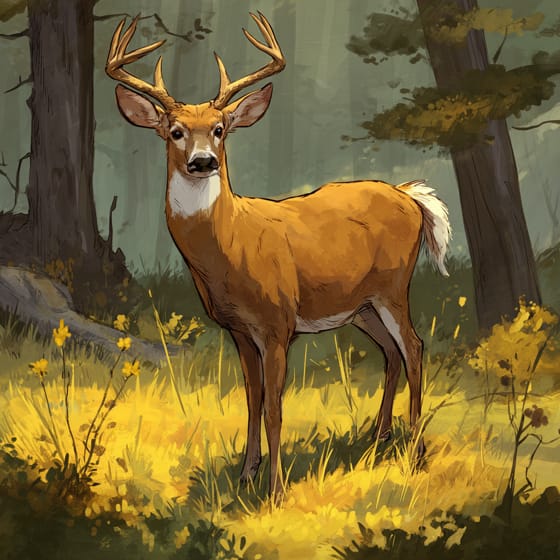
Odocoileus virginianus
Graze on its foliage.

Bombus impatiens
Visits flowers for nectar and pollen.
Rhizobium leguminosarum
Shares nitrogen with root nodules.

Celastrina neglecta
Larvae feed on its leaves and flowers.
Solitary animals live alone for most of their lives, only interacting with others for mating or parental care.
Colorful describes organisms or objects displaying a wide range of bright and distinct colors.
Grassland habitats are terrestrial biomes dominated by grasses and herbaceous plants, supporting a variety of grazing animals.
This trait characterizes organisms whose diet consists entirely or primarily of plant material.

Describes organisms that transfer pollen, enabling the fertilization and reproduction of plants.
Danger
0/5 · No known danger
No special safety notes yet.
The easiest way to identify Veiny Pea is to use the Snappit nature identifier app.
90-180 cm
1-2 cm
Spring to summer
No
Mild
Perennial
Insect
Zoom in to split clusters and explore where this object has been snapped.
Take the discovery with you
Snap it with Snappit to identify it, learn what makes it special, and add the discovery to your collection.










.jpg&width=800)



_001.jpg&width=800)




