





compass plant
Silphium laciniatum
The compass plant is a tall, bright yellow flower that grows in prairies. Its leaves point north and south, helping people find their way in nature!
Habitat: Grasslands
The compass plant is a tall, coarse-textured prairie perennial with robust stems and large, deeply lobed leaves. It produces striking yellow, daisy-like flower heads up to 10 cm across, often found solitary or in small clusters at the top of its sturdy stalks.
Category
PlantsRarity
Common
Danger
1/5 · Very low
Snaps
17
Even after a prairie fire, compass plants often sprout back quickly, thanks to their deep roots that survive underground!
It's a 'living fossil' of the ancient prairies, often growing in the same spots for decades and supporting many creatures.
Its unique leaves were once used by early pioneers as a natural compass to find their way across vast prairies!
The plant's scientific name, Silphium, comes from an ancient Greek plant that produced a valuable resin, similar to its sticky sap.
The compass plant can orient its large, deeply lobed leaves to align mostly north and south, minimizing sun exposure during the hottest part of the day.
Compass plant has a massive taproot that can grow over 15 feet deep, helping it reach water far underground and survive droughts.
When its stem is broken, the compass plant releases a sticky resin that helps heal wounds and deters herbivores from further damage.
Apis mellifera
Gathers nectar and pollen
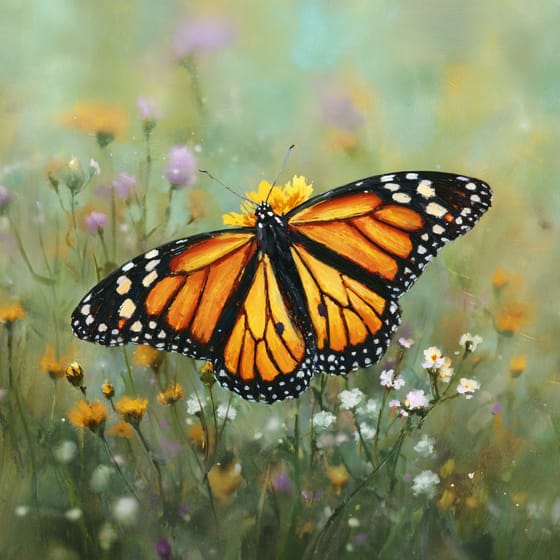
Danaus plexippus
Feeds on nectar from flowers
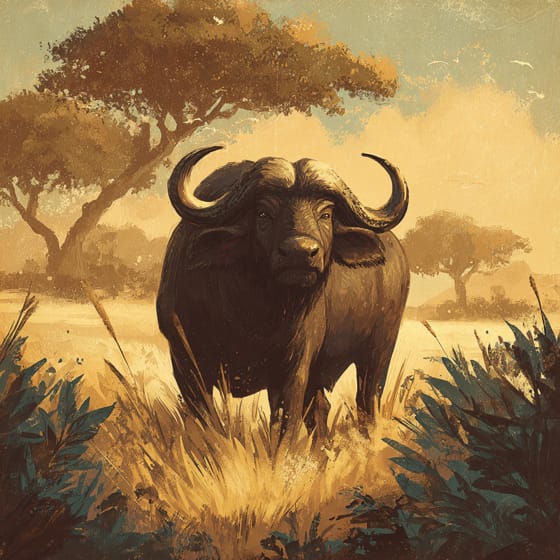
Bison bison
Historically grazed on leaves
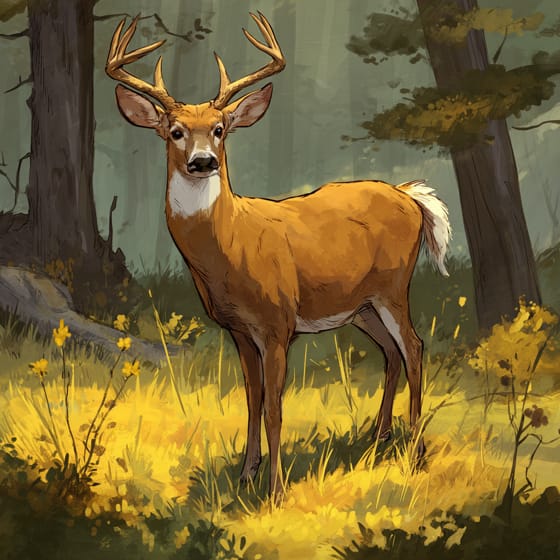
Odocoileus virginianus
Browses on young leaves
Flowering plants are any plants that produce flowers as part of their reproductive cycle.
Summer blooming plants produce their flowers during the summer season, often providing vibrant color when many other plants have finished.
Grassland habitats are terrestrial biomes dominated by grasses and herbaceous plants, supporting a variety of grazing animals.
Describes plants that are particularly attractive and beneficial to a wide range of pollinating organisms.

This trait characterizes organisms with an exceptionally long lifespan compared to others of their kind.

Giant describes organisms or objects of significantly larger size than average for their species or type.

Describes organisms that transfer pollen, enabling the fertilization and reproduction of plants.
Danger
1/5 · Very low
Always look but don't touch plants unless you know they are safe.
The easiest way to identify compass plant is to use the Snappit nature identifier app.
150-300 cm
60-120 cm
5-10 cm
Summer to early Fall
Yes
None
Perennial
Zoom in to split clusters and explore where this object has been snapped.

Illinois, US
You might spot Common Eastern Bumble Bee and Brown-Belted Bumble Bee.
View guide →

Wisconsin, US
You might spot Turkey, White-Tailed Deer, and Dame's Rocket.
View guide →

Illinois, US
You might spot Viceroy, Common Wood-Nymph, and Acadian Hairstreak.
View guide →

Illinois, US
You might spot American Robin, Canada Goose, and House Sparrow.
View guide →

Illinois, US
You might spot American Robin, Monarch, and Duck.
View guide →

Wisconsin, US
You might spot Eastern Forktail and Brown-Belted Bumble Bee.
View guide →
Take the discovery with you
Snap it with Snappit to identify it, learn what makes it special, and add the discovery to your collection.








.jpg&width=800)



_001.jpg&width=800)



