




Carolina snailseed
Nephroia carolina
Carolina snailseed is a climbing plant with pretty leaves and small, round seeds. It grows in warm places and can be found winding around other plants.
Habitat: Forests
The Carolina snailseed is a slender, woody vine with heart-shaped to lobed green leaves. It produces tiny, inconspicuous greenish-white flowers that transform into clusters of bright red, pea-sized berries in autumn. Its distinctive seeds are kidney-shaped, resembling miniature snail shells.
Category
PlantsRarity
Common
Danger
1/5 · Very low
Snaps
8
Did you know its seeds look *exactly* like tiny snail shells, giving the plant its name?
Its small red berries might look tasty, but they are generally not safe for humans to eat!
Some gardeners use it for shade, growing it over trellises and arbors!
This vine loves to hug other plants, twining its way up towards the sunny sky!
Carolina snailseed can twist its flexible stem around trees and fences to climb high, reaching crucial sunlight in dense areas.
Carolina snailseed has unique kidney-shaped seeds that mimic tiny snail shells, which helps identify this clever plant.
Carolina snailseed produces bright red berries that attract birds, which then help spread its seeds far and wide.
Apis mellifera
Collects nectar and pollen from its small flowers.
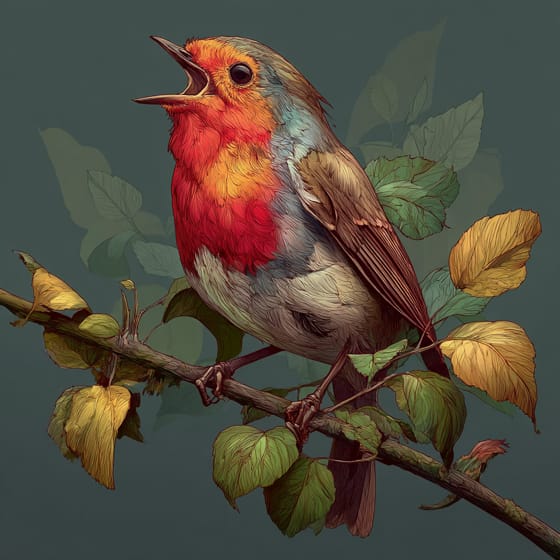
Turdus migratorius
Eats the bright red berries, dispersing seeds.
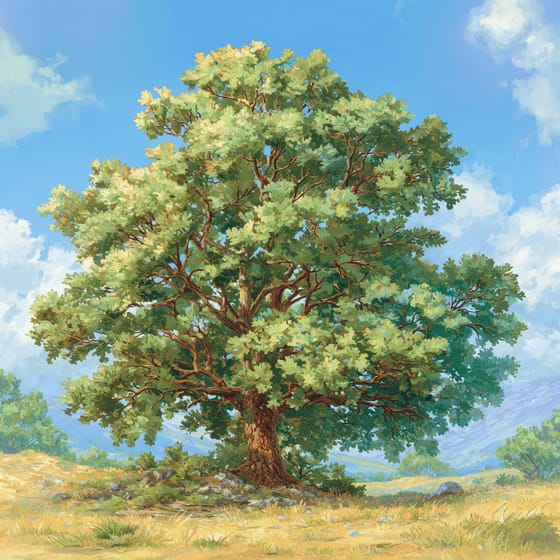
Quercus alba
Climbs on trees for physical support to reach sunlight.
Climbing or vine plants are characterized by a growth habit that allows them to ascend upwards by twining, tendrils, or adhesive roots.
Flowering plants are any plants that produce flowers as part of their reproductive cycle.
Fruit-bearing plants produce fruits, which are the mature ovaries of flowering plants containing seeds.
Fall color refers to the seasonal change in foliage pigmentation, primarily in deciduous plants, displaying vibrant hues.

Describes plants that are particularly attractive and beneficial to a wide range of pollinating organisms.

Forest habitats are terrestrial environments dominated by dense tree cover, supporting a high diversity of plant and animal life.
No aliases listed yet.
Danger
1/5 · Very low
Always look but don't touch plants unless a grown-up says it's okay.
The easiest way to identify Carolina snailseed is to use the Snappit nature identifier app.
300-600 cm
0.3-0.5 cm
Summer
No
Mild
Perennial
Insect
Zoom in to split clusters and explore where this object has been snapped.

Alabama, US
You might spot American Beautyberry, White-Tailed Deer, and Peppervine.
View guide →

South Carolina, US
You might spot Great Blue Heron, Spanish Moss, and Cahaba Lily.
View guide →

Tennessee, US
You might spot American Robin, Northern Cardinal, and Eastern Chipmunk.
View guide →

Texas, US
You might spot Honey Mesquite, Anacua, and Alamo Vine.
View guide →

Alabama, US
You might spot Dwarf Palmetto and Sensitive Fern.
View guide →

South Carolina, US
You might spot Butterfly Pea, Red-Tailed Hawk, and Northern Cardinal.
View guide →
Take the discovery with you
Snap it with Snappit to identify it, learn what makes it special, and add the discovery to your collection.







.jpg&width=800)



_001.jpg&width=800)




