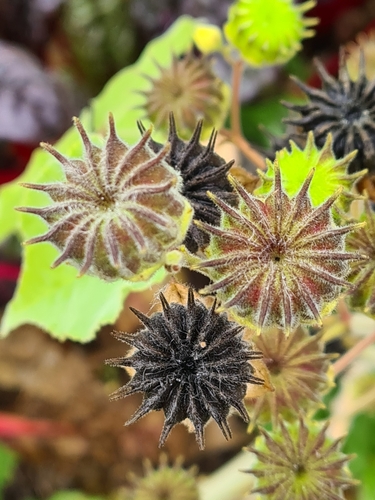


Velvetleaf
abutilon theophrasti
Velvetleaf (Abutilon theophrasti) is a tall, erect annual plant in the mallow family, native to southern Asia. It is widely recognized in North America and Europe as an aggressive agricultural weed that invades corn, soybean, and cotton fields, causing significant crop yields losses due to its rapid growth and competitive nature. Despite its reputation as an unwanted weed, velvetleaf has a rich history in Asia, where it has been cultivated for thousands of years for its tough stem fibers, which are used to make rope, paper, and coarse cloth.
Habitat: Commonly found in cultivated agricultural fields, disturbed soils, roadsides, gardens, and waste areas where sunlight is abundant.
Growing up to 2.5 meters tall, velvetleaf features stout, branching stems covered in fine, velvety hairs. Its most distinctive feature is its large, heart-shaped leaves, which can reach 15 to 20 cm in width and are incredibly soft to the touch. In the summer, small, five-petaled, yellow-to-orange flowers emerge from the leaf joints. These blooms are followed by unique cup-shaped seed capsules composed of 12 to 15 hairy, spine-tipped segments arranged in a ring, resembling a miniature pie crust or a button.
Category
PlantsRarity
Common
Danger
1/5 · Very low
Snaps
5
A single velvetleaf plant can produce up to 17,000 seeds, helping it rapidly colonize fields once established.
Its seeds are so tough that they can pass through the digestive tracts of grazing livestock unscathed and still germinate successfully in manure.
The seed pods are often referred to as 'butterprints' or 'buttonweeds' because their circular, textured shape mimics historical wooden butter stamps.
Its seeds possess a hard coat that allows them to remain viable in the soil for 50 years or more, waiting for favorable conditions to emerge.
It releases chemical compounds from its roots and decaying tissue that inhibit the germination and growth of neighboring plants.
It grows incredibly fast, positioning its broad leaves to block sunlight from reaching and competing with neighboring vegetation.
As an autotrophic plant, velvetleaf generates its own energy through photosynthesis, converting sunlight, water, and carbon dioxide into sugars while absorbing essential minerals from the soil.
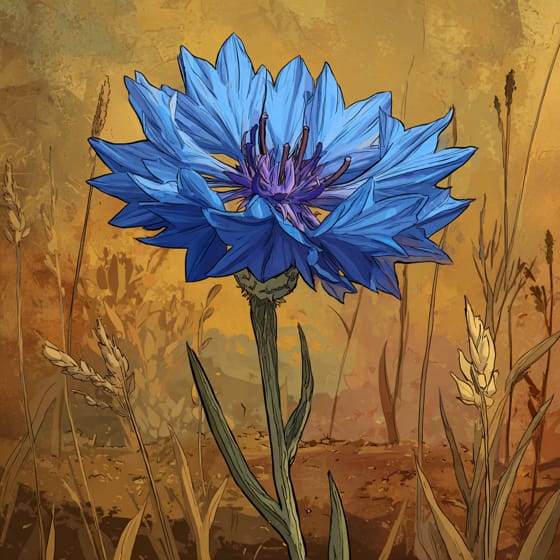
Zea mays
Competes fiercely for soil nutrients, moisture, and sunlight in domestic crop fields.
Niesthrea louisianica
The bugs feed specifically on the developing seeds of velvetleaf, significantly reducing the plant's reproductive output.
Apis mellifera
Bees visit the bright yellow flowers to gather nectar and pollen, acting as effective pollinators.
No trait badges are assigned for this object yet.
No aliases listed yet.
Collections for this object will appear here as more themes are added.
Danger
1/5 · Very low
No special safety notes yet.
The easiest way to identify Velvetleaf is to use the Snappit nature identifier app.
100+ cm
0.1+ kg
1+ years
As an autotrophic plant, velvetleaf generates its own energy through photosynthesis, converting sunlight, water, and carbon dioxide into sugars while absorbing essential minerals from the soil.
Commonly found in cultivated agricultural fields, disturbed soils, roadsides, gardens, and waste areas where sunlight is abundant.
Zoom in to split clusters and explore where this object has been snapped.

Wisconsin, US
You might spot White-Tailed Deer, American Robin, and Canada Goose.
View guide →

New York, US
You might spot Bald Eagle, Common Reed, and Ring-Billed Gull.
View guide →

New York, US
You might spot Italian Wall Lizard, Black Swallowtail, and American Robin.
View guide →

New York, US
You might spot Pine Grosbeak, Hydrangea Leaftier Moth, and Brown Trout.
View guide →

Maine, US
You might spot Purple Pitcher Plant and American Toad.
View guide →

Illinois, US
You might spot Canada Goose, Common Milkweed, and Wild Bergamot.
View guide →
Take the discovery with you
Snap it with Snappit to identify it, learn what makes it special, and add the discovery to your collection.











.jpg&width=800)



_001.jpg&width=800)




