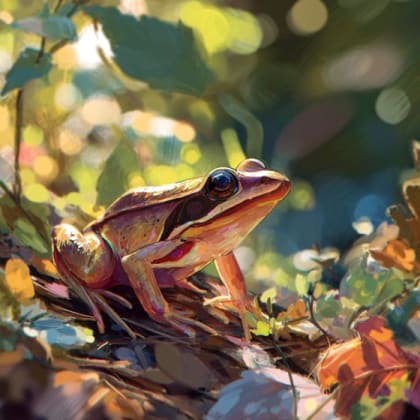
Brown Trout

Salem Historic District transports visitors to a beautifully preserved 18th and 19th-century New York village.
Salem Historic District transports visitors to a beautifully preserved 18th and 19th-century New York village. This 22-acre expanse, nestled in the heart of Salem, New York, is a designated historic district recognized for its significant collection of architecture. Comprising 79 buildings, many dating from the 19th and early 20th centuries, it offers a tangible connection to the past of what is possibly Washington County's oldest continuously inhabited village and one of the state's earliest to incorporate.
The district showcases a remarkable array of architectural styles, including Georgian, Federal, Greek Revival, Queen Anne, Gothic Revival, Victorian Gothic, and Colonial Revival. Visitors can admire prominent landmarks such as the Judge Blanchard House, the village's oldest surviving residence exhibiting strong Georgian influences, and the First Presbyterian Church, a prime example of Greek Revival architecture with its full-height Doric columns. The ornate brick and stucco Proudfit Building, serving as the village hall, public library, and a theater, also stands as a central feature.
Exploring the Salem Historic District is like stepping back in time, offering a charming glimpse into early American life and architectural artistry. It's an ideal destination for those seeking a tranquil walk through history, where each building tells a story of Salem's development. Beyond its historical appeal, the surrounding area offers local shops, art galleries, and eateries, making it a delightful and memorable experience for history buffs and casual visitors alike. Turn your visit into a safari! Use the Snappit app to scan and log wildlife sightings here.
Salem was first settled around 1761 by pioneers from Pelham, Massachusetts, making it one of the earliest settlements in Washington County. The area played a role in the Revolutionary War, with an unfinished wooden church incorporated into Fort Salem in 1777 to protect women and children, though it was later burned by Loyalists and Native Americans. The village was formally incorporated in 1803, marking it as one of the first in New York State to do so. A significant fire in 1840 destroyed many of the early buildings and historical records, yet the structures that survived have been well-preserved. In 1975, the Salem Historic District was officially recognized for its architectural and historical significance and listed on the National Register of Historic Places. While the village of Salem dissolved in 2016, its rich history and architectural heritage continue to define the area.
Take a self-guided walking tour along Main Street and Broadway, admiring the diverse architectural styles. Explore local gift shops, antique stores, and art galleries. Consider attending a performance at the Fort Salem Theater, housed in the historic New England Presbyterian Church.
Summer and spring bring vibrant greenery and opportunities to visit local farmer's markets. Fall showcases beautiful foliage around the historic buildings. Winter offers a quieter, picturesque experience, though some local businesses might have reduced hours.
The district's main thoroughfares, Main Street and Broadway, are public roads suitable for walking. Visitors should be prepared for walking several blocks. While specific ADA accessibility details for each historic building are not broadly available, the general street layout is pedestrian-friendly.
Don't miss the Judge Blanchard House (1790), the oldest house in the village, or the First Presbyterian Church, a striking example of Greek Revival design. The Proudfit Building, an ornate 1890 structure housing the village hall and library, is also a must-see. The Revolutionary War Cemetery is another significant historical site.
Each card links to a full Explore page with photos, traits, and fun facts.
Start with the big picture, then zoom in to explore individual wildlife observations around this place.
Wear comfortable shoes
You'll be doing a fair amount of walking to fully explore the district's charming streets and discover its hidden gems.
Bring a camera
The diverse and well-preserved architecture provides ample photographic opportunities, from intricate details to sweeping streetscapes.
Allow plenty of time
Don't rush your visit; take your time to read historical markers, appreciate the building details, and soak in the atmosphere.
Explore local businesses
The district is home to various shops, art galleries, and eateries that offer unique local products and experiences.
Check for events
Before your visit, look up local event calendars for the Town of Salem, especially during warmer months, as you might catch a farmer's market or local festival.
Visit the Revolutionary War Cemetery
This historic burial ground offers a poignant glimpse into Salem's past, housing the graves of numerous Revolutionary War soldiers.
Mar 7, 2026
Photo attribution
(c) Chelsea Carroll, some rights reserved (CC BY)
License: CC BY 4.0 ↗
Image may be shown cropped inside the card frame.
Mar 7, 2026
Photo attribution
(c) Chelsea Carroll, some rights reserved (CC BY)
License: CC BY 4.0 ↗
Image may be shown cropped inside the card frame.
Mar 7, 2026
Photo attribution
(c) Chelsea Carroll, some rights reserved (CC BY)
License: CC BY 4.0 ↗
Image may be shown cropped inside the card frame.
May 11, 2025
Photo attribution
(c) Chelsea Carroll, some rights reserved (CC BY)
License: CC BY 4.0 ↗
Image may be shown cropped inside the card frame.
Apr 9, 2023
Photo attribution
(c) Chelsea Carroll, some rights reserved (CC BY)
License: CC BY 4.0 ↗
Image may be shown cropped inside the card frame.

Maryland, US
You might spot White-Tailed Deer and Eastern Gray Squirrel.
View guide →
.jpg)
District of Columbia, US
You might spot Eastern Gray Squirrel, Duck, and House Sparrow.
View guide →

Illinois, US
You might spot American Robin, Canada Goose, and House Sparrow.
View guide →

Virginia, US
You might spot Spotted Lanternfly and Northern Cardinal.
View guide →
Take the discovery with you
Identify the wildlife you spot, learn as you go, and keep a collection of the adventure.