





velvet ash
Fraxinus velutina
The velvet ash is a beautiful tree with soft, velvety leaves. It grows tall and provides shade and homes for many animals. Its unique bark is smooth and gray, making it easy to spot!
Habitat: Forests
The velvet ash has distinctive twigs and leaf undersides covered in soft, fine hairs, giving it a velvety feel. Its compound leaves are bright green, turning brilliant yellow in fall, while the bark is furrowed gray and often develops diamond patterns.
Category
PlantsRarity
Common
Danger
1/5 · Very low
Snaps
1
In autumn, its leaves transform into a dazzling display of brilliant yellow, like sunshine!
Its tough wood was once used to make strong tools and even parts for wagon wheels!
Many desert creatures rely on its leaves and seeds for food and comforting shade.
This amazing tree can live for over 100 years, watching many generations pass by!
Velvet ash can survive long dry periods, thanks to its deep root system that helps it find water far underground.
This tree has special fuzzy leaves that help it reduce water loss and protect itself from intense desert sun.
Velvet ash grows quickly, allowing it to rapidly establish itself and start providing valuable shade and habitat.
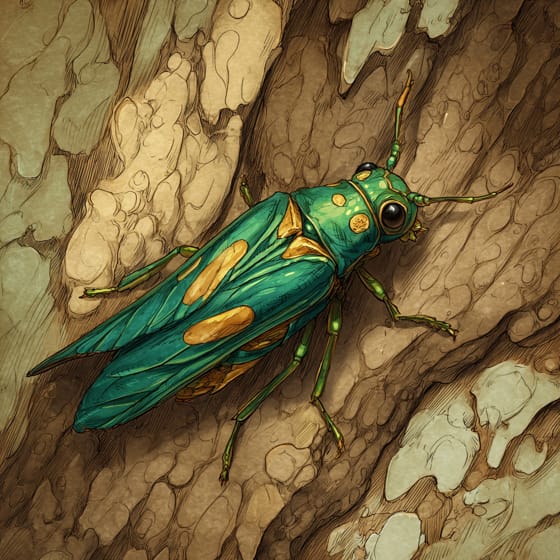
Agrilus planipennis
Larvae tunnel under bark, disrupting water and nutrient flow.

Sialia mexicana
Provides nesting sites and perches for various songbirds.
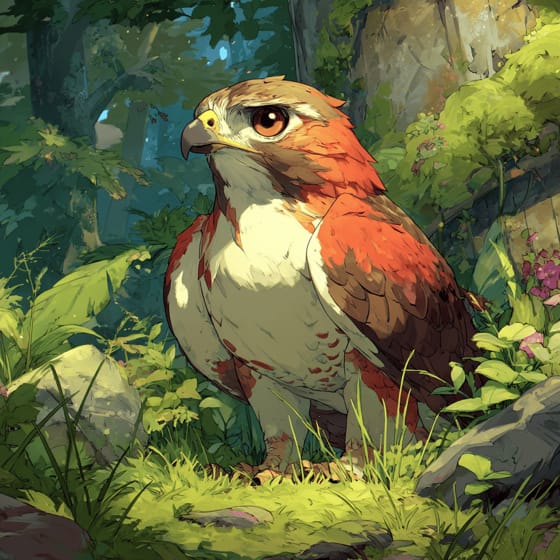
Buteo jamaicensis
Tall branches offer ideal perching and nesting spots for raptors.
Deciduous plants periodically shed all their leaves, typically during autumn or dry seasons.
Shade tolerant plants are adapted to grow and thrive in areas with low light levels, requiring less direct sunlight.
Broadleaf trees are angiosperms characterized by flat, wide leaves that are typically shed annually in temperate climates.
Fall color refers to the seasonal change in foliage pigmentation, primarily in deciduous plants, displaying vibrant hues.

Describes plants that are particularly attractive and beneficial to a wide range of pollinating organisms.
Timber refers to wood that has been prepared for use in building and carpentry.

Forest habitats are terrestrial environments dominated by dense tree cover, supporting a high diversity of plant and animal life.
No aliases listed yet.
Danger
1/5 · Very low
Stay on paths when exploring near trees and watch for falling branches.
The easiest way to identify velvet ash is to use the Snappit nature identifier app.
600-1500 cm
600-1200 cm
Spring
No
None
Perennial
Wind
Zoom in to split clusters and explore where this object has been snapped.
Take the discovery with you
Snap it with Snappit to identify it, learn what makes it special, and add the discovery to your collection.








.jpg&width=800)


_001.jpg&width=800)



