





Vivid Dancer
Argia vivida
The Vivid Dancer is a colorful dragonfly that loves to dance in the air. With its bright blue and green colors, it flits around ponds and streams, making it a beautiful sight to see!
Habitat: Wetlands
The Vivid Dancer is a slender damselfly, with males featuring striking iridescent blue bodies marked with black. Its large, widely separated eyes are typically dark, distinguishing it from many dragonflies, and its two pairs of clear wings are held together over its back.
Category
InsectsRarity
Common
Danger
1/5 · Very low
Snaps
16
Damselflies fold their wings back when resting, unlike dragonflies who hold them out!
Male Vivid Dancers are bright blue, but females can be tan, brown, or even green!
Their babies, called nymphs, live underwater for months or even years before transforming.
These tiny hunters help control mosquito populations by gobbling them up!
Vivid Dancer has enormous compound eyes that help them detect predators and tiny prey in almost every direction at once.
Vivid Dancer can fly with incredible agility, darting and hovering to catch small insects or escape from hungry birds.
Vivid Dancer nymphs possess feathery gills at the end of their abdomen, allowing them to breathe underwater.
These tiny hunters gobble up small flying insects, keeping pesky bugs away!
Age differences: Nymphs eat aquatic insect larvae and tiny invertebrates underwater.
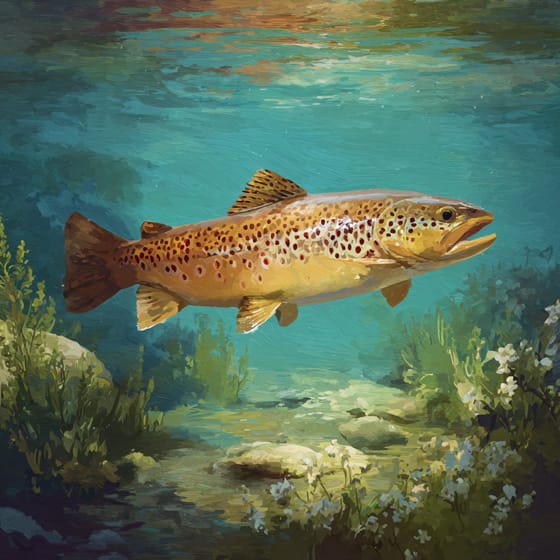
Salmo trutta
Fish eagerly snap up damselfly nymphs and adults.
Anas platyrhynchos
Ducks will eat damselflies near water sources.
Culex pipiens
Actively preys on mosquitoes, helping control populations.
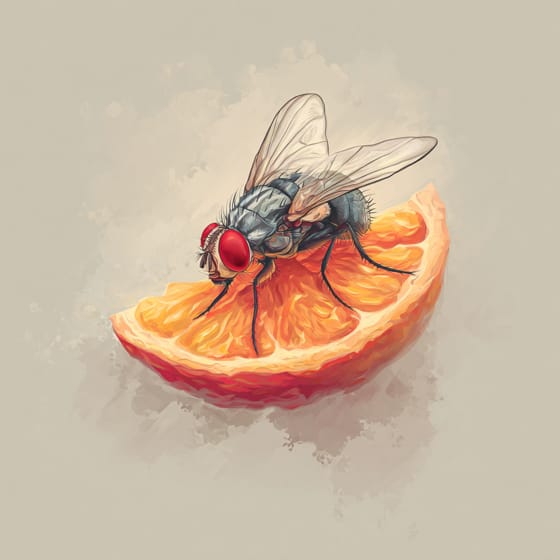
Drosophila melanogaster
Chases down and consumes small flying insects like fruit flies.
Aerial creatures spend a significant portion of their lives airborne, utilizing flight for various activities such as hunting, migration, or nesting.
Colorful describes organisms or objects displaying a wide range of bright and distinct colors.
This trait identifies organisms whose diet primarily consists of insects and other small invertebrates.
Describes plants that are particularly attractive and beneficial to a wide range of pollinating organisms.

This habitat trait identifies species found in wetlands, which are areas of land saturated with water, either permanently or seasonally, including marshes, swamps, and bogs.

Diurnal animals are primarily active during daylight hours, typically resting or sleeping at night.

Freshwater habitats include non-saline aquatic environments such as rivers, lakes, ponds, and wetlands, vital for numerous species.

This trait identifies organisms that exhibit exceptional swiftness in movement for hunting, escape, or travel.

Describes organisms that transfer pollen, enabling the fertilization and reproduction of plants.
No aliases listed yet.
Danger
1/5 · Very low
Be careful not to touch dragonflies; they are delicate and can fly away quickly.
The easiest way to identify Vivid Dancer is to use the Snappit nature identifier app.
50-70 mm
25-35 mm
20-60 days
8 km/h
These tiny hunters gobble up small flying insects, keeping pesky bugs away!
Wetlands
Pursuit
Zoom in to split clusters and explore where this object has been snapped.

California, US
You might spot Western Fence Lizard and California Brittlebush.
View guide →

California, US
You might spot White Globe Lily, Rose Campion, and Pipevine Swallowtail.
View guide →

California, US
You might spot Western Fence Lizard and Eastern Fox Squirrel.
View guide →

Oregon, US
You might spot Mule Deer, Song Sparrow, and Northern Yellow Warbler.
View guide →

Nevada, US
You might spot Engelmann's Hedgehog Cactus.
View guide →

California, US
You might spot Pipevine Swallowtail and Western Fence Lizard.
View guide →
Take the discovery with you
Snap it with Snappit to identify it, learn what makes it special, and add the discovery to your collection.








.jpg&width=800)



