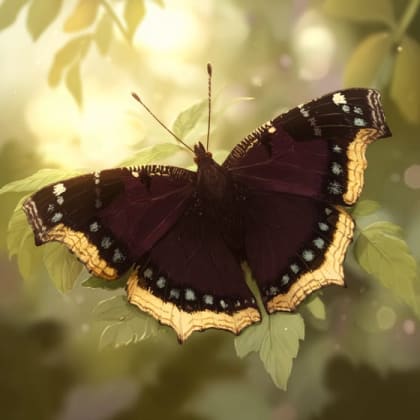
Pipevine Swallowtail

Discover California's native plant diversity at the Regional Parks Botanic Garden in Berkeley.
Discover California's native plant diversity at the Regional Parks Botanic Garden in Berkeley. This enchanting 10-acre botanical garden, nestled within Tilden Regional Park, is a tranquil living museum devoted exclusively to the native flora of California. It stands as a sanctuary for many of the state's rare and endangered plants, offering a unique opportunity to explore the vast botanical heritage of the Golden State without leaving the Bay Area.
The garden is ingeniously organized into sections, each meticulously recreating distinct natural habitats and plant communities found across California's diverse bioregions, from the towering Redwoods of the north to the arid landscapes of Southern California. Visitors can marvel at perhaps the most complete collections of California manzanitas (Arctostaphylos species) and wild lilacs (Ceanothus species) anywhere, alongside nearly all of the state's conifers and oaks. The collection also proudly features some 300 rare and endangered vascular plant taxa, such as the thriving Antioch primrose (Oenothera deltoides howellii) and Antioch wallflower (Erysimum capitatum angustatum).
More than just an educational display, the Regional Parks Botanic Garden is a serene escape where flowers bloom year-round, peaking spectacularly from spring through midsummer. Even in fall and winter, the garden delights with vibrant fruits, changing leaves, and colorful twigs, offering a continuous spectacle of nature's artistry. Its peaceful pathways winding through varied landscapes, alongside the soothing flow of Wildcat Creek, make it a memorable destination for nature lovers, photographers, and anyone seeking a deeper connection with California's natural beauty. Turn your visit into a safari! Use the Snappit app to scan and log wildlife sightings here.
The Regional Parks Botanic Garden was founded on January 1, 1940, within Tilden Regional Park in the Berkeley Hills. The concept originated in 1938 with Howard McMinn, a botany professor at Mills College, who envisioned a native plant botanical garden in Northern California. James B. Roof served as the garden's founding director, and much of its initial construction was carried out with the assistance of Works Progress Administration (WPA) crews. The garden's primary mission from its inception has been to create a beautiful and diverse landscape using only California native plants, focusing on the horticultural preservation of rare and endangered species with an eye toward their potential reintroduction to the wild.
Wander the numerous pathways, observe a wide array of native plants, and enjoy the tranquil atmosphere. Keep an eye out for local wildlife such as birds, butterflies, rabbits, and lizards. Free docent-led tours are available on Saturdays at 2 PM, and Sundays at 11 AM and 2 PM, and on holidays at 2 PM, departing from the Visitor Center. Picnics are welcome; visitors are asked to pack out their trash.
Spring and midsummer bring the most spectacular floral displays. In fall and winter, the garden showcases vibrant fruits, colorful twigs, and early bloomers like manzanita and pipevine.
The garden is partially accessible. While some premium display areas along level or gently sloping paths can be reached by most wheelchairs, the garden was built into a canyon and features many steep and narrow paths with varying surfaces, making an attendant advisable for wheelchair users. Accessible restrooms are located near the parking lot.
Explore diverse geographic sections representing California's ecosystems, including Redwood forests, Sierran high country, and Southern California deserts. Don't miss the extensive collections of manzanitas and wild lilacs, as well as the rare and endangered plant species section. The riparian corridor along Wildcat Creek, featuring scenic bridges, is also a beautiful area.
Each card links to a full Explore page with photos, traits, and fun facts.
Start with the big picture, then zoom in to explore individual wildlife observations around this place.
Wear comfortable shoes
** The garden features varied terrain, including slopes and steps, so comfortable walking shoes are highly recommended.
Visit on a weekday
To enjoy a quieter experience and find easier parking, consider visiting during the week.
Grab a map
Pick up a brochure and map at the Visitor Center to help navigate the different geographic sections and identify plants.
Bring a picnic
There are no food concessions within the garden, but you are welcome to bring snacks or a picnic. Remember to pack out all your trash.
Look for wildlife
The diverse native plant communities attract various birds, butterflies, rabbits, and lizards, offering excellent opportunities for wildlife spotting.
Consider a guided tour
Free docent-led tours offer insightful information about the garden's history and plant collections.
Jun 18, 2026
Jun 17, 2026
Jun 17, 2026
Jun 17, 2026
Jun 15, 2026

Maryland, US
You might spot White-Tailed Deer and Eastern Gray Squirrel.
View guide →
.jpg)
District of Columbia, US
You might spot Eastern Gray Squirrel, Duck, and House Sparrow.
View guide →

Illinois, US
You might spot American Robin, Canada Goose, and House Sparrow.
View guide →

Virginia, US
You might spot Spotted Lanternfly and Northern Cardinal.
View guide →
Take the discovery with you
Identify the wildlife you spot, learn as you go, and keep a collection of the adventure.