





Walnuts
juglans
Walnuts are delicious nuts that grow inside hard shells. They are a great snack for both kids and animals!
Habitat: Walnuts grow in forests and orchards, where they get plenty of sunlight and space.
The Walnuts is a large, deciduous tree with broad, spreading branches and pinnately compound leaves. Its characteristic fruit is a round or oval nut encased in a hard, woody shell, often with deep ridges.
Category
PlantsRarity
Common
Danger
0/5 · No known danger
Snaps
Be the first to snap!
Ancient Romans called walnuts 'Jupiter's Royal Acorn' for their rich taste!
The green outer husk of a walnut can be used to make natural dyes!
The wrinkly shape of a walnut kernel famously resembles a tiny brain!
Walnut trees can live for hundreds of years, some over a century!
Walnuts release a chemical called juglone from their roots and husks that can inhibit the growth of nearby competing plants, helping them dominate their space.
Walnuts have an extremely hard shell that protects the nutritious kernel inside from being easily eaten by predators before it can sprout.
Walnuts produce high-fat, high-protein nuts that provide vital energy for animals, encouraging them to disperse the seeds far and wide.
Sciurus carolinensis
Cracks and eats walnut nuts
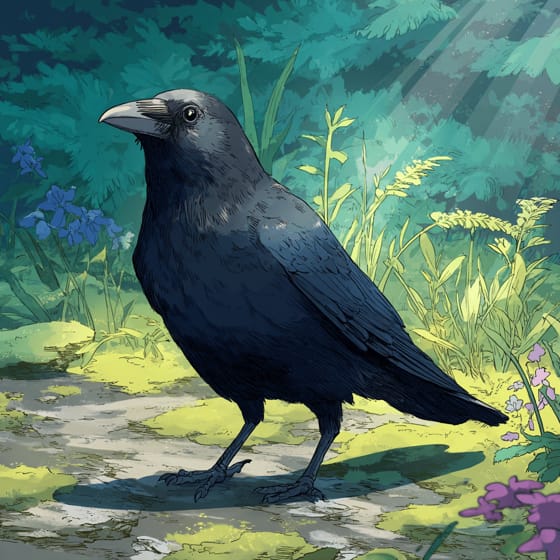
Corvus brachyrhynchos
Drops walnuts to crack them open
Rhagoletis completa
Larvae feed inside the walnut husk
Phyllocoptes juglandis
Causes galls on walnut leaves
Arboreal animals live primarily in trees, utilizing them for shelter, food, and protection from predators.
This trait characterizes organisms whose diet consists entirely or primarily of plant material.
Describes organisms that break down dead organic material, recycling nutrients back into the ecosystem.
Forest habitats are terrestrial environments dominated by dense tree cover, supporting a high diversity of plant and animal life.

Diurnal animals are primarily active during daylight hours, typically resting or sleeping at night.
Danger
0/5 · No known danger
Always ask an adult before eating any nuts.
The easiest way to identify Walnuts is to use the Snappit nature identifier app.
1500-4000 cm
1000-2000 cm
0.5-2 cm
Spring
Yes
None
Perennial
Zoom in to split clusters and explore where this object has been snapped.
Recent snaps will appear here as new observations are added.
Take the discovery with you
Snap it with Snappit to identify it, learn what makes it special, and add the discovery to your collection.




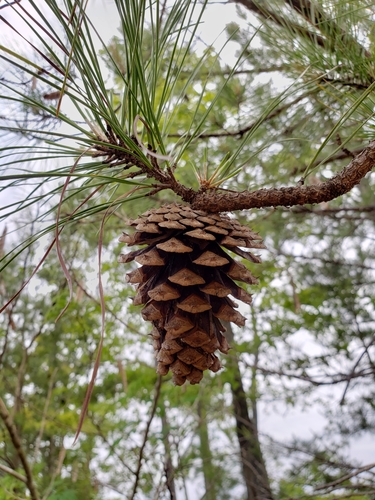




.jpg&width=800)



_001.jpg&width=800)




