





Waterbuck
Kobus ellipsiprymnus
Waterbucks are large, graceful animals that live near water. They have long legs and a special coat that helps keep them cool in the sun.
Habitat: Wetlands
The Waterbuck has a shaggy, greyish-brown coat that feels greasy to the touch. Males sport long, heavily ridged, spiraled horns. A defining feature is the prominent white ring encircling its rump, making it easily distinguishable.
Category
MammalsRarity
Common
Danger
3/5 · Moderate
Snaps
Be the first to snap!
Despite their name, Waterbucks don't actually drink much water, getting most from plants!
Only male Waterbucks grow impressive, ringed horns that can reach up to 100 cm long!
Their shaggy coat is super oily, making them water-repellent like a raincoat!
Waterbucks rub their unique scent on plants to mark their territory, leaving a secret message!
Waterbuck has special glands that secrete an oily, waterproof coating on its fur, helping it stay dry and buoyant in water.
Waterbuck's skin produces a foul-smelling oil that deters predators and makes its meat unappetizing.
Waterbuck can swim strongly and quickly, using rivers and lakes as escape routes from land predators.
Waterbucks are plant-eaters who love munching on grasses and reeds found near water.
Panthera leo
Main predator in their African habitat, preying on adults and calves.
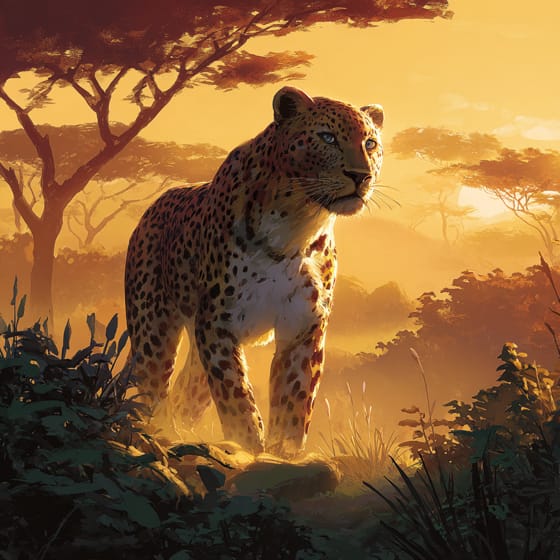
Panthera pardus
Often ambushes younger Waterbucks or smaller adults near cover.
Crocuta crocuta
Hunts in packs, often targeting vulnerable or isolated individuals.

Lycaon pictus
Highly efficient pack hunters that can run down and overpower Waterbucks.
Furry describes animals possessing a dense covering of soft hair or fur.
Social animals live in organized groups, cooperating for survival benefits such as foraging, defense, and raising offspring.
This trait characterizes organisms whose diet consists entirely or primarily of plant material.
This habitat trait identifies species found in wetlands, which are areas of land saturated with water, either permanently or seasonally, including marshes, swamps, and bogs.

This trait identifies organisms that exhibit exceptional swiftness in movement for hunting, escape, or travel.
Danger
3/5 · Moderate
Always watch from a distance and do not approach wild animals.
The easiest way to identify Waterbuck is to use the Snappit nature identifier app.
170-235 cm
160-260 kg
10-18 years
80 km/h
Waterbucks are plant-eaters who love munching on grasses and reeds found near water.
Wetlands
Grazing
Zoom in to split clusters and explore where this object has been snapped.
Recent snaps will appear here as new observations are added.
Take the discovery with you
Snap it with Snappit to identify it, learn what makes it special, and add the discovery to your collection.





.jpg&width=800)



.JPG&width=800)


.jpg&width=800)
