





Western Cattle-Egret
Ardea ibis
The Western Cattle-Egret is a friendly bird that loves to hang out near cows and other animals. They help keep the fields clean by eating bugs and insects, making them great helpers on farms!
Habitat: Wetlands
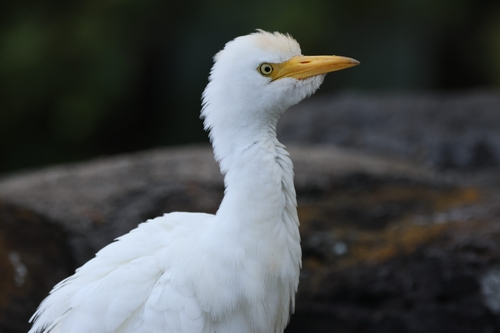
The Western Cattle-Egret is a small, stocky egret, typically pure white with a short, stout yellow bill and yellow legs. During breeding season, it develops distinctive orange-buff plumes on its head, back, and chest, making it visually unique among white egrets.
Category
BirdsRarity
Common
Danger
1/5 · Very low
Snaps
33
Cattle Egrets often sleep and nest in huge groups, sometimes with thousands of birds!
Its name comes from its clever habit of always hanging out near cattle!
They sometimes eat surprising foods like lizards, frogs, and even small mice!
This bird spread across the world in just 100 years, often flying across oceans!
Western Cattle-Egret can follow large grazing animals, attracting insects that are disturbed by their movement, making hunting easier.
Western Cattle-Egret has brilliant orange-buff feathers during breeding season, which signals readiness to find a mate.
Western Cattle-Egret can forage near farm machinery, catching small creatures revealed by plows and tractors.
This bird mainly eats bugs and small creatures stirred up by big grazing animals.
Bos taurus
Hunts insects stirred up by grazing.
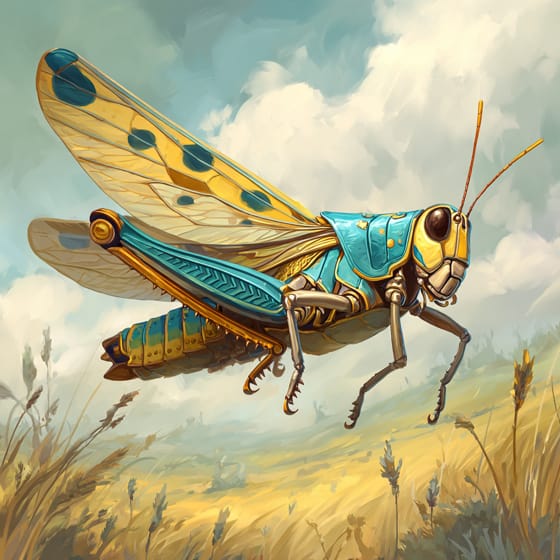
Locusta migratoria
A primary food source, caught from open ground.
Python sebae
Eggs and chicks are prey in some regions.
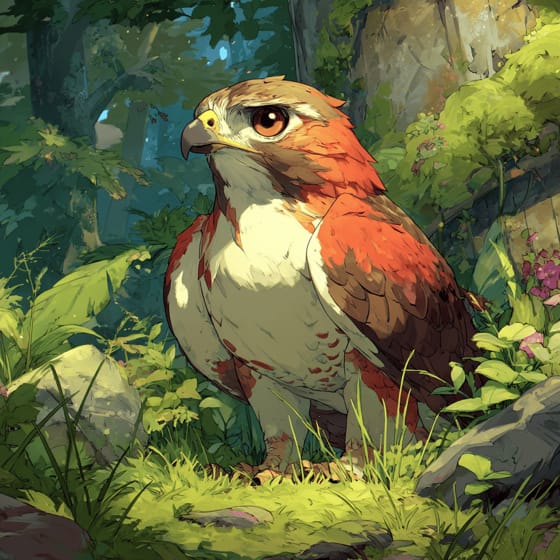
Buteo jamaicensis
Adults and juveniles can be prey for large raptors.
Feathered describes animals, primarily birds, possessing a covering of feathers.
Social animals live in organized groups, cooperating for survival benefits such as foraging, defense, and raising offspring.
This trait identifies organisms whose diet primarily consists of insects and other small invertebrates.
This habitat trait identifies species found in wetlands, which are areas of land saturated with water, either permanently or seasonally, including marshes, swamps, and bogs.

Diurnal animals are primarily active during daylight hours, typically resting or sleeping at night.

Migratory animals undertake seasonal movements from one region to another, typically in response to changes in climate or food availability.

Describes organisms that transfer pollen, enabling the fertilization and reproduction of plants.
Danger
1/5 · Very low
Enjoy watching birds from a distance and don't try to touch them.
The easiest way to identify Western Cattle-Egret is to use the Snappit nature identifier app.
46-56 cm
90-95 cm
0.27-0.55 kg
5-15 years
35 km/h
This bird mainly eats bugs and small creatures stirred up by big grazing animals.
Wetlands
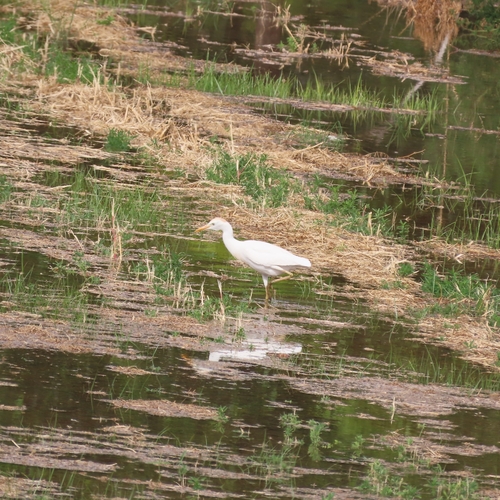
Zoom in to split clusters and explore where this object has been snapped.
Jun 12, 2026
Mesilla PlazaPhoto attribution
(c) Suanne Pyle, some rights reserved (CC BY)
License: CC BY 4.0 ↗
Image may be shown cropped inside the card frame.
Jun 6, 2026
Koko Crater Botanical GardenPhoto attribution
(c) Damien Wallace, some rights reserved (CC BY)
License: CC BY 4.0 ↗
Image may be shown cropped inside the card frame.

Hawaii, US
You might spot Brown Anole, Gold Dust Day Gecko, and Red-Crested Cardinal.
View guide →

Indiana, US
You might spot Common Reed, Rosepink, and Bearberry.
View guide →

US
You might spot Brown Anole, Zebra Dove, and Red-Crested Cardinal.
View guide →

New Mexico, US
You might spot White-Winged Dove and Silverleaf Nightshade.
View guide →

South Carolina, US
You might spot Gulf Fritillary, Poey's Furrow Bee, and Anole.
View guide →

Florida, US
You might spot American Alligator, Great Blue Heron, and Anhinga.
View guide →
Take the discovery with you
Snap it with Snappit to identify it, learn what makes it special, and add the discovery to your collection.




.jpg&width=800)








