





Western Deer Mouse
Peromyscus sonoriensis
The Western Deer Mouse is a small, friendly mouse with big ears and a long tail. They love to explore and can be found in many different places, making them fun to spot in nature!
Habitat: Grasslands
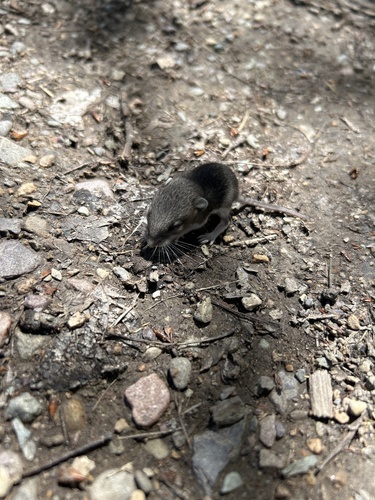
The Western Deer Mouse has soft fur that is grayish-brown on its back and sides, contrasting sharply with a bright white belly and feet. It has large, dark eyes and prominent ears, with a distinctly bicolored tail that is dark on top and light underneath.
Category
MammalsRarity
Common
Danger
1/5 · Very low
Snaps
3
A Western Deer Mouse can twitch its nose up to 12 times a second to smell better!
Mother deer mice often build cozy, cup-shaped nests using plant fibers and soft fur.
Their bicolored tail acts like a rudder, helping them balance when running and climbing.
These mice can adapt to almost any habitat, from deserts to snowy mountains!
Western Deer Mouse has a highly sensitive nose that helps them find hidden seeds and detect predators, even in the dark.
Western Deer Mouse has large eyes that collect more light, giving them excellent vision to navigate and find food at night.
Western Deer Mouse can jump surprisingly high and far because of their strong hind legs, helping them escape danger quickly.
These omnivores munch on seeds, nuts, and berries, but also enjoy a snack of insects!
Furry describes animals possessing a dense covering of soft hair or fur.
Social animals live in organized groups, cooperating for survival benefits such as foraging, defense, and raising offspring.
This trait identifies organisms whose diet includes both plant and animal matter.
Grassland habitats are terrestrial biomes dominated by grasses and herbaceous plants, supporting a variety of grazing animals.

Nocturnal animals are primarily active during the nighttime hours, typically resting or sleeping during the day.
No aliases listed yet.
Danger
1/5 · Very low
If you see a mouse, it's best to watch from a distance and not try to touch it.
The easiest way to identify Western Deer Mouse is to use the Snappit nature identifier app.
14-22 cm
0.015-0.03 kg
1-2 years
10 km/h
These omnivores munch on seeds, nuts, and berries, but also enjoy a snack of insects!
Grasslands
Foraging
Zoom in to split clusters and explore where this object has been snapped.
Jun 4, 2026
Lake MissoulaPhoto attribution
(c) Taryn Brahmsteadt, some rights reserved (CC BY)
License: CC BY 4.0 ↗
Image may be shown cropped inside the card frame.

Montana, US
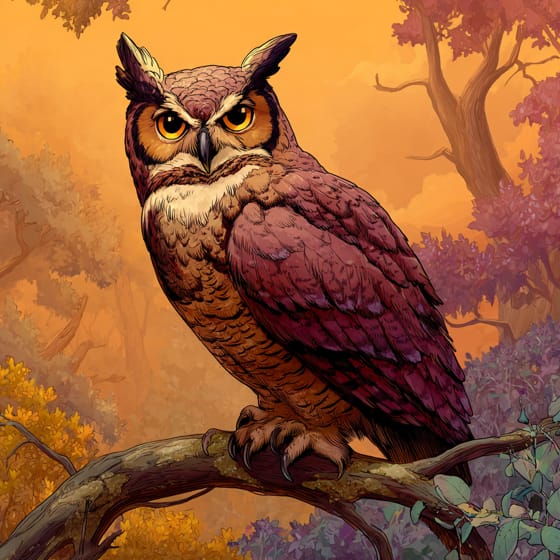
You might spot Western Ponderosa Pine and Great Horned Owl.
View guide →

Nebraska, US
You might spot Lark Sparrow, Rock Wren, and Scarlet Globemallow.
View guide →

Oregon, US
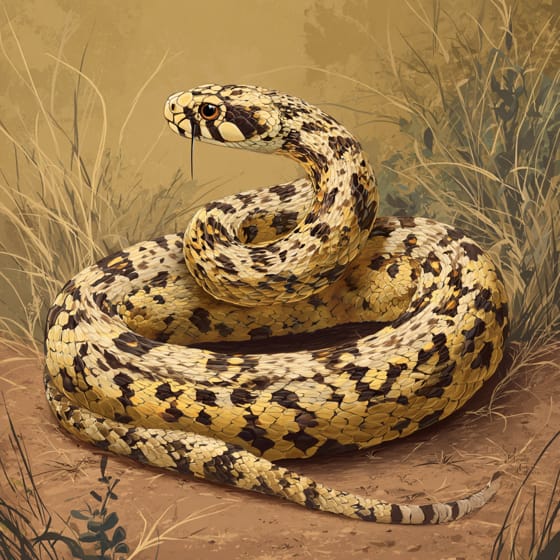
You might spot Oregon Oak, Tree-Of-Heaven, and Garter Snake.
View guide →

British Columbia, CA
You might spot Broad-Leaved Stonecrop, Western Skunk Cabbage, and Salal.
View guide →
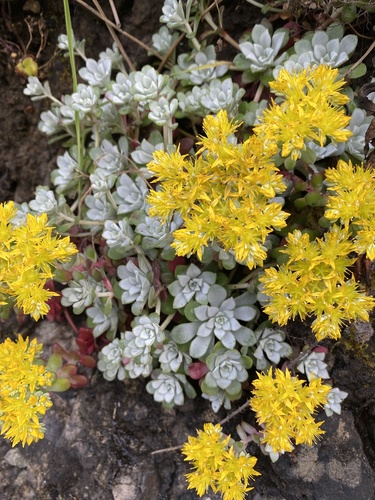
British Columbia, CA
You might spot Broad-Leaved Stonecrop and Littleleaf Silverback.
View guide →
Take the discovery with you
Snap it with Snappit to identify it, learn what makes it special, and add the discovery to your collection.




.jpg&width=800)



.JPG&width=800)


.jpg&width=800)
