





Western Marsh Rosemary
Limonium californicum
Western Marsh Rosemary is a pretty plant that grows in wet places. It has colorful flowers that can be purple or blue, and it loves to be near water!
Habitat: Wetlands
The Western Marsh Rosemary has a rosette of leathery, spatula-shaped leaves at its base. Tall, branched stems emerge, topped with many tiny, vibrant lavender-purple flowers, creating a misty, cloud-like appearance.
Category
PlantsRarity
Common
Danger
1/5 · Very low
Snaps
Be the first to snap!
Its name 'rosemary' refers to its scent, but it's not a true rosemary!
Its tiny purple flowers are like a landing strip for hungry bees!
Sometimes, its leaves turn a beautiful reddish hue in the fall!
This plant is super tough, growing where other plants fear to sprout!
Western Marsh Rosemary has special glands on its leaves that help it push out extra salt, allowing it to thrive in salty coastal environments.
Western Marsh Rosemary can store water in its thick, fleshy leaves, helping it survive periods of drought in its sunny, coastal home.
Western Marsh Rosemary's roots help hold the marsh soil together, protecting the coastline from erosion during strong tides and storms.
Apis mellifera
Visits flowers for nectar and pollen.

Danaus plexippus
Feeds on nectar, aiding pollination.
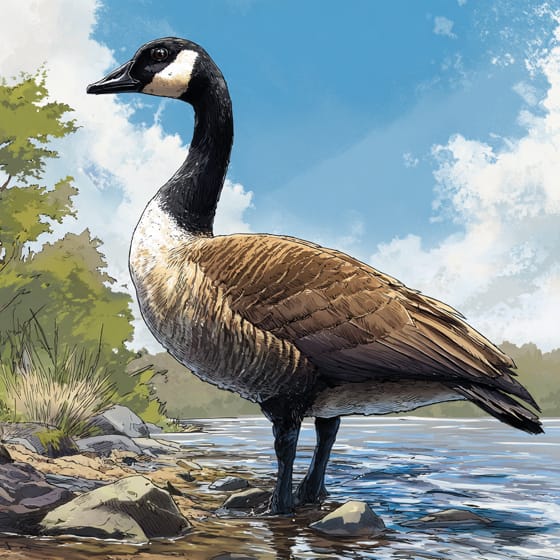
Branta canadensis
Grazes on leaves and shoots in marsh habitats.
Flowering plants are any plants that produce flowers as part of their reproductive cycle.
Grass-like plants are herbaceous plants that visually resemble true grasses, typically having long, narrow leaves.
Summer blooming plants produce their flowers during the summer season, often providing vibrant color when many other plants have finished.
Salt tolerant plants can withstand and grow in conditions with elevated salinity levels in the soil or water.

Colorful describes organisms or objects displaying a wide range of bright and distinct colors.

Describes plants that are particularly attractive and beneficial to a wide range of pollinating organisms.

This habitat trait identifies species found in wetlands, which are areas of land saturated with water, either permanently or seasonally, including marshes, swamps, and bogs.

Coastal habitats are dynamic environments located along the interface between land and sea, influenced by tides, waves, and saltwater.
No aliases listed yet.
Danger
1/5 · Very low
Always look but don't touch plants unless you know they are safe.
The easiest way to identify Western Marsh Rosemary is to use the Snappit nature identifier app.
15-60 cm
15-60 cm
0.4-0.6 cm
Summer to fall
No
None
Perennial
Zoom in to split clusters and explore where this object has been snapped.
Recent snaps will appear here as new observations are added.
Take the discovery with you
Snap it with Snappit to identify it, learn what makes it special, and add the discovery to your collection.








.jpg&width=800)



_001.jpg&width=800)




