





Western Polecat
Mustela putorius
The Western Polecat is a small, furry animal that loves to dig and explore. With its long body and bushy tail, it is very playful and curious about its surroundings.
Habitat: Grasslands
The Western Polecat has a dark brown to black body with lighter, yellowish underfur that often creates a grizzled look. Its face features a distinct dark mask across the eyes, contrasted by white or cream patches around its muzzle and small, rounded ears.
Category
MammalsRarity
Common
Danger
2/5 · Low
Snaps
Be the first to snap!
Polecats can store live, paralyzed prey in special larders for later meals!
Sometimes, a polecat will play dead to escape from dangerous predators!
The Western Polecat is the wild ancestor of the domesticated ferret!
Their thick fur coat helps them stay warm even in chilly, snowy weather.
Western Polecats have a long, flexible body that allows them to chase prey through narrow tunnels and burrows with ease.
Western Polecats have excellent night vision, which helps them effectively hunt small animals in the dark.
These fierce hunters mostly eat small animals they catch with their sharp teeth!
Apodemus sylvaticus
A common and important food source.
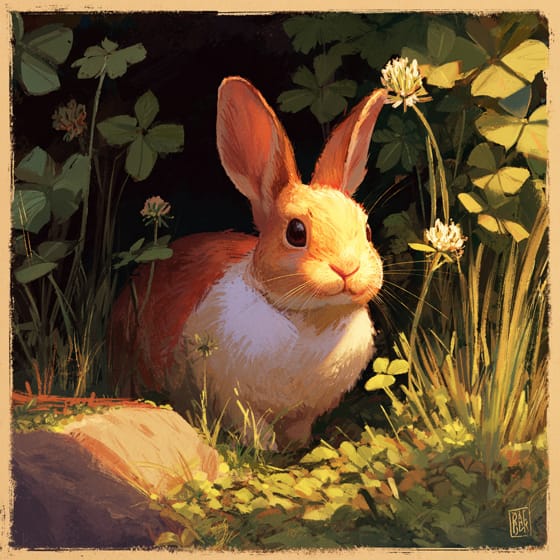
Oryctolagus cuniculus
Polecats are skilled at hunting young rabbits.
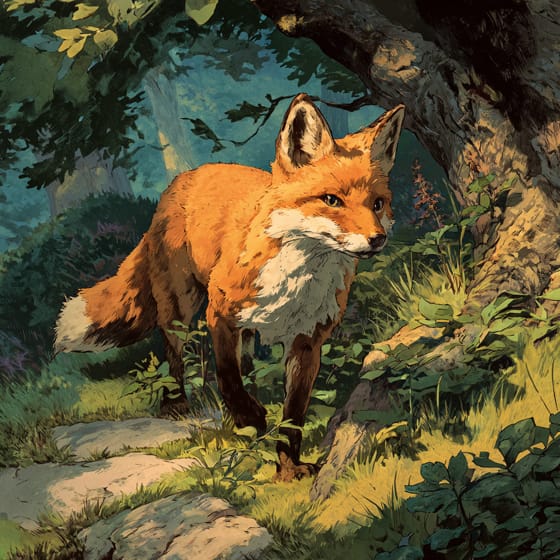
Vulpes vulpes
Foxes are a common predator of polecats.
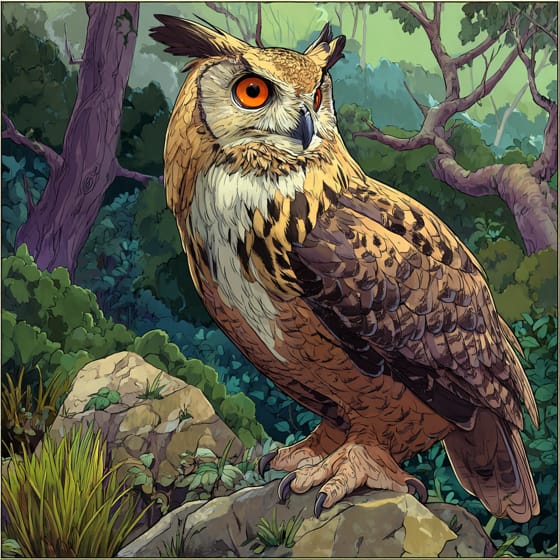
Bubo bubo
Large owls can sometimes prey on polecats.
Furry describes animals possessing a dense covering of soft hair or fur.
Solitary animals live alone for most of their lives, only interacting with others for mating or parental care.
Burrowing animals dig tunnels and chambers in the ground, using these subterranean structures for shelter, hunting, or breeding.
Grassland habitats are terrestrial biomes dominated by grasses and herbaceous plants, supporting a variety of grazing animals.

This trait identifies organisms whose diet consists entirely or primarily of animal tissue.

This trait identifies organisms that exhibit exceptional swiftness in movement for hunting, escape, or travel.

Nocturnal animals are primarily active during the nighttime hours, typically resting or sleeping during the day.
No aliases listed yet.
Danger
2/5 · Low
If you see a wild animal, it's best to watch from a distance and not try to touch it.
The easiest way to identify Western Polecat is to use the Snappit nature identifier app.
35-46 cm
0.4-2.1 kg
5-6 years
24 km/h
These fierce hunters mostly eat small animals they catch with their sharp teeth!
Grasslands
Ambush
Zoom in to split clusters and explore where this object has been snapped.
Recent snaps will appear here as new observations are added.
Take the discovery with you
Snap it with Snappit to identify it, learn what makes it special, and add the discovery to your collection.




.jpg&width=800)



.JPG&width=800)

.jpg&width=800)
