





Western Red Cedar
Thuja plicata
The Western Red Cedar is a tall tree with soft, reddish-brown bark. It has flat sprays of scale-like leaves that smell fresh and woody. These trees are important to many animals in the forest.
Habitat: Forests
The Western Red Cedar is a towering evergreen with a broad, conical crown and distinctive reddish-brown, fibrous bark that peels in long strips. Its flat, scale-like leaves grow in drooping sprays, producing a strong, sweet aroma when crushed.
Category
TreesRarity
Common
Danger
1/5 · Very low
Snaps
9
Indigenous people harvested its soft bark to weave waterproof clothing and sturdy baskets.
Its scientific name, 'plicata', means 'folded', describing how its tiny leaves are arranged.
Western Red Cedars are the largest species in the cypress family, often growing super tall!
You can often spot tiny, shiny green cones, each only the size of a small fingernail!
Western Red Cedar has naturally rot-resistant wood that helps it stand strong for centuries even in damp environments.
Western Red Cedar can produce aromatic oils in its leaves and wood that help it defend against insects and fungi.
Western Red Cedar has supple branches that can bend under heavy snow, helping it avoid breakage during winter storms.
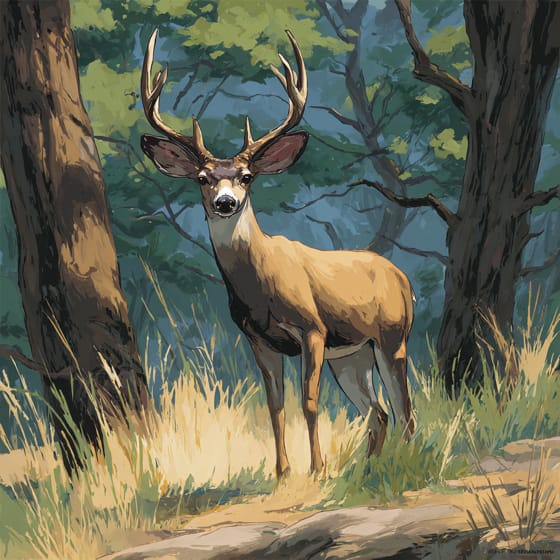
Odocoileus hemionus
Browses on young foliage and twigs.
Tamiasciurus douglasii
Eats seeds from its small cones.
Strix occidentalis
Nests in cavities of old-growth trees.
Rhizopogon vinicolor
Shares nutrients with its roots.
Shade tolerant plants are adapted to grow and thrive in areas with low light levels, requiring less direct sunlight.
Coniferous plants are typically evergreen, bearing needles or scales and reproductive cones.
Evergreen plants retain their foliage throughout the year, never shedding all their leaves at once.
Fragrant flowers emit a pleasant aroma, often to attract pollinators or for defense.

Timber refers to wood that has been prepared for use in building and carpentry.

Forest habitats are terrestrial environments dominated by dense tree cover, supporting a high diversity of plant and animal life.

This trait characterizes organisms with an exceptionally long lifespan compared to others of their kind.

This habitat trait identifies species found in temperate rainforests, characterized by significant rainfall, mild temperatures, and dense evergreen or deciduous forests in coastal regions.

Describes a species whose presence and role have a disproportionately large effect on its environment.
Danger
1/5 · Very low
Enjoy looking at the majestic Western Red Cedars from a safe distance and avoid climbing them.
The easiest way to identify Western Red Cedar is to use the Snappit nature identifier app.
50-70 m
5-15 m
No
100-250 cm
500-1000 years
Forests
Small woody cones
Zoom in to split clusters and explore where this object has been snapped.

Oregon, US
You might spot Duck, Pacific Trillium, and Wood Duck.
View guide →

Washington, US
You might spot Barrow's Goldeneye and Pacific Banana Slug.
View guide →

Oregon, US
You might spot Rough-Skinned Newt and Isabella Tiger Moth.
View guide →

British Columbia, CA
You might spot Oregon Grape, Shinyleaf Meadowsweet, and Bush Penstemon.
View guide →
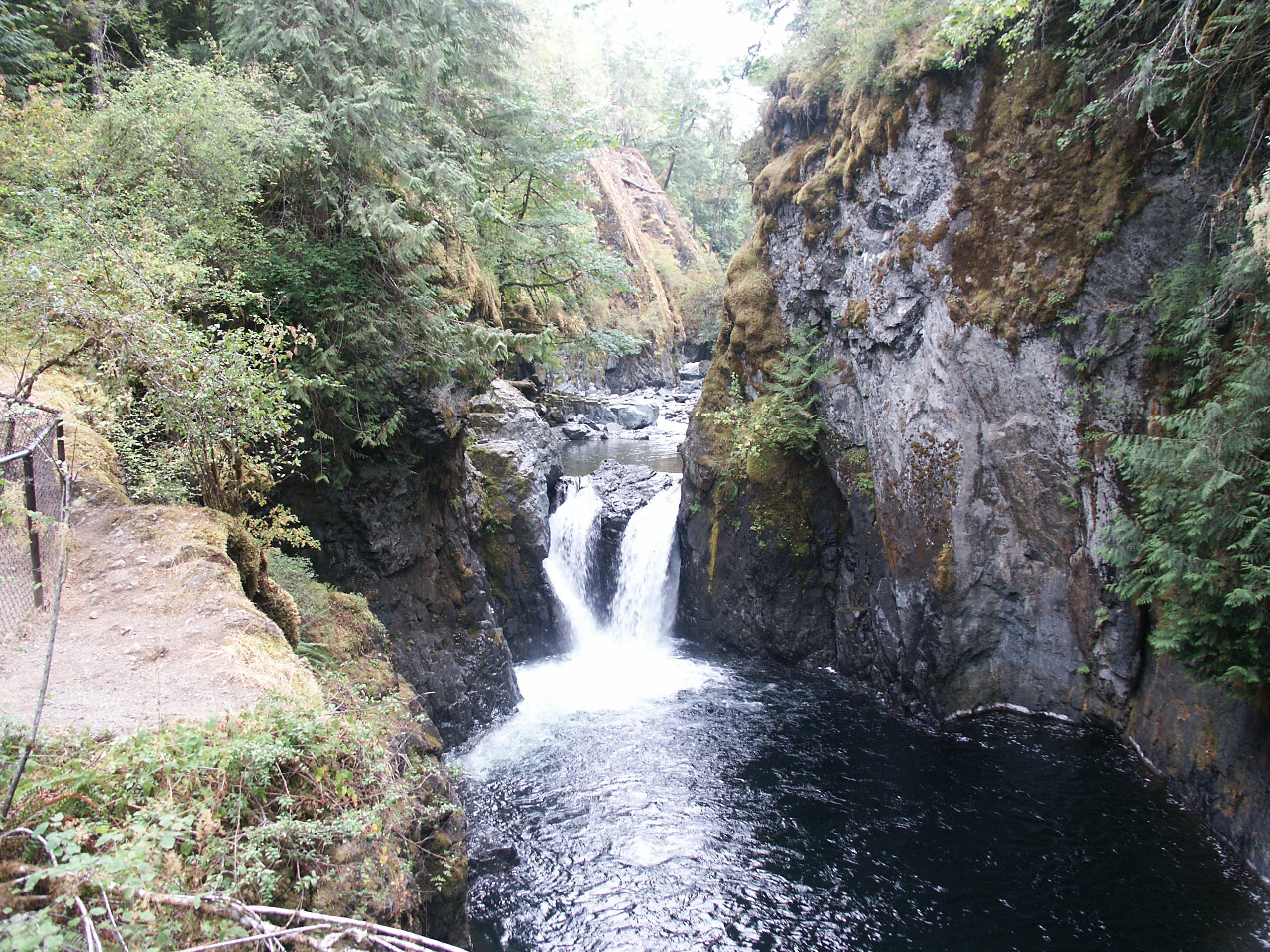
British Columbia, CA
You might spot Vanilla Leaf, Western Maidenhair Fern, and Salal.
View guide →
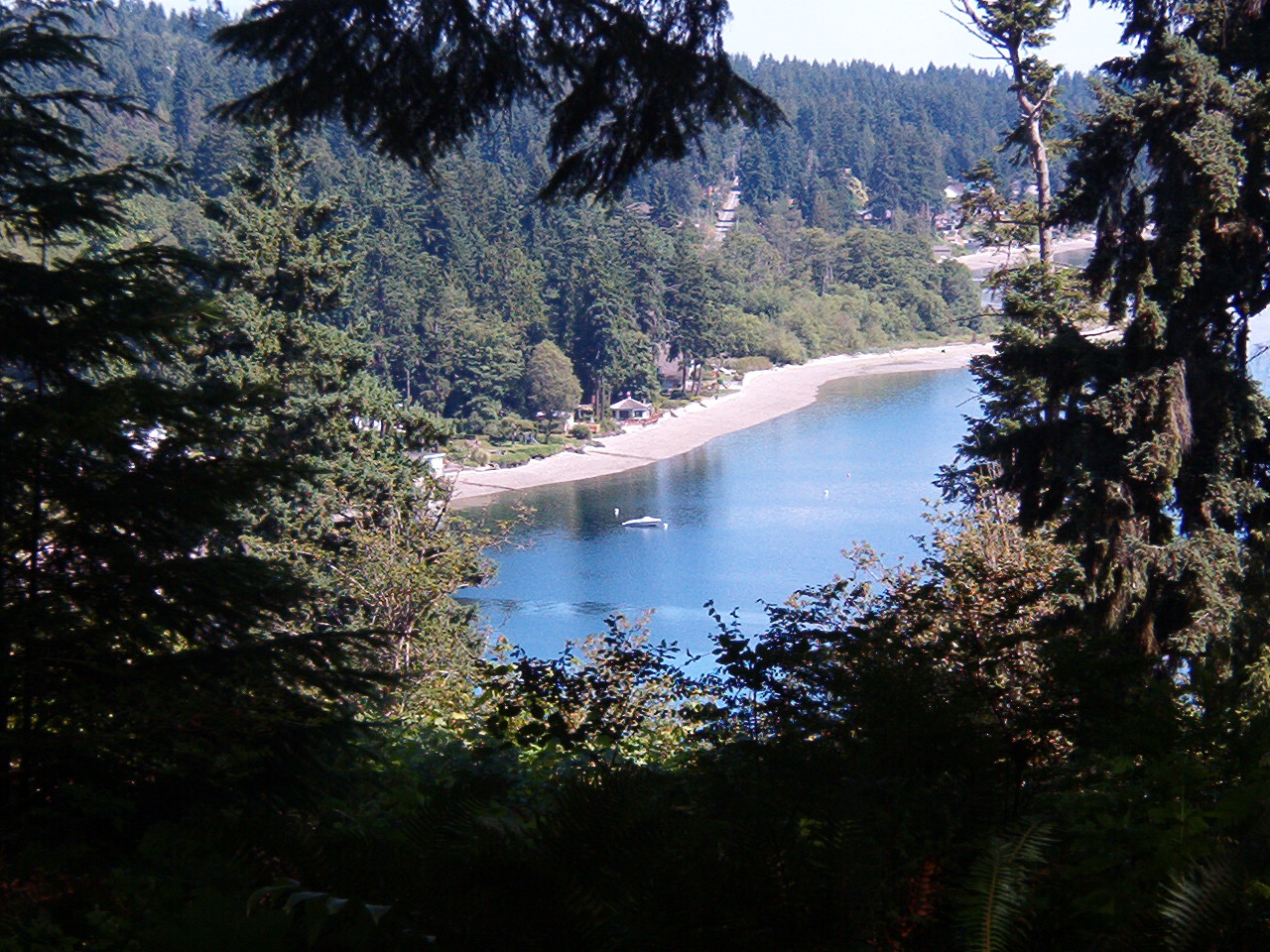
Washington, US
You might spot Surf Scoter, Horned Grebe, and Salmonberry.
View guide →
Take the discovery with you
Snap it with Snappit to identify it, learn what makes it special, and add the discovery to your collection.











