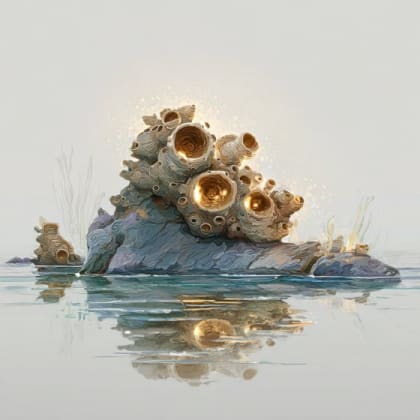
Western Sea Slater
ligia occidentalis
The Western Sea Slater is a small, lively creature that loves to scuttle around on rocky shores. They are great at hiding in tiny crevices and are fun to watch as they explore their coastal homes!
Habitat: Rocky shores and tide pools along the coast.
The Western Sea Slater is a flattened, oval-shaped invertebrate with a segmented, dull grey or mottled brown body. It has long, slender antennae and many legs, allowing it to scurry quickly over rocks. Its coloration helps it blend perfectly with coastal environments.
Category
InvertebrateRarity
Common
Danger
0/5 · No known danger
Snaps
1
Sea slaters have huge compound eyes, like a fly's, for great vision!
These speedy critters can run backwards just as fast as forwards!
They are more closely related to terrestrial pillbugs than to crabs!
They can sense changes in the tide, knowing when to climb higher!
Western Sea Slater can move incredibly fast over rocks because of its numerous legs, helping them escape predators in a flash.
Western Sea Slater has specialized gills that allow them to breathe even when out of water, helping them survive low tide for hours.
Western Sea Slater is most active at night, which helps them avoid daytime predators and find food more safely in the dark.
Nature's clean-up crew, munching on decaying plants and tiny bits of algae along the shore!

Actitis macularius
A quick meal for shorebirds.

Pachygrapsus crassipes
Crabs snatch them from rocks.
Ulva lactuca
Consumes decaying bits of this green alga.
Fucus gardneri
Feeds on dead or dying strands of this seaweed.
Solitary animals live alone for most of their lives, only interacting with others for mating or parental care.
Describes organisms that break down dead organic material, recycling nutrients back into the ecosystem.
Coastal habitats are dynamic environments located along the interface between land and sea, influenced by tides, waves, and saltwater.
Diurnal animals are primarily active during daylight hours, typically resting or sleeping at night.

Marine habitats encompass all saltwater environments of the Earth's oceans, supporting an immense diversity of aquatic life.
Danger
0/5 · No known danger
No special safety notes yet.
The easiest way to identify Western Sea Slater is to use the Snappit nature identifier app.
3.5 cm
2 years
5 km/h
Nature's clean-up crew, munching on decaying plants and tiny bits of algae along the shore!
Rocky shores and tide pools along the coast.
Scavenging
Zoom in to split clusters and explore where this object has been snapped.
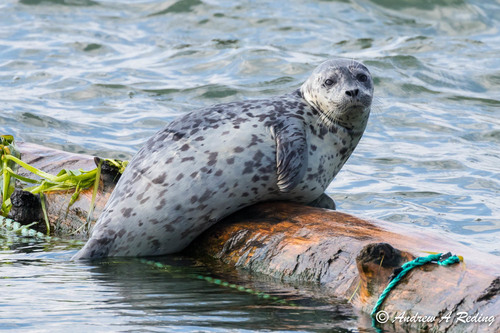
British Columbia, CA
You might spot Harbor Seal, Evergreen Huckleberry, and Alumroots.
View guide →

US
You might spot Ochre Sea Star and Giant Green Anemone.
View guide →

British Columbia, CA
You might spot Broad-Leaved Stonecrop, Harbor Seal, and Ochre Sea Star.
View guide →
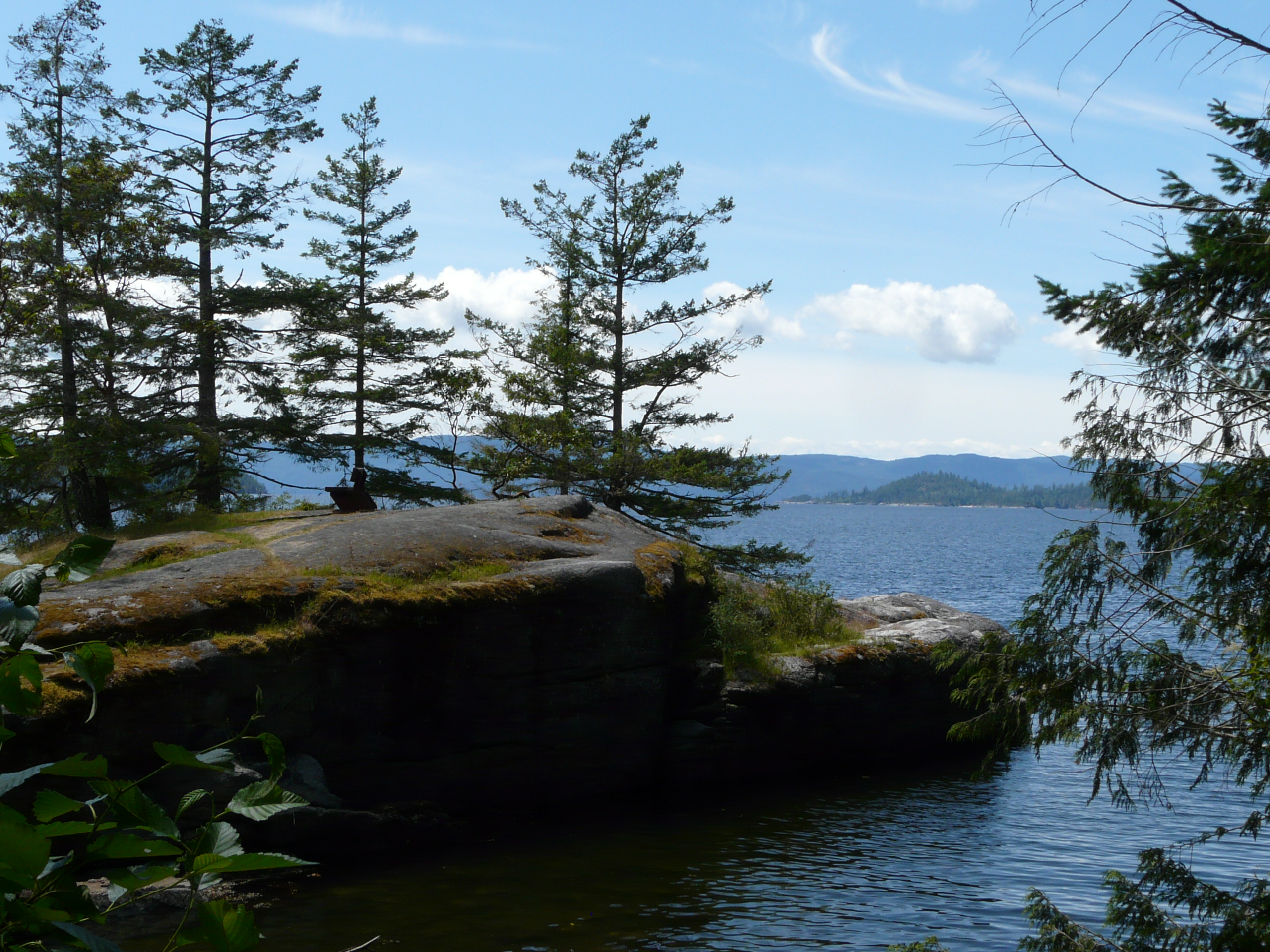
British Columbia, CA
You might spot Ochre Sea Star and Yellow Shore Crab.
View guide →
Take the discovery with you
Snap it with Snappit to identify it, learn what makes it special, and add the discovery to your collection.