




purple prairie clover
Dalea purpurea
Purple prairie clover is a lovely flower that grows in fields and prairies. It has bright purple blooms that attract butterflies and bees, making it a favorite among pollinators!
Habitat: Grasslands
The purple prairie clover has dense, cylindrical spikes of vibrant magenta-purple flowers that bloom atop slender, upright stems. Its delicate, feathery green leaves grow in clusters, providing a soft contrast to the striking blooms, making it stand out in grasslands.
Category
PlantsRarity
Common
Danger
1/5 · Very low
Snaps
5
Its roots were historically chewed by Indigenous peoples for a refreshing, sweet treat!
Purple prairie clover adds vital nutrients to the soil, acting like a natural fertilizer for the land!
The individual flowers on its spike open from bottom to top, creating a wave of purple color!
This plant's seeds can stay buried and sprout even after 50 years, waiting for the right moment!
Purple prairie clover can enrich the soil because it hosts helpful bacteria that capture nitrogen from the air, turning it into plant food.
Purple prairie clover has a deep taproot that helps it find water far underground, allowing it to stay strong even in dry conditions.
Purple prairie clover can attract many busy bees and butterflies with its nectar-rich flowers, acting as a vital food source for them.
Apis mellifera
Collects nectar and pollen from flowers

Bombus griseocollis
Feeds on nectar, aiding reproduction
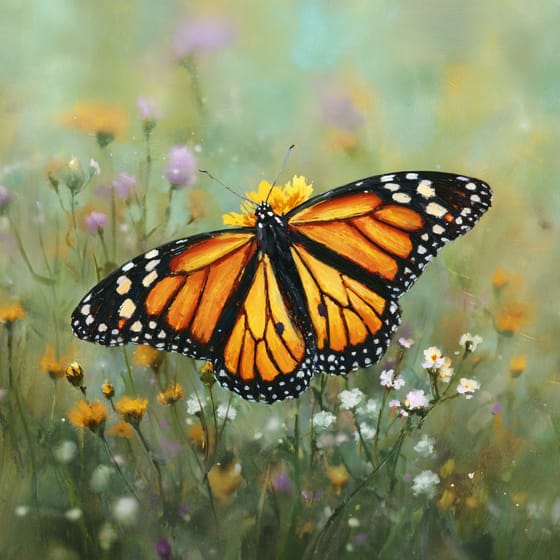
Danaus plexippus
Visits flowers for nectar
Flowering plants are any plants that produce flowers as part of their reproductive cycle.
Describes organisms capable of converting atmospheric nitrogen into compounds usable by plants.
Summer blooming plants produce their flowers during the summer season, often providing vibrant color when many other plants have finished.
Fragrant flowers emit a pleasant aroma, often to attract pollinators or for defense.

Edible plants are those parts of a plant that are considered safe for human consumption.

Grassland habitats are terrestrial biomes dominated by grasses and herbaceous plants, supporting a variety of grazing animals.

Describes plants that are particularly attractive and beneficial to a wide range of pollinating organisms.

Describes a species whose presence and role have a disproportionately large effect on its environment.
No aliases listed yet.
Danger
1/5 · Very low
Always look but don't touch wild flowers to keep them safe and healthy.
The easiest way to identify purple prairie clover is to use the Snappit nature identifier app.
30-80 cm
30-60 cm
0.5-1 cm
Summer
Yes
None
Perennial
Zoom in to split clusters and explore where this object has been snapped.

Arkansas, US
You might spot Widow's-Cross, Yucca Giant-Skipper, and Outis Skipper.
View guide →

Arkansas, US
You might spot Rainbow Trout and Spicebush Swallowtail.
View guide →
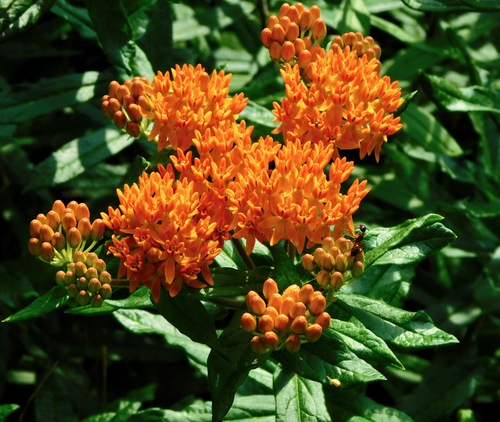
Mississippi, US
You might spot Butterfly Milkweed, Rattlesnake Master, and Yellow Puff.
View guide →

Illinois, US
You might spot Virginia Bluebells and Wavy-Lined Emerald.
View guide →

Nebraska, US
You might spot Woodhouse's Toad, Monarch, and Spinystar.
View guide →

Iowa, US
You might spot White-Tailed Deer, American Bullfrog, and Cup Plant.
View guide →
Take the discovery with you
Snap it with Snappit to identify it, learn what makes it special, and add the discovery to your collection.








.jpg&width=800)


_001.jpg&width=800)



