





western yellow pond-lily
Nuphar polysepala
The western yellow pond-lily is a beautiful water plant with big, round leaves and bright yellow flowers. It grows in ponds and lakes, making the water look lovely and inviting.
Habitat: Wetlands
The western yellow pond-lily has large, waxy, heart-shaped leaves that float flat on the water. Its distinctive bright yellow, bowl-shaped flowers, often tinged with red at the base, emerge proudly above the water surface.
Category
PlantsRarity
Common
Danger
1/5 · Very low
Snaps
Be the first to snap!
Its buoyant seeds float like tiny boats, spreading new plants to distant watery homes!
Its large, leathery leaves offer perfect shady hiding spots for small fish and tadpoles!
Some flowers give off a slightly yeasty or fruity scent to attract helpful beetle pollinators!
The huge underwater roots can grow as thick as your arm, storing energy for years!
western yellow pond-lily has special air channels in its stems that deliver oxygen deep underwater, helping it thrive in muddy lake bottoms.
western yellow pond-lily has strong, flexible stems that allow its leaves and flowers to sway with water currents without breaking.
western yellow pond-lily has huge, starchy underwater rhizomes that store vital energy and nutrients, helping it survive harsh winters.
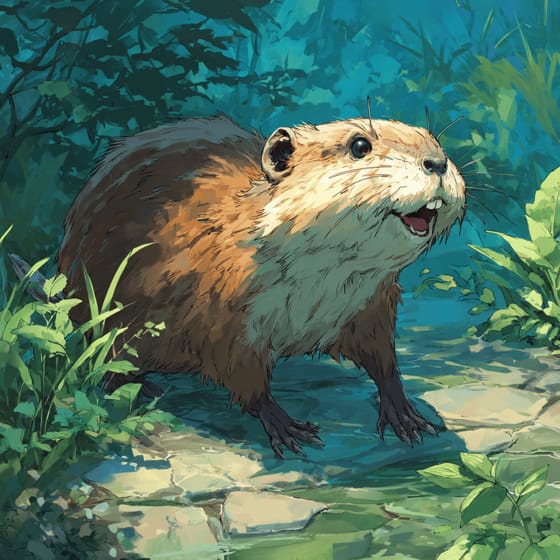
Ondatra zibethicus
Feeds on the plant's nutritious underwater rhizomes.
Anas platyrhynchos
Dabbles for its floating, starchy seeds.
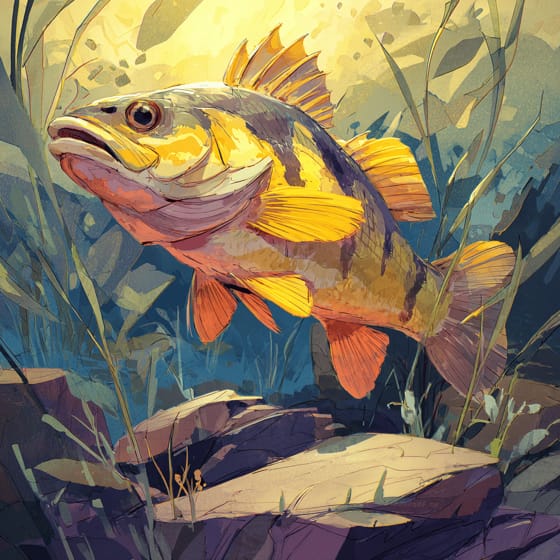
Perca flavescens
Hides under its wide floating leaves from predators.
Flowering plants are any plants that produce flowers as part of their reproductive cycle.
Summer blooming plants produce their flowers during the summer season, often providing vibrant color when many other plants have finished.
Edible plants are those parts of a plant that are considered safe for human consumption.
Describes plants that are particularly attractive and beneficial to a wide range of pollinating organisms.

This habitat trait identifies species found in wetlands, which are areas of land saturated with water, either permanently or seasonally, including marshes, swamps, and bogs.

Freshwater habitats include non-saline aquatic environments such as rivers, lakes, ponds, and wetlands, vital for numerous species.

Aquatic habitats encompass environments where organisms live predominantly in water, including oceans, rivers, lakes, and wetlands.
No aliases listed yet.
Danger
1/5 · Very low
Always stay close to an adult when exploring ponds and lakes.
The easiest way to identify western yellow pond-lily is to use the Snappit nature identifier app.
5-15 cm
50-150 cm
10-20 cm
Late spring to late summer
Yes
None
Perennial
Zoom in to split clusters and explore where this object has been snapped.
Recent snaps will appear here as new observations are added.
Take the discovery with you
Snap it with Snappit to identify it, learn what makes it special, and add the discovery to your collection.









.jpg&width=800)



_001.jpg&width=800)



