





Whinchat
Saxicola rubetra
The Whinchat is a small, colorful bird that loves to hop around in fields and meadows. It has a lovely song and is often seen perched on tall grass or fences, looking for tasty insects to eat.
Habitat: Grasslands
The Whinchat is a plump, upright songbird with a distinctive white supercilium and dark cheek patch. Males display a striking orange-buff breast and flanks, contrasting with a streaky brown back. Its bold facial markings help distinguish it from similar small perching birds.
Category
BirdsRarity
Common
Danger
1/5 · Very low
Snaps
Be the first to snap!
Male Whinchats show off vibrant orange chests to impress females during breeding season.
These tiny birds often perch on tall plant stems, like a lookout tower, to spot tasty bugs below!
Whinchat babies grow super fast, leaving the nest just two weeks after hatching!
Whinchats got their name from their call, which sounds like 'whit-chat,' giving away their presence!
Whinchats can fly thousands of miles from Europe to Africa because of their efficient flight, helping them find warm winter food.
Whinchats have sharp eyesight and agility that helps them snatch flying insects mid-air, ensuring a fresh meal.
Whinchats can hide their nests skillfully on the ground because their camouflaged plumage helps them blend into dense vegetation, protecting eggs and chicks.
Whinchats feast on tiny insects and spiders, which they skillfully catch in mid-air or snatch from plants.
Falco tinnunculus
Common Kestrels prey on small birds like Whinchats in open habitats.
Vipera berus
Snakes like adders can find and eat Whinchat eggs or young chicks from ground nests.
Chorthippus parallelus
Whinchats actively hunt and eat grasshoppers from meadows and grasslands.
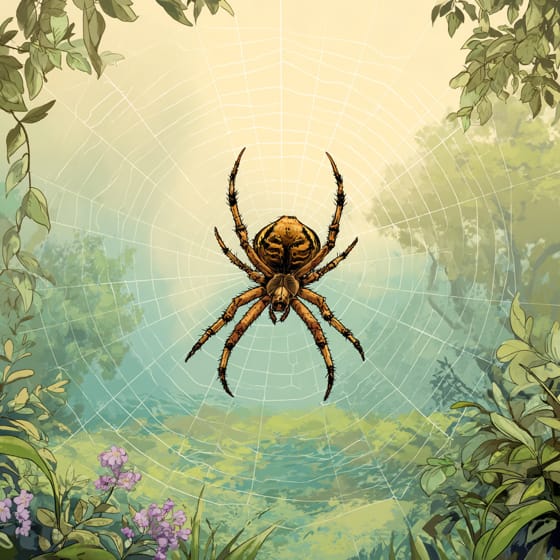
Araneus diadematus
Spiders are a common food source for Whinchats, caught from vegetation.
Feathered describes animals, primarily birds, possessing a covering of feathers.
Social animals live in organized groups, cooperating for survival benefits such as foraging, defense, and raising offspring.
Singing animals produce complex vocalizations, often for purposes of attracting mates, defending territory, or communicating within their species.
Colorful describes organisms or objects displaying a wide range of bright and distinct colors.

Grassland habitats are terrestrial biomes dominated by grasses and herbaceous plants, supporting a variety of grazing animals.

This trait identifies organisms whose diet primarily consists of insects and other small invertebrates.

Diurnal animals are primarily active during daylight hours, typically resting or sleeping at night.

Migratory animals undertake seasonal movements from one region to another, typically in response to changes in climate or food availability.
No aliases listed yet.
Danger
1/5 · Very low
Enjoy watching birds from a distance and be quiet so you don't scare them away.
The easiest way to identify Whinchat is to use the Snappit nature identifier app.
12-14 cm
21-24 cm
0.013-0.026 kg
2-5 years
45 km/h
Whinchats feast on tiny insects and spiders, which they skillfully catch in mid-air or snatch from plants.
Grasslands
Zoom in to split clusters and explore where this object has been snapped.
Recent snaps will appear here as new observations are added.
Take the discovery with you
Snap it with Snappit to identify it, learn what makes it special, and add the discovery to your collection.




.jpg&width=800)







