





White-eared titi
Callicebus donacophilus
The White-eared titi is a small monkey with fluffy fur and big, bright eyes. They love to swing through trees and are very playful with their friends!
Habitat: Forests
The White-eared titi has soft, grayish-brown fur on its body, often with reddish-orange underparts. Its most distinctive features are the prominent tufts of white fur on its ears. Its long, bushy tail is darker, sometimes with a whitish tip, and is not prehensile.
Category
MammalsRarity
Common
Danger
1/5 · Very low
Snaps
Be the first to snap!
Male titis are super dads, carrying their babies almost all the time!
These monkeys often warm up by sunbathing on branches after chilly forest nights.
They mate for life and are one of the few truly monogamous primates.
Titis "shout" at neighboring groups to tell them to stay away from their area.
White-eared titis can intertwine their long tails with family members, creating a secure and cozy bond while resting high in the trees.
White-eared titis have complex, loud calls they perform in duets with their mate, that helps them communicate and defend their territory.
White-eared titis can leap effortlessly between branches with incredible agility, because of their strong legs that helps them move through the dense forest canopy.
These small monkeys mostly munch on delicious fruits and leaves, but also enjoy a side of tasty insects!
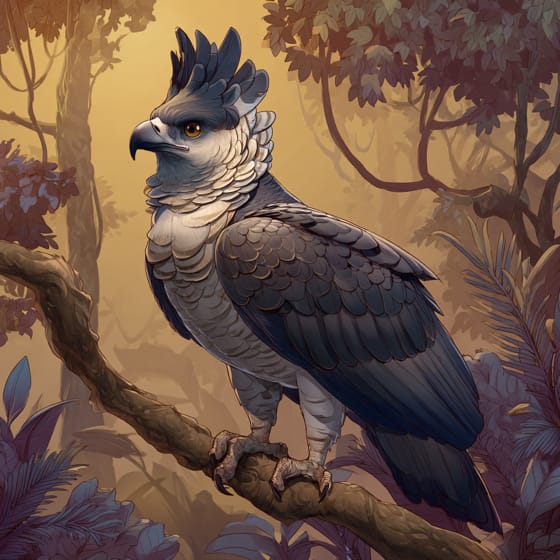
Harpia harpyja
A powerful bird of prey in its habitat.
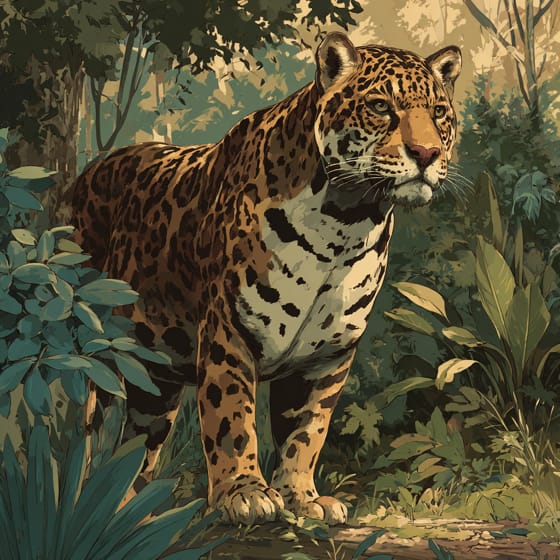
Panthera onca
A large feline predator of the forest.
Boa constrictor
A large snake that ambushes small primates.
Furry describes animals possessing a dense covering of soft hair or fur.
Social animals live in organized groups, cooperating for survival benefits such as foraging, defense, and raising offspring.
Arboreal animals live primarily in trees, utilizing them for shelter, food, and protection from predators.
This trait characterizes organisms whose diet consists entirely or primarily of plant material.

Forest habitats are terrestrial environments dominated by dense tree cover, supporting a high diversity of plant and animal life.

Diurnal animals are primarily active during daylight hours, typically resting or sleeping at night.

Endangered status indicates a species is at a very high risk of extinction in the wild in the near future.
No aliases listed yet.
Danger
1/5 · Very low
Always watch animals from a distance and never try to touch them in the wild.
The easiest way to identify White-eared titi is to use the Snappit nature identifier app.
25-35 cm
0.5-1.5 kg
10-20 years
15 km/h
These small monkeys mostly munch on delicious fruits and leaves, but also enjoy a side of tasty insects!
Forests
Foraging
Zoom in to split clusters and explore where this object has been snapped.
Recent snaps will appear here as new observations are added.
Take the discovery with you
Snap it with Snappit to identify it, learn what makes it special, and add the discovery to your collection.




.jpg&width=800)

.JPG&width=800)


.jpg&width=800)
