





White-faced Meadowhawk
Sympetrum obtrusum
The White-faced Meadowhawk is a small dragonfly with a bright red body and a white face. They are often found resting on plants near water, where they hunt for tiny insects.
Habitat: Wetlands
The White-faced Meadowhawk has a distinctive bright white face, especially in males, contrasting with its otherwise vibrant red body. Females are typically yellow-brown, but can also show some red as they mature. Their clear wings make their body colors stand out strikingly.
Category
InsectsRarity
Common
Danger
1/5 · Very low
Snaps
Be the first to snap!
A dragonfly's huge eyes can have up to 30,000 tiny lenses, making them incredible hunters.
Before becoming an adult, they live underwater for months, breathing with gills like a fish!
Dragonflies were among Earth's very first winged insects, flying over 300 million years ago!
Their transparent wings beat independently, allowing them to perform amazing aerial stunts.
White-faced Meadowhawks have huge compound eyes that give them nearly 360-degree vision, helping them spot tiny prey from far away.
White-faced Meadowhawks can fly forwards, backwards, hover, and turn on a dime, making them expert hunters in the air.
Their young (naiads) are fierce underwater predators, snatching other aquatic creatures with a special extendable jaw.
White-faced Meadowhawks can quickly warm their bodies by basking in the sun, powering up their muscles for speedy flight.
These speedy hunters keep bug populations in check by eating tiny flying insects!
Age differences: Young White-faced Meadowhawks (naiads) hunt aquatic insects and tadpoles underwater; adults catch flying insects in the air.
Aedes aegypti
Adults catch mosquitoes mid-air.
Chironomus plumosus
A primary food source for adult dragonflies.
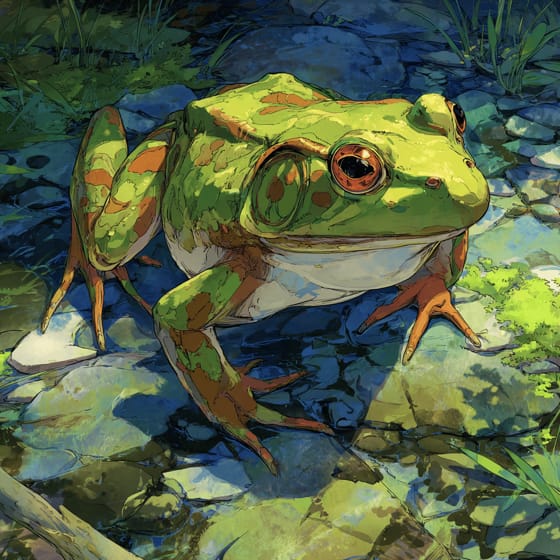
Lithobates catesbeianus
Large frogs prey on adult dragonflies.
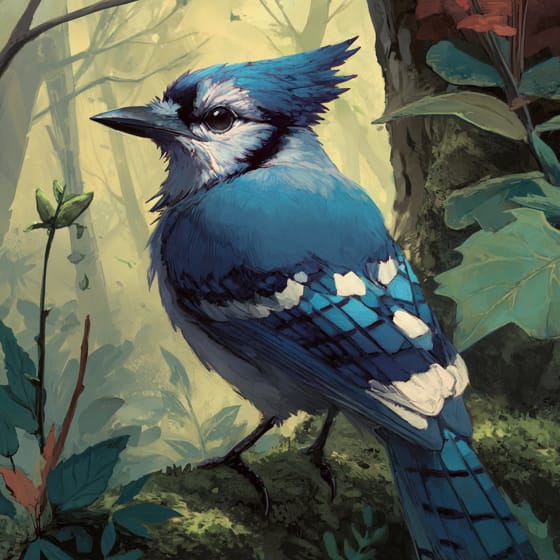
Cyanocitta cristata
Birds often snatch dragonflies from the air or perches.
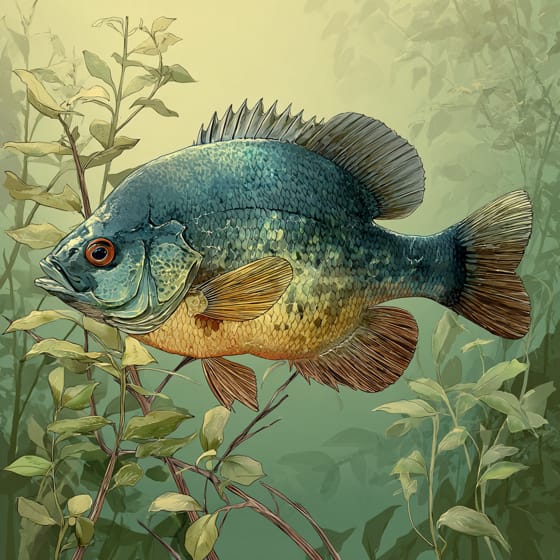
Lepomis macrochirus
Fish frequently eat dragonfly naiads underwater.
Aerial creatures spend a significant portion of their lives airborne, utilizing flight for various activities such as hunting, migration, or nesting.
Colorful describes organisms or objects displaying a wide range of bright and distinct colors.
This trait identifies organisms whose diet primarily consists of insects and other small invertebrates.
This habitat trait identifies species found in wetlands, which are areas of land saturated with water, either permanently or seasonally, including marshes, swamps, and bogs.

Diurnal animals are primarily active during daylight hours, typically resting or sleeping at night.

This trait identifies organisms that exhibit exceptional swiftness in movement for hunting, escape, or travel.

Describes organisms that transfer pollen, enabling the fertilization and reproduction of plants.
No aliases listed yet.
Danger
1/5 · Very low
Dragonflies are harmless, but it's best to watch them from a distance.
The easiest way to identify White-faced Meadowhawk is to use the Snappit nature identifier app.
45-55 mm
29-36 mm
30-60 days
25 km/h
These speedy hunters keep bug populations in check by eating tiny flying insects!
Wetlands
Pursuit
Zoom in to split clusters and explore where this object has been snapped.
Recent snaps will appear here as new observations are added.

British Columbia, CA
You might spot Western Skunk Cabbage, Devil's Club, and Pacific Ninebark.
View guide →
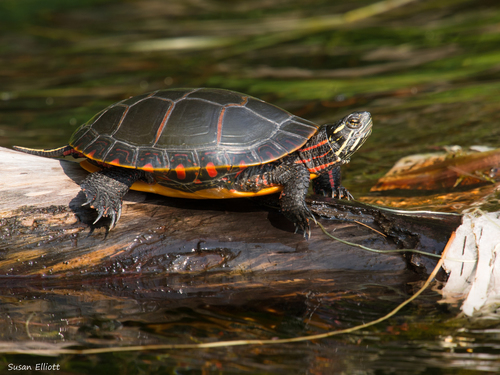
British Columbia, CA
You might spot Painted Turtle, Solomon's Plume, and Saskatoon.
View guide →
Take the discovery with you
Snap it with Snappit to identify it, learn what makes it special, and add the discovery to your collection.








.jpg&width=800)



