





White-Striped Little Carpenter Bee
ceratina strenua
The White-Striped Little Carpenter Bee is a tiny, buzzing helper in the garden! It loves to collect pollen and nectar from flowers to make sweet honey.
Habitat: These bees can be found in gardens, parks, and woodlands where there are plenty of flowers.
The White-Striped Little Carpenter Bee is a small, slender bee, often sporting a shiny, dark metallic blue or green body. It has a distinctive white or pale yellow stripe across its face (clypeus), which makes it visually different from many other tiny bees. Its wings are clear with dark veins.
Category
InsectsRarity
Common
Danger
1/5 · Very low
Snaps
Be the first to snap!
Each female bee lays her eggs in a line, creating separate rooms for each baby bee inside the stem.
These bees are often metallic blue or green, making them look like tiny flying jewels in the sun.
Unlike giant carpenter bees, these 'little' ones prefer to nest in the soft pith of plant stems!
When a baby bee grows up, it chews its way out of its tiny cell and then out of the stem!
White-Striped Little Carpenter Bee can bore into soft plant stems because they have strong mandibles, which helps them create safe nurseries for their developing young.
White-Striped Little Carpenter Bee has special branched hairs on its legs that help them carry pollen, ensuring their babies have food and plants are pollinated.
White-Striped Little Carpenter Bee can vibrate its flight muscles rapidly to shake pollen from certain flowers, which helps them collect more food.
These bees eat nectar for energy and pollen for protein, helping plants grow!

Lonicera japonica
Helps this plant reproduce by carrying its pollen to other flowers.
Rubus idaeus
An important pollinator for fruit-bearing plants like wild raspberries.
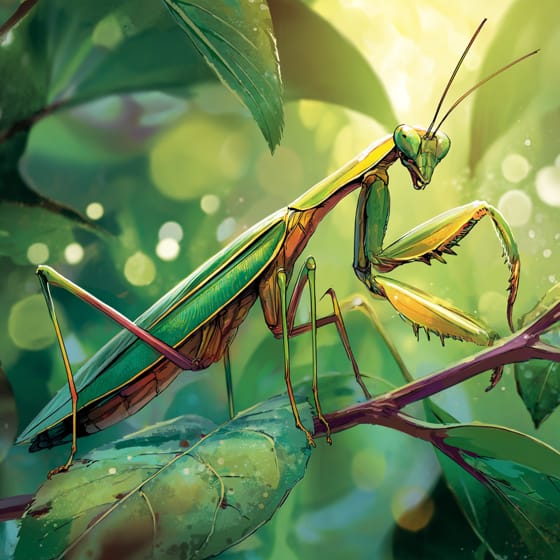
Tenodera sinensis
These bees can become prey for larger predatory insects like mantises.
%2C_Parc_de_Woluw%C3%A9%2C_Brussels_(13042792905).jpg&width=800)
Parus major
Small birds, such as tits, sometimes catch bees for food.
Marked with parallel bands or lines of color.
Solitary animals live alone for most of their lives, only interacting with others for mating or parental care.
Colorful describes organisms or objects displaying a wide range of bright and distinct colors.
Diurnal animals are primarily active during daylight hours, typically resting or sleeping at night.

Describes organisms that transfer pollen, enabling the fertilization and reproduction of plants.
Danger
1/5 · Very low
No special safety notes yet.
The easiest way to identify White-Striped Little Carpenter Bee is to use the Snappit nature identifier app.
8-12 mm
4-7 mm
30-90 days
12 km/h
These bees eat nectar for energy and pollen for protein, helping plants grow!
These bees can be found in gardens, parks, and woodlands where there are plenty of flowers.
Foraging
Zoom in to split clusters and explore where this object has been snapped.
Recent snaps will appear here as new observations are added.
Take the discovery with you
Snap it with Snappit to identify it, learn what makes it special, and add the discovery to your collection.








.jpg&width=800)



