





White Sweetclover
Melilotus albus
White Sweetclover is a lovely plant with tall, green stems and white flowers. It grows in fields and along roadsides, making the world a little prettier!
Habitat: Grasslands
The White Sweetclover is a tall, upright plant with slender stems reaching several feet high. It has small, numerous white, pea-like flowers densely packed in long, narrow clusters. Its leaves are divided into three small leaflets.
Category
PlantsRarity
Common
Danger
1/5 · Very low
Snaps
13
Ancient people sometimes used sweetclover to help soothe aches and pains.
Its name "Sweetclover" comes from its sweet scent, especially when dried!
This plant helps keep soil from washing away with its strong roots.
You might find it growing even in tough places like roadsides and old fields!
White Sweetclover can add nitrogen to the soil, helping other plants grow stronger and boosting soil health.
White Sweetclover has a long taproot that can reach deep into the soil for water during dry spells.
White Sweetclover emits a sweet, honey-like fragrance that guides pollinators to its tiny flowers.
Apis mellifera
Collects nectar and pollen from flowers.

Bombus impatiens
An important native pollinator.
Rhizobium leguminosarum
Lives in root nodules, converts nitrogen.
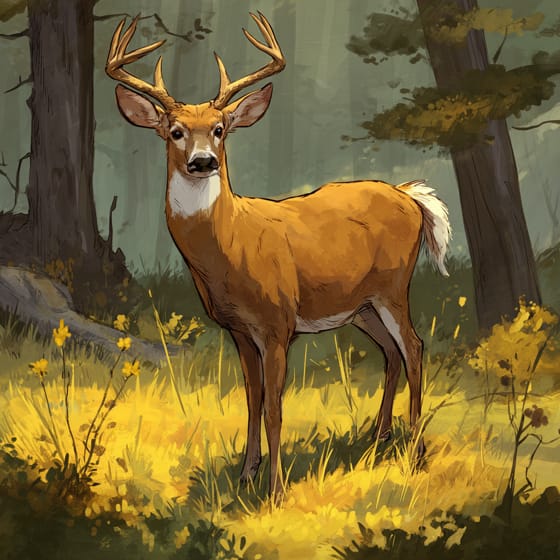
Odocoileus virginianus
Browses on leaves and stems.
Flowering plants are any plants that produce flowers as part of their reproductive cycle.
Describes organisms capable of converting atmospheric nitrogen into compounds usable by plants.
Biennial plants complete their life cycle over two growing seasons, typically forming foliage in the first year and flowering/seeding in the second.
Fragrant flowers emit a pleasant aroma, often to attract pollinators or for defense.

This human use trait describes species cultivated or domesticated by humans for agricultural purposes, including crops and livestock.

Edible plants are those parts of a plant that are considered safe for human consumption.

Grassland habitats are terrestrial biomes dominated by grasses and herbaceous plants, supporting a variety of grazing animals.

Describes plants that are particularly attractive and beneficial to a wide range of pollinating organisms.
No aliases listed yet.
Danger
1/5 · Very low
Always look but don't touch plants unless you know they are safe.
The easiest way to identify White Sweetclover is to use the Snappit nature identifier app.
50-250 cm
30-100 cm
0.3-0.5 cm
Summer to fall
Yes
Mild
Biennial
Zoom in to split clusters and explore where this object has been snapped.
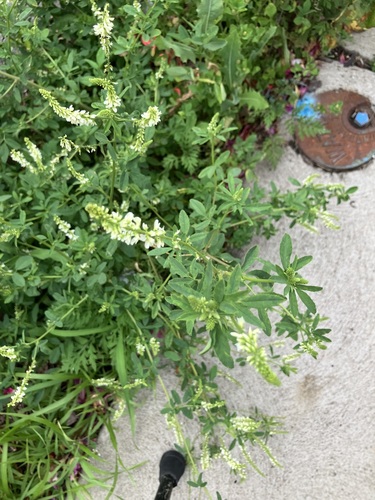
Jun 6, 2026
Phipps Conservatory and Botanical GardensPhoto attribution
(c) toad-wife, some rights reserved (CC BY)
License: CC BY 4.0 ↗
Image may be shown cropped inside the card frame.
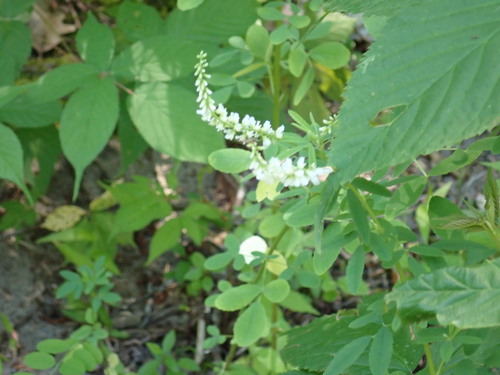
Jul 4, 2025
Chesterfield GorgePhoto attribution
no rights reserved
License: CC0 1.0 ↗
Image may be shown cropped inside the card frame.
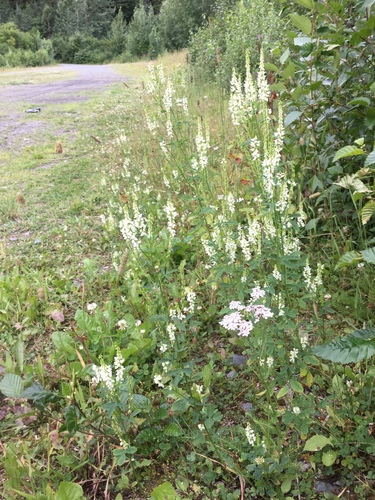
Jul 27, 2018
SunrisePhoto attribution
(c) Matt Bowser, some rights reserved (CC BY)
License: CC BY 4.0 ↗
Image may be shown cropped inside the card frame.

Texas, US
You might spot Anole, Monarch, and Pinkladies.
View guide →

Massachusetts, US
You might spot Mountain Laurel, Azure Bluet, and Partridgeberry.
View guide →

Alaska, US
You might spot Cliff Swallow, Pretty Jacob's-Ladder, and Dwarf Fireweed.
View guide →

Pennsylvania, US
You might spot Spotted Lanternfly, Duck, and Asian Lady Beetle.
View guide →

Maryland, US
You might spot Duck, Red-Winged Blackbird, and American Bullfrog.
View guide →

Alaska, US
You might spot Beluga, North American Porcupine, and Meadow Buttercup.
View guide →
Take the discovery with you
Snap it with Snappit to identify it, learn what makes it special, and add the discovery to your collection.








.jpg&width=800)


_001.jpg&width=800)



