





seductive entodon moss
Entodon seductrix
Seductive entodon moss is a soft, green plant that loves to grow in shady, damp places. It creates a cozy carpet on the ground, making it a perfect home for tiny creatures.
Habitat: Forests
The seductive entodon moss has a strikingly flattened, mat-forming growth, shimmering with a golden-green to bronze hue. Its compact, glossy appearance often makes it stand out on decaying wood or rocks.
Category
PlantsRarity
Common
Danger
1/5 · Very low
Snaps
2
Instead of true roots, it has tiny threads called rhizoids to anchor itself.
It can live for many years, slowly growing and spreading across its chosen surface.
Seductive entodon moss breathes through simple pores, not complex leaves like other plants.
This tiny plant is super ancient, existing long before dinosaurs roamed the Earth!
Seductive entodon moss can absorb and hold many times its weight in water, helping it survive dry periods.
It can completely dry out and appear lifeless, then 'wake up' and rehydrate when moisture returns, continuing to grow.
This moss has specialized structures called rhizoids that help it cling tightly to rocks, tree bark, and logs, even on steep surfaces.
Narceus americanus
Creates damp, dark microhabitats for these detritivores.
Formica subsericea
Provides moist, secluded areas for nesting or foraging.
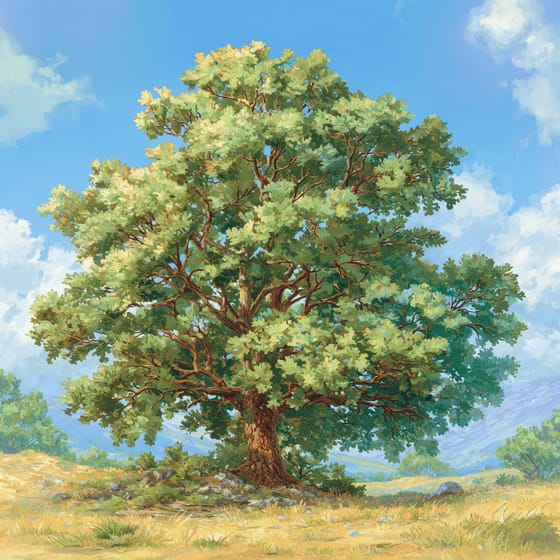
Quercus alba
Often grows on its bark or at the base of its trunk.
This trait characterizes plants lacking specialized vascular tissues (xylem and phloem) for transporting water and nutrients.
Shade tolerant plants are adapted to grow and thrive in areas with low light levels, requiring less direct sunlight.
Spore-producing organisms reproduce by releasing small, often single-celled, reproductive units called spores.
Describes organisms that break down dead organic material, recycling nutrients back into the ecosystem.

Forest habitats are terrestrial environments dominated by dense tree cover, supporting a high diversity of plant and animal life.
No aliases listed yet.
Danger
1/5 · Very low
It's safe to touch, but be gentle with plants and don't pull them out.
The easiest way to identify seductive entodon moss is to use the Snappit nature identifier app.
1-3 cm
5-20 cm
No
None
Perennial
Wind
Forests
Zoom in to split clusters and explore where this object has been snapped.
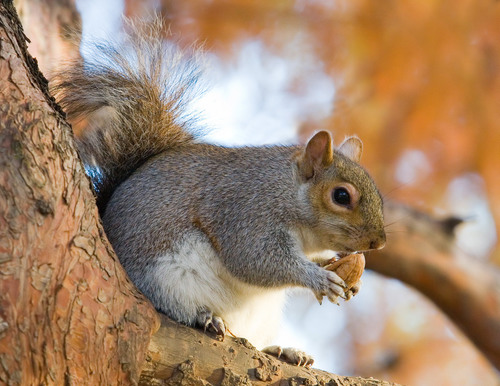
Georgia, US
You might spot Eastern Gray Squirrel, Domestic Cat, and American Robin.
View guide →

Georgia, US
You might spot Eastern Gray Squirrel, Domestic Cat, and Anole.
View guide →
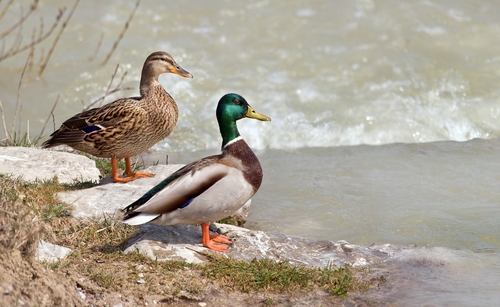
New York, US
You might spot Duck, Water Caltrop, and Spotted Lanternfly.
View guide →
Take the discovery with you
Snap it with Snappit to identify it, learn what makes it special, and add the discovery to your collection.








.jpg&width=800)



_001.jpg&width=800)



