





White-tailed Antelope Squirrel
Ammospermophilus leucurus
The White-tailed Antelope Squirrel is a small, lively creature with a fluffy white tail. They love to scurry around in the desert, finding food and playing with friends.
Habitat: Desert
The White-tailed Antelope Squirrel has a grayish-brown back with a distinctive white stripe along each side of its body, and a white belly. Its bushy tail is pure white underneath and is often held curled over its back.
Category
MammalsRarity
Common
Danger
1/5 · Very low
Snaps
6
These tough little squirrels can safely eat scorpions, even their venomous stingers!
They flash their bright white tail as a signal to warn other squirrels of danger!
They hold their white tail like a tiny umbrella over their back when running!
This desert squirrel is active all year, never hibernating like many other squirrels!
White-tailed Antelope Squirrel can quickly release body heat by shunting blood to its large white tail, which acts like a radiator.
White-tailed Antelope Squirrel can withstand high body temperatures up to 43°C (109°F), enduring extreme desert heat without overheating.
White-tailed Antelope Squirrel has a distinct white stripe that blurs when running, confusing predators about its exact location.
An omnivore with a varied diet, munching on seeds, fruits, insects, and even tough desert critters.
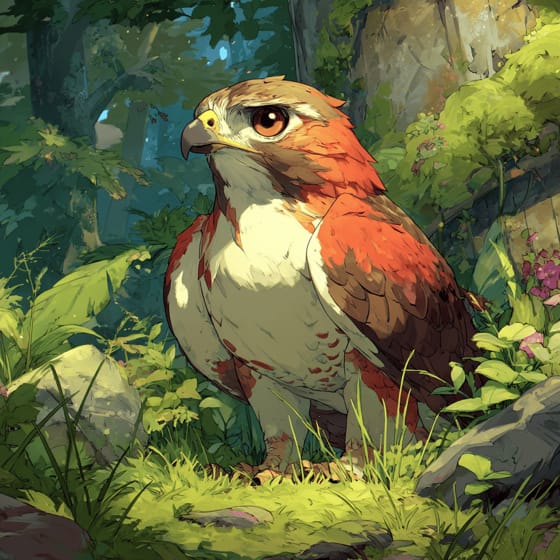
Buteo jamaicensis
A common avian predator in their desert habitat.
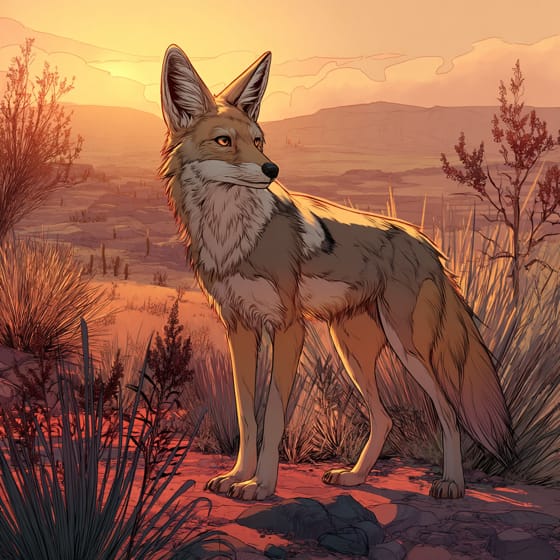
Canis latrans
An opportunistic predator in the desert ecosystem.
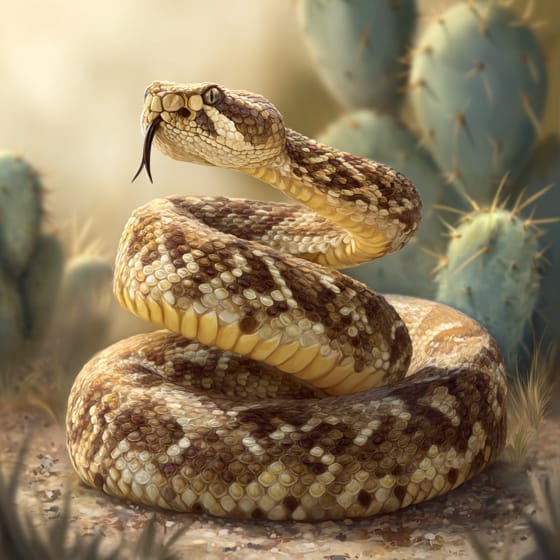
Crotalus atrox
Known to prey on these squirrels and their young.

Larrea tridentata
Consumes seeds and green parts of this resilient desert plant.
Furry describes animals possessing a dense covering of soft hair or fur.
Social animals live in organized groups, cooperating for survival benefits such as foraging, defense, and raising offspring.
Burrowing animals dig tunnels and chambers in the ground, using these subterranean structures for shelter, hunting, or breeding.
This trait characterizes organisms whose diet consists entirely or primarily of plant material.

Desert habitats are arid regions characterized by extremely low precipitation and often extreme temperatures, supporting specialized flora and fauna.

Diurnal animals are primarily active during daylight hours, typically resting or sleeping at night.

This trait identifies organisms that exhibit exceptional swiftness in movement for hunting, escape, or travel.
No aliases listed yet.
Danger
1/5 · Very low
Watch from a distance and don't try to touch or catch them, as they are wild animals.
The easiest way to identify White-tailed Antelope Squirrel is to use the Snappit nature identifier app.
20-25 cm
0.08-0.14 kg
2-5 years
20 km/h
An omnivore with a varied diet, munching on seeds, fruits, insects, and even tough desert critters.
Desert
Foraging
Zoom in to split clusters and explore where this object has been snapped.

Nevada, US
You might spot Engelmann's Hedgehog Cactus.
View guide →

New Mexico, US
You might spot Common Side-Blotched Lizard and Kingcup Cactus.
View guide →

Nevada, US
You might spot Creosote Bush, Brittlebush, and Beavertail Pricklypear.
View guide →

California, US
You might spot Western Joshua Tree and Engelmann's Hedgehog Cactus.
View guide →

Nevada, US
You might spot Duck, Redhead, and Great-Tailed Grackle.
View guide →

Arizona, US
You might spot Common Raven, Plateau Fence Lizard, and Fourwing Saltbush.
View guide →
Take the discovery with you
Snap it with Snappit to identify it, learn what makes it special, and add the discovery to your collection.




.jpg&width=800)


.JPG&width=800)

.jpg&width=800)
