




Monarch Butterfly

Capitol Park Historic District offers a journey through Detroit's storied past and dynamic present.
Capitol Park Historic District offers a journey through Detroit's storied past and dynamic present. This iconic triangular urban space, once the site of Michigan's first capitol building, now anchors a revitalized downtown neighborhood, blending historic architecture with contemporary urban life. It's a place where every corner tells a story, from significant moments in state history to its crucial role in the Underground Railroad, all amidst a backdrop of beautifully preserved and redeveloped early 20th-century buildings.
The district's central park features the striking Stevens T. Mason Monument, honoring Michigan's "Boy Governor," and a historical marker commemorating Finney's Barn, a pivotal site for the Underground Railroad. Surrounding the park, an impressive collection of buildings showcases diverse architectural styles, including the Art Deco grandeur of the David Stott Building, the Beaux-Arts elegance of the Farwell Building, and the Romanesque Revival details of the Griswold Building, designed by the renowned Albert Kahn. Recent renovations have enhanced the green spaces, making it a lush oasis in the heart of the city, complemented by public art installations like "The Stories of Us" which add a contemporary cultural layer.
Visiting Capitol Park Historic District is an immersion into Detroit's resilience and rebirth, offering a unique blend of historical reflection, architectural appreciation, and modern urban charm. With its walkable layout, diverse dining options, and frequent community events, it provides a memorable experience for anyone eager to explore the soul of Detroit, proving that this district is not just a landmark, but a vibrant, living testament to the city's enduring spirit. Explore the grounds like a pro—download the Snappit app to instantly identify animals and plants.
Capitol Park's history dates back to 1823 when a courthouse was constructed on the triangular plot, which later became Michigan's first state capitol building in 1837. After the state capital moved to Lansing in 1847, the building served as a public high school until it was destroyed by fire in 1893. The land was then transformed into a public park, a role it has largely maintained ever since, despite a period in the mid-20th century when it functioned as a major transit hub. Beyond its governmental significance, Capitol Park holds a profound connection to the Underground Railroad. In 1850, Seymour Finney operated a tavern and barn nearby, using the barn to hide enslaved people escaping to freedom in Canada, a legacy honored by a historical marker in the park. The district's surrounding buildings, primarily constructed in the early 20th century by notable architects like Albert Kahn and Gordon W. Lloyd, reflect Detroit's rapid growth and architectural evolution from a commercial center to a modern metropolis. Recent revitalization efforts, including significant renovations completed in 2022, have further cemented Capitol Park's status as a key cultural and economic anchor in downtown Detroit.
Stroll through the expanded green spaces, admire the diverse architectural styles of the surrounding buildings, read the historical markers, and capture photographs. Enjoy a meal or coffee at one of the many cafes and restaurants that now animate the district. Check the Downtown Detroit Partnership's schedule for potential events in the park.
Spring: Pleasant for walking, with budding trees and flowers.
Summer: Expect warm temperatures, occasional humidity, and a lively atmosphere with potential outdoor events and festivals.
Fall: Crisp air, vibrant fall colors, and comfortable walking conditions.
Winter: Cold and snowy, but the area can be festive during the holiday season.
The park features newly expanded green spaces, landscaping, updated lighting, and paved pathways, making it generally accessible for visitors. Public spaces in Detroit are often designed with accessibility in mind.
A statue of Michigan's first governor, whose remains are interred here.
Marks the site's role as a crucial Underground Railroad stop.
An impressive 38-story Art Deco skyscraper.
Known for its Beaux-Arts classicism.
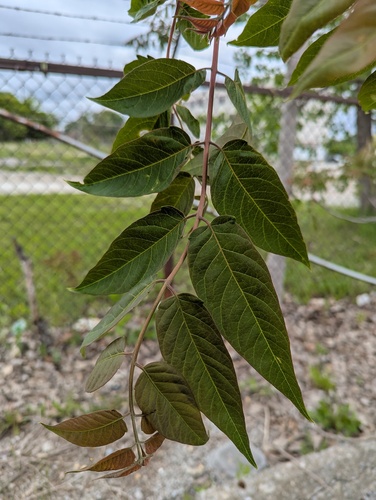
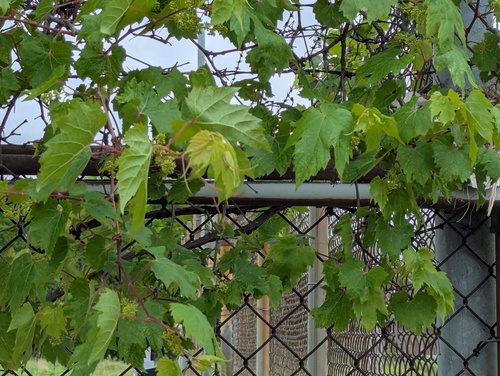
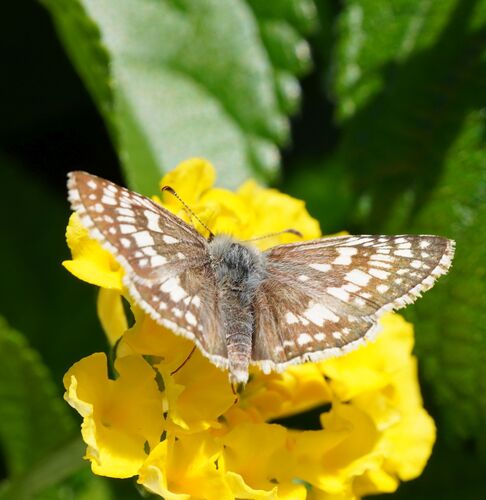
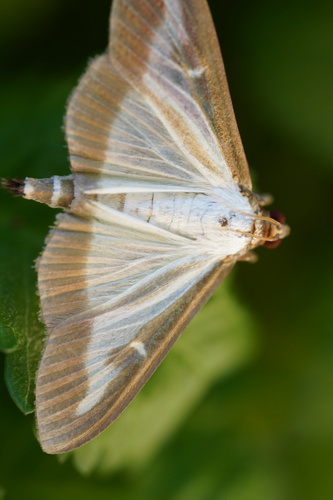
Each card links to a full Explore page with photos, traits, and fun facts.
















































Start with the big picture, then zoom in to explore individual wildlife observations around this place.
Wear comfortable walking shoes to explore the park and surrounding blocks.
Bring a camera to capture the stunning historical architecture and public art.
Explore the numerous restaurants and cafes located around Capitol Park for a diverse culinary experience.
Check local event listings for concerts, markets, or other community activities that often take place in the park.
Take advantage of the free Wi-Fi available within Capitol Park.
Consider using Detroit's public transport or ride-sharing services, as parking in downtown areas can sometimes be challenging.
May 20, 2026
Photo attribution
(c) Brad McLeod, some rights reserved (CC BY)
License: CC BY 4.0 ↗
Image may be shown cropped inside the card frame.
May 20, 2026
Photo attribution
(c) Brad McLeod, some rights reserved (CC BY)
License: CC BY 4.0 ↗
Image may be shown cropped inside the card frame.
Aug 22, 2025
Photo attribution
no rights reserved
License: CC0 1.0 ↗
Image may be shown cropped inside the card frame.
Aug 22, 2025
Photo attribution
no rights reserved
License: CC0 1.0 ↗
Image may be shown cropped inside the card frame.
Jun 20, 2026

Maryland, US
You might spot White-Tailed Deer and Eastern Gray Squirrel.
View guide →
.jpg)
District of Columbia, US
You might spot Eastern Gray Squirrel, Duck, and House Sparrow.
View guide →

Illinois, US
You might spot American Robin, Canada Goose, and House Sparrow.
View guide →

Virginia, US
You might spot Spotted Lanternfly and Northern Cardinal.
View guide →
Take the discovery with you
Identify the wildlife you spot, learn as you go, and keep a collection of the adventure.