





wild teasel
Dipsacus fullonum
Wild teasel is a tall plant with spiky flowers that look like little purple brushes. It grows in fields and along roadsides, and it helps attract butterflies and bees!
Habitat: Grasslands
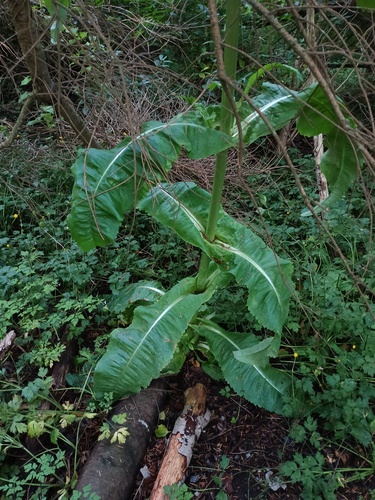
The wild teasel is a tall, spiky plant with a distinctive, conical flower head. It has small, purple-pink flowers that bloom in a unique band around the middle of the head, moving up and down. Its robust stems and leaves are covered in sharp prickles, and its dried seed heads remain upright through winter.
Category
PlantsRarity
Common
Danger
1/5 · Very low
Snaps
7
Goldfinches love to pluck seeds from its prickly, tall stalks.
Its spiky dried heads were once used to fluff up wool!
Rainwater pools in its leaves, sometimes trapping insects like a tiny pond!
The flowers bloom in a cool band, starting in the middle and spreading up and down!
Wild teasel has prickly stems and leaves that protect it from hungry animals wanting a snack.
Wild teasel can collect rainwater in its unique leaf bases, creating tiny pools that can trap insects or provide drinks for small creatures.
Wild teasel's tough, spiky seed heads persist through winter, providing a vital food source for birds when other food is scarce.
Apis mellifera
Gathers nectar and pollen
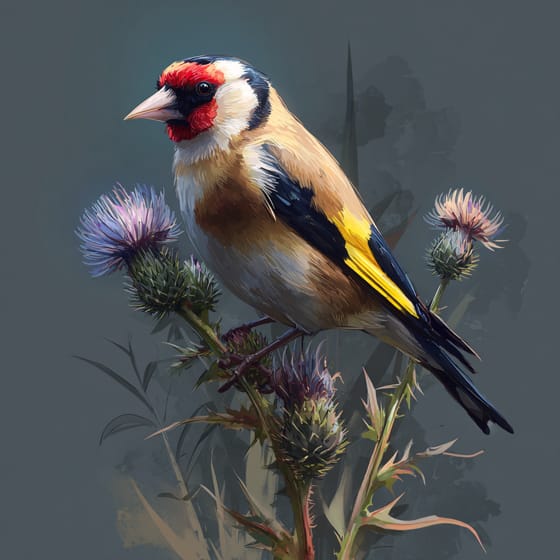
Carduelis carduelis
Feeds on seeds from heads
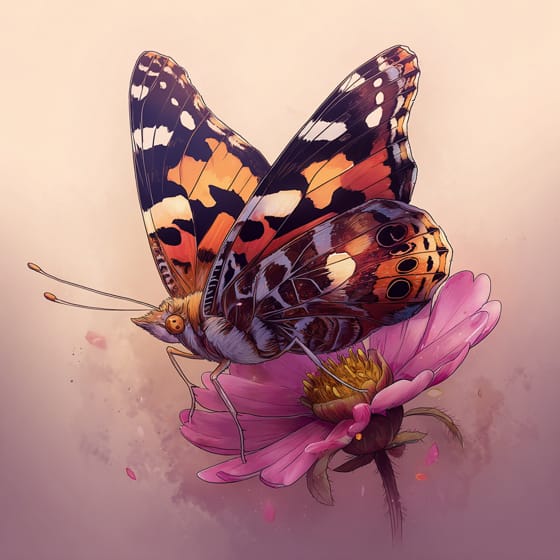
Vanessa cardui
Sips nectar from flowers

Helix aspersa
Consumes young leaves
Flowering plants are any plants that produce flowers as part of their reproductive cycle.
Biennial plants complete their life cycle over two growing seasons, typically forming foliage in the first year and flowering/seeding in the second.
Summer blooming plants produce their flowers during the summer season, often providing vibrant color when many other plants have finished.
Grassland habitats are terrestrial biomes dominated by grasses and herbaceous plants, supporting a variety of grazing animals.

Describes plants that are particularly attractive and beneficial to a wide range of pollinating organisms.

Possessing sharp, pointed projections or spines on the body or surface.

Describes organisms that transfer pollen, enabling the fertilization and reproduction of plants.
No aliases listed yet.
Danger
1/5 · Very low
Be careful around the spiky parts of the plant, and always ask an adult before touching new plants.
The easiest way to identify wild teasel is to use the Snappit nature identifier app.
100-250 cm
30-60 cm
0.5-1 cm
Summer
No
None
Biennial
Zoom in to split clusters and explore where this object has been snapped.
Jun 22, 2025
FairhavenPhoto attribution
(c) Seb H, some rights reserved (CC BY)
License: CC BY 4.0 ↗
Image may be shown cropped inside the card frame.

Oregon, US
You might spot Oregon Oak, Pacific Poison Oak, and American Bullfrog.
View guide →

Washington, US
You might spot Bigleaf Maple, Mule Deer, and Oregon Grape.
View guide →

Ohio, US
You might spot Brown-Belted Bumble Bee and Eastern Carpenter Bee.
View guide →

Ohio, US
You might spot Spotted Lanternfly, Virginia Springbeauty, and Blue Phlox.
View guide →

California, US
You might spot Pacific Banana Slug and Ensatina.
View guide →

Pennsylvania, US
You might spot Duck, Staghorn Sumac, and American Robin.
View guide →
Take the discovery with you
Snap it with Snappit to identify it, learn what makes it special, and add the discovery to your collection.








.jpg&width=800)



_001.jpg&width=800)




